
Kermanshah Is No Longer Just a Stage for Protests but a Symbol of Resistance Against Oppression
Protests across Kermanshah and Abdanan in East Kurdistan have entered their second week, with demonstrators continuing to control certain streets and manage parts of the city despite severe repression and the heavy presence of Iranian security forces.
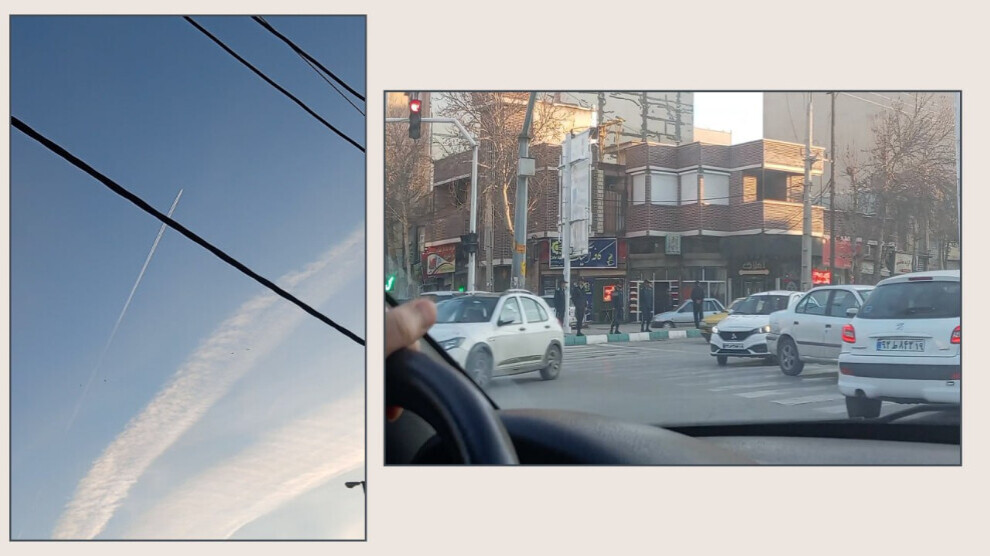
Kermanshah — More than a week has passed since protests began in Kermanshah, East Kurdistan. Despite violent and harsh crackdowns by Iranian forces, protesters remain defiant. From the first days, a large number of Kermanshah residents were injured or arrested, and reports indicate casualties among demonstrators.
Meanwhile, the presence of security forces in Kermanshah and surrounding provinces has noticeably increased. Unlike previous protests, there is now a popular movement across most Kermanshah provinces, including Sahneh, Bistun, Sonqor, Harsin, Sarpol Zahab, Eslamabad, Daleh, Mahidasht, Abdanan, and other areas.
In a massive nationwide march by the people of Abdanan held on Tuesday, January 6, protesters managed to take control of the city administration.
As the protests expanded, the Iranian regime took even stricter measures in the province. Repressive tools were prepared not only to instill fear but also to directly kill people. In this context, the regime sought to display its power and authority through military maneuvers and missile launches.
Observers say these measures stem from fear of potential moves by opposition groups that might take actions to support Kermanshah residents within the province.
According to reliable reports, authorities are using a mix of intimidation and occasional appeasement—sometimes through repression, sometimes by promising special food parcels. A source familiar with the matter, holding the rank of lieutenant in the Kermanshah army, told our agency that the battalion commander, in addition to offering special food, warned soldiers against supporting protests via online networks, stating that such activities would be closely monitored and that the slightest mistake could lead to the reprimand and punishment of the entire battalion.
The source added that orders were issued stating that if any security personnel express support for recent protests online, the rest of the forces must report them to the authorities. These threats reflect the regime’s concern about some of its forces joining the protesters.
However, since the army commits killings to maintain the regime’s power in Kermanshah province, it cannot in any way be considered a reliable ally of the people.
Under these circumstances, our correspondent in Kermanshah reports that the situation remains extremely tense. Despite threats and a heavy security presence, people continue to raise their voices through various forms of civil and popular resistance. Graffiti, scattered gatherings, and commercial strikes across different neighborhoods demonstrate that the collective will to continue the struggle has not weakened.
At the same time, Iranian authorities are trying to impose their official narrative on society by cutting or disrupting the internet and restricting the free flow of information. Nevertheless, images and reports published by the people from inside the city reveal the reality of repression and resistance, preventing full concealment of the truth.
Under these conditions, the gap between the people and the regime’s forces widens day by day. Trust in official institutions has sharply declined, and many citizens see the only path to change as standing united against oppression. This situation demonstrates that Kermanshah and Abdanan are no longer merely stages for local protests but have become symbols of widespread resistance against tyranny.