
A Young Woman Revives Asmahan's Legacy from the Heart of As-Sweida
Young Razan Al-Jaghami connects scientific studies with musical passion, drawing inspiration from Asmahan's legacy and unique vocal timbre, representing a promising generational extension reviving authentic tarab and the beautiful bygone era.
ROCHELLE JUNIOR
AS-SWIEDA – The Syrian city of As-Sweida has been associated with a rich heritage in singing and music, and has presented prominent names to the artistic scene, from Asmahan and Farid Al-Atrash to Fahd Ballan and Daoud Radwan, alongside other voices that left their mark on the lyrical memory. In extension of this legacy, young talents in the city continue to carve their artistic path, inspired by authentic tarab, in experiences that combine study and music, and maintain the connection of new generations to their artistic heritage.
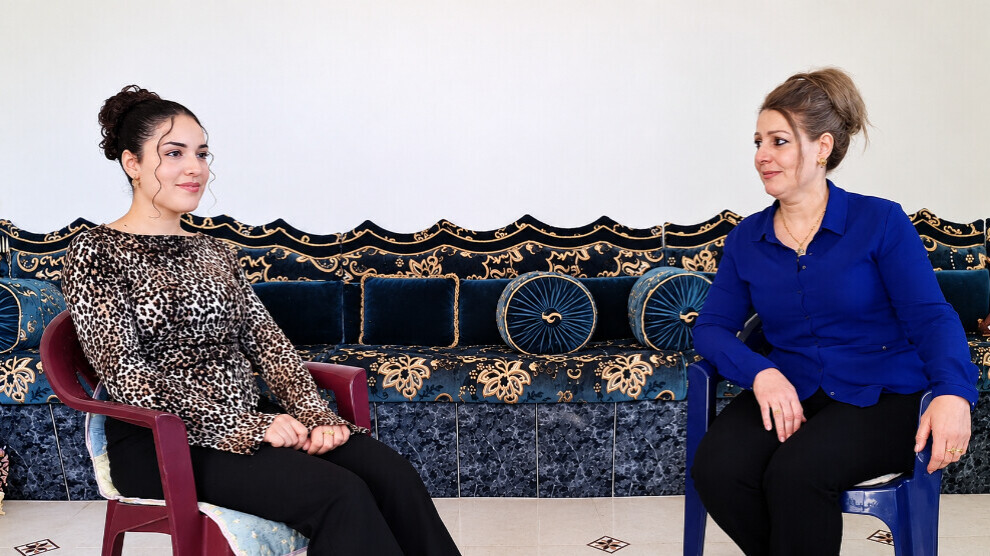
From Asmahan's house in As-swieda, which remains a witness to part of her history, the story extends to a contemporary artistic family comprising four children who combine academic achievement with singing and playing instruments. Among them stands out Razan Al-Jaghami, a scientific baccalaureate student whose voice draws attention, and many liken it to Asmahan's voice.
A Family Combining Science and Art
Kunouz Al-Halabi is a retired English language teacher. Alongside her professional career, art accompanied her family life, as her four children grew up in an environment that loved music and singing, and found encouragement to develop their talents in parallel with their studies.
Kunouz Al-Halabi says that her eldest daughter plays the organ alongside her studies, while her other daughter, who graduated from the Faculty of Tourism, combines singing with playing percussion and violin. As for her son, a sixth-year student at the Faculty of Human Medicine, he is a professional oud player and possesses a distinctive voice, while Razan continues her scientific baccalaureate studies, alongside singing and playing the violin.
She confirms that her children were keen to reconcile study and art, and that their interest in music was not at the expense of their academic achievement. Rather, they were able to combine the two fields, with the support of the family and its interest in their talents since childhood. She explained that musical talent was also present in her life, as she loves singing and participates in family and social occasions, which contributed to providing an artistic environment for her children that encouraged them to discover their inclinations and develop them.
She notes that her children showed their talents at an early age, so the family was keen to guide them toward appropriate musical instruments, and encourage them to train and participate in artistic activities, noting the importance of specialized training in refining talent and developing vocal and musical capabilities.
She adds that training allowed her children to learn about multiple musical colors, including Andalusian muwashshahat, alongside listening to the experiences of great singers such as Sabah Fakhri, Fairuz, and other pioneers of Arab tarab, which helped them expand their musical knowledge and not limit themselves to one lyrical color.
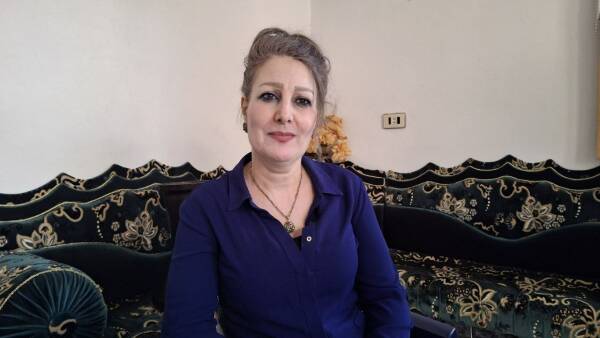
Kunouz Al-Halabi recalls one of the early stations in her daughter Razan's experience, when she was five years old, during a concert at the theater of the Cultural Center, where she asked to go up on stage and sing with the band. She says that Razan sang a Fairouz song without prior training for the segment, and showed remarkable boldness despite her young age.
A Voice Inspired by Authentic Tarab
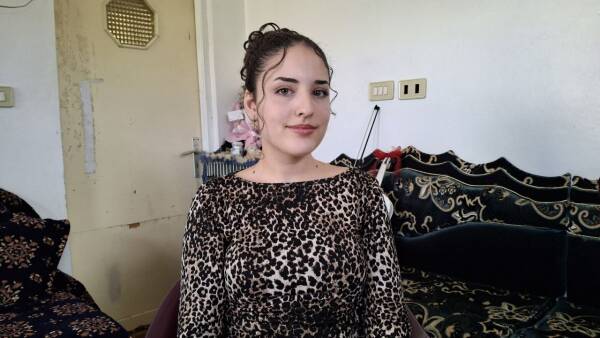
Razan Al-Jaghami began her journey with singing since childhood, influenced by children's songs and cartoon intros, before moving to authentic tarab songs, then to heritage ones. Razan Al-Jaghami says that she began attempting to perform Fairouz's songs at the age of six, benefiting from being in an artistic family and from the encouragement of her siblings who helped her develop her talent and grow her vocal capabilities. She explained that her interest in singing was not limited to one color, as she performed songs from local heritage, alongside songs of the beautiful bygone era and authentic tarab, which she believes allow the singer to show the capabilities of their voice and its registers.
She notes that many of those who listened to her voice noticed the presence of a timbre similar to Asmahan's voice, which pushed her to intensify training and work on developing her performance. She confirms that she does not seek to directly imitate Asmahan, but loves to perform her songs in her own style, in a way that suits her vocal range and registers, while preserving the spirit and authenticity of the song.
She adds that listening to Asmahan's works and authentic tarab songs constitutes a motive for her to continue training, and to work on developing her voice in a way that helps her present a performance carrying her own artistic personality.
From Family Singing to the Tala Choir
Razan Al-Jaghami's experience was not limited to singing within the family circle, as she joined about a year and a half ago the Tala Choir team. She explained that her participation in one of the live programs via the "Side by Side" platform allowed followers from different regions to learn about her voice, after she performed a musical segment within the choir, alongside solo singing.
During that participation, her voice drew the attention of a number of followers, who contacted to inquire about her, noting the similarity they felt between her vocal timbre and Asmahan's voice.
She notes that her experience with the choir added to her singing experience and encouraged her to continue training, while she currently continues her scientific baccalaureate studies, alongside playing the violin and practicing other hobbies, including drawing and writing reflections.
In her message to girls who possess artistic talents, Razan Al-Jaghami calls for not neglecting these talents, and working on developing them through training and practice, confirming women's ability to reconcile study, talent, and other responsibilities.