
Women of Tirbespiye create their economic independence with their own hands
In an experience combining economic empowerment and solidarity, six women in Tirbespiye, Rojava, manage a paper cup factory, affirming work and financial independence fundamentally enhance women's status and confront violence.
SORKIL SHEIKHO
TIRBESPIYE_Women’s economic participation is a fundamental pillar for achieving their independence and enhancing their status in society, especially amid economic crises and social challenges that limit their opportunities.
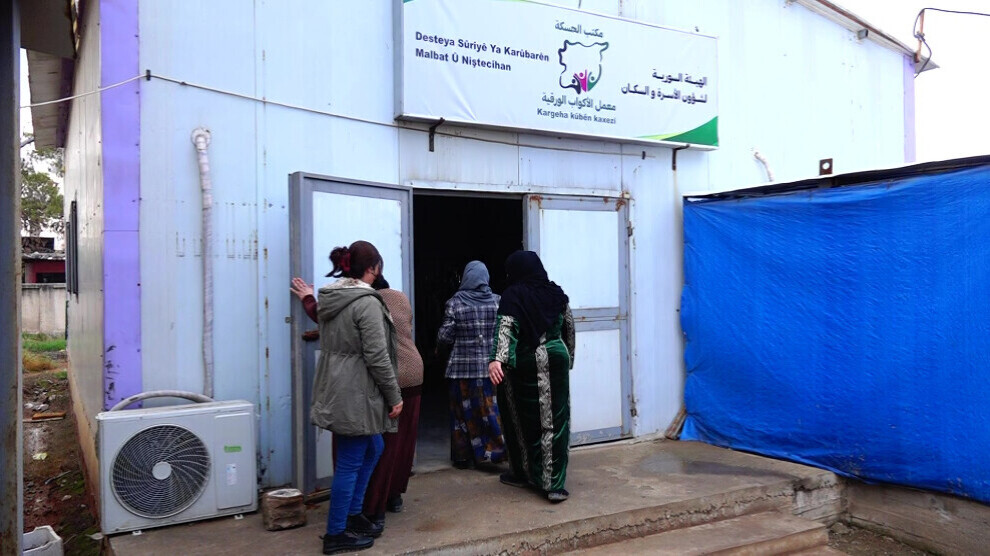
In a step toward empowering women and enhancing their economic independence, the Family and Population Affairs Authority in the Syrian Administration opened, during October of this year, a factory for producing paper cups in the city of Tirbespiye in Rojava, to be its first project at the region level.
The factory is managed by six women, including a director and five workers, and aims to support local production, provide job opportunities for women, and secure an independent source of income for them amid the economic crisis the country is witnessing, in addition to reducing dependence on imported products.
The factory produces about six thousand cups daily, including coffee cups with a capacity of 2.5 ounces and tea cups with a capacity of 6 ounces. However, power outages limit working hours, affecting production volume.
The importance of the project is not limited to providing job opportunities but also constitutes a space for solidarity and cooperation among women, who seek through it to break social restrictions, enhance their economic and social presence, and entrench their ability to achieve independence and build a stronger and more cohesive women's community.
Five workers produce 6,000 cups daily
Worker Sara Musa says that they come every morning, open the doors of their factory, start the machines, and then begin making cups. "We produce 6,000 cups daily. Although our factory is newly established, we have already begun producing cups and distributing them in local markets. Our factory is based on women's efforts and management."
Economic independence amid the crisis
For her part, Aida Al-Ali was working in a tannour bakery before joining the factory, where she found a new opportunity to work and achieve financial independence. About her experience, she says: "We work here on producing beverage cups using automatic machines. Aside from being workers, we form a solidarity family, sharing work and meaningful moments. We now have our own income and our families', and our self-confidence has increased compared to before."
She affirms that work and independent income constitute a means to confront the repercussions of the economic crisis. "Without the struggle against the economic crisis, our families and children would not have been able to live a dignified life. After obtaining my own income, I began cooperating with my husband in meeting my family's needs. I feel freedom and self-confidence here, and that I am capable of offering something to myself and those around me. My work also encourages other women, and I in turn urge them to work."
Breaking the prevailing mentality
Regarding the social restrictions she faced, she explained that she was treated as weak and incapable of work, but she was able to change this view. "I am not weak, and I can do various jobs, from agriculture to working in factories. This work is better for me because it gives me an opportunity to organize my time. They used to tell me that my place was the home, and they did not trust my capabilities, but the situation has changed now."
Aida Al-Ali believes that women in European countries enjoy legal protection and better opportunities, stressing the need to develop women's reality in her country, especially in education and the labor market. "The family should be built on science and knowledge, but women still face discrimination and deprivation of the right to make decisions about their education and work. Our generations were deprived of education, while other women were able to reach the highest academic ranks."
Struggle against ignorance and economic violence
Aida Al-Ali concluded her talk by saying: "Every woman has a dream, but economic and social conditions destroy our ambitions. A husband should view his wife as an equal partner, and girls should obtain their right to education and higher degrees. Women and society should confront ignorance and the enforced ignorance of girls, continue the struggle against violence, and expand their efforts to confront economic violence and achieve their independence."
independence and enhancing their status in society, especially amid economic crises and social challenges that limit their opportunities.
In a step toward empowering women and enhancing their economic independence, the Family and Population Affairs Authority in the Syrian Administration opened, during October of this year, a factory for producing paper cups in the city of Tirbespiye in Rojava, to be its first project at the region level.
The factory is managed by six women, including a director and five workers, and aims to support local production, provide job opportunities for women, and secure an independent source of income for them amid the economic crisis the country is witnessing, in addition to reducing dependence on imported products.
The factory produces about six thousand cups daily, including coffee cups with a capacity of 2.5 ounces and tea cups with a capacity of 6 ounces. However, power outages limit working hours, affecting production volume.
The importance of the project is not limited to providing job opportunities but also constitutes a space for solidarity and cooperation among women, who seek through it to break social restrictions, enhance their economic and social presence, and entrench their ability to achieve independence and build a stronger and more cohesive women's community.
Five workers produce 6,000 cups daily
Worker Sara Musa says that they come every morning, open the doors of their factory, start the machines, and then begin making cups. "We produce 6,000 cups daily. Although our factory is newly established, we have already begun producing cups and distributing them in local markets. Our factory is based on women's efforts and management."
Economic independence amid the crisis
For her part, Aida Al-Ali was working in a tannour bakery before joining the factory, where she found a new opportunity to work and achieve financial independence. About her experience, she says: "We work here on producing beverage cups using automatic machines. Aside from being workers, we form a solidarity family, sharing work and meaningful moments. We now have our own income and our families', and our self-confidence has increased compared to before."
She affirms that work and independent income constitute a means to confront the repercussions of the economic crisis. "Without the struggle against the economic crisis, our families and children would not have been able to live a dignified life. After obtaining my own income, I began cooperating with my husband in meeting my family's needs. I feel freedom and self-confidence here, and that I am capable of offering something to myself and those around me. My work also encourages other women, and I in turn urge them to work."
Breaking the prevailing mentality
Regarding the social restrictions she faced, she explained that she was treated as weak and incapable of work, but she was able to change this view. "I am not weak, and I can do various jobs, from agriculture to working in factories. This work is better for me because it gives me an opportunity to organize my time. They used to tell me that my place was the home, and they did not trust my capabilities, but the situation has changed now."
Aida Al-Ali believes that women in European countries enjoy legal protection and better opportunities, stressing the need to develop women's reality in her country, especially in education and the labor market. "The family should be built on science and knowledge, but women still face discrimination and deprivation of the right to make decisions about their education and work. Our generations were deprived of education, while other women were able to reach the highest academic ranks."
Struggle against ignorance and economic violence
Aida Al-Ali concluded her talk by saying: "Every woman has a dream, but economic and social conditions destroy our ambitions. A husband should view his wife as an equal partner, and girls should obtain their right to education and higher degrees. Women and society should confront ignorance and the enforced ignorance of girls, continue the struggle against violence, and expand their efforts to confront economic violence and achieve their independence."