
Worsening Malnutrition Crisis in Afghanistan as Number of Affected Children Rises
UN: is witnessing a new surge this year in the number of children suffering from acute malnutrition, with estimates indicating that nearly 200,000 additional children will be added to the list of those affected.
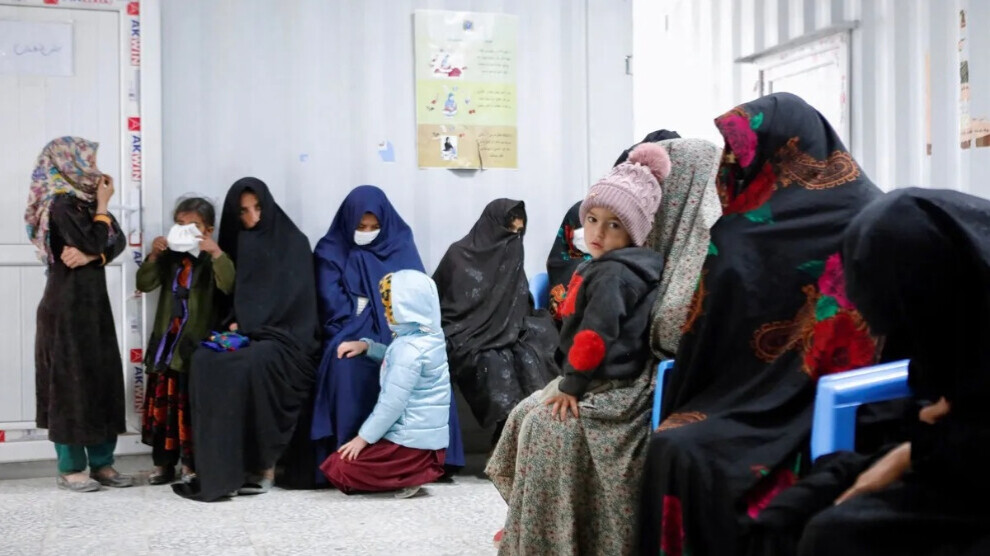
News Center_ The humanitarian crisis in Afghanistan has deepened in recent years to an unprecedented level, as economic collapse, declining international aid, and recurring natural disasters have pushed millions to the brink of hunger. Children remain the most severely affected group amid this deterioration.
On Tuesday, March 3, a UN official warned of a sharo rise in child malnutrition rates in Afghanistan, projecting an additional 200,000 cases of acute malnutrition among children this year. The worsening crisis is largely attributed to shrinking international assistance and deteriorating economic and security conditions.
The head of the World Food Programme(WFP) in Afghanistan stated that the country recorded last year its highest rate of acute child malnutrition on record. He noted that 3.7 million children will require urgent treatment this year. Furthermore, two-thirds of Afghanistan’s population suffer from acute malnutrition or face critical food insecurity, placing nearly 4 million children at risk.
He explained that reductions in international funding since 2021 — following the withdrawal of foreign forces and the takeover by the Taliban — have significantly limited the UN agency’s response capacity. Currently, resources are available to treat only one in four children in urgent need of care. Natural disasters, including earthquakes and floods, have further exacerbated the food crisis.
Tensions between Pakistan and Afghanistan have also escalated recently due to longstanding political and security disputes. Both countries have reinforced their military presence along the border and exchanged increasingly sharp diplomatic rhetoric, reflecting unresolved structural issues that have persisted for years.