
Worrying Conditions for Female Prisoners After Evin Prison Targeted by Missiles
Missile strike on Evin Prison worsens crisis in Iranian jails as conditions deteriorate, prompting urgent calls to protect prisoners' lives.
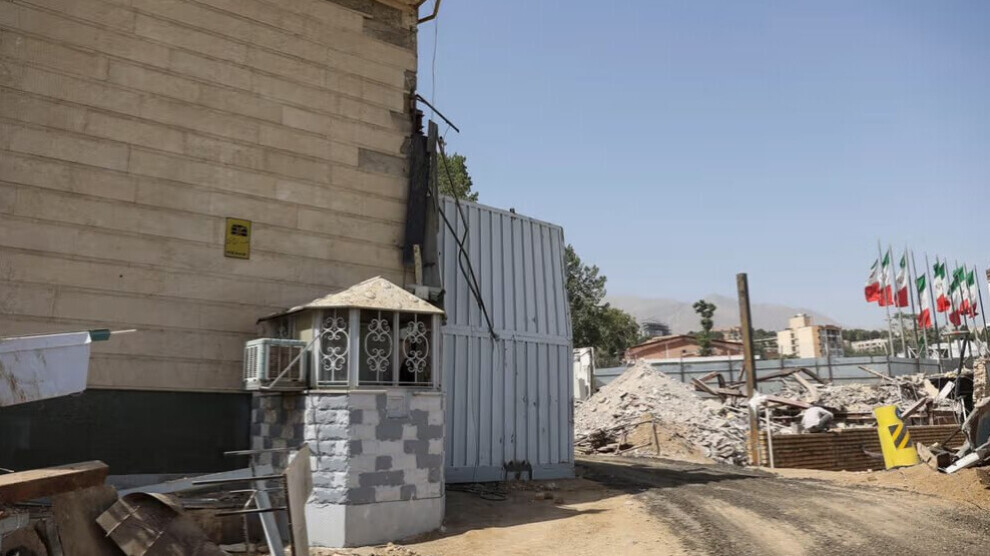
News Center — The joint Israeli-American attacks on Iran are continuing at an escalating pace, opening a new chapter of regional tension and increasing fears regarding the humanitarian and security repercussions inside the country. Several Iranian cities are witnessing a series of airstrikes targeting military and security sites, amid a widespread state of alert and the declaration of emergency in a number of institutions.
As the joint Israeli-American attacks against Iran continue, alarming reports have emerged regarding the conditions of prisons inside the country. According to published information, part of Evin Prison was targeted by a missile attack yesterday evening, Monday, March 2nd, raising serious concerns about the physical and psychological safety of prisoners.
Until now, no details have been announced about the condition of the detainees or the measures taken by the relevant authorities to save their lives. Meanwhile, reports prior to the attack indicated that Ward 209 had been evacuated and prisoners transferred to an unknown location.
With the start of the attacks on Iran, Evin Prison entered a state of extreme emergency, and normal daily activities inside the prison almost completely stopped. Published reports indicate that prisoners faced severe restrictions in obtaining food and basic necessities, amid the near-total absence of staff after officials locked the prison gates and left the premises.
The prison canteen, one of the few sources prisoners rely on to secure their daily needs, was also closed, exacerbating their suffering and leaving them facing harsh and unstable living conditions.
At the same time, reports from Urmia and a number of other prisons indicate that prisoners are left without any means of protection in the face of airstrikes, raising widespread concerns about their safety in the absence of emergency procedures or evacuation plans.
In the cities of Marivan, Urmia, Naqadeh, Salmas, and Kamyaran, hundreds of prisoners were temporarily released on bail, and prisoners for whom bail could not be provided were transferred to unknown locations. Reports also indicate that a number of political prisoners were transferred from Dastjerd Prison in Isfahan to an unknown location, without informing their families and lawyers.
Alarming reports also came from Qezel Hesar Prison, stating that prison guards locked the doors of a number of cells in Qezel Hesar Prison, preventing them from saving themselves in times of emergency and airstrikes.
Human rights activist and former political prisoner Atena Daemi called for the immediate release of political prisoners in Iran, affirming that they are the most vulnerable group under the current circumstances, stressing the necessity of releasing them without any conditions, given the multiplied risks they face in the context of the ongoing attacks.
She also demanded urgent action to protect prisoners convicted of common crimes, whether through conditional release, granting them emergency leave, or immediately transferring them to safe places, considering that their continued detention under war conditions endangers their lives and violates basic humanitarian standards.