
Amnesty International: Thousands Arrested and Facing Risk of Torture in Iran
Amnesty International warned thousands of Iranian protesters are detained, facing torture, sexual violence, unfair trials, lengthy prison sentences, and possible execution, amid human rights abuses.
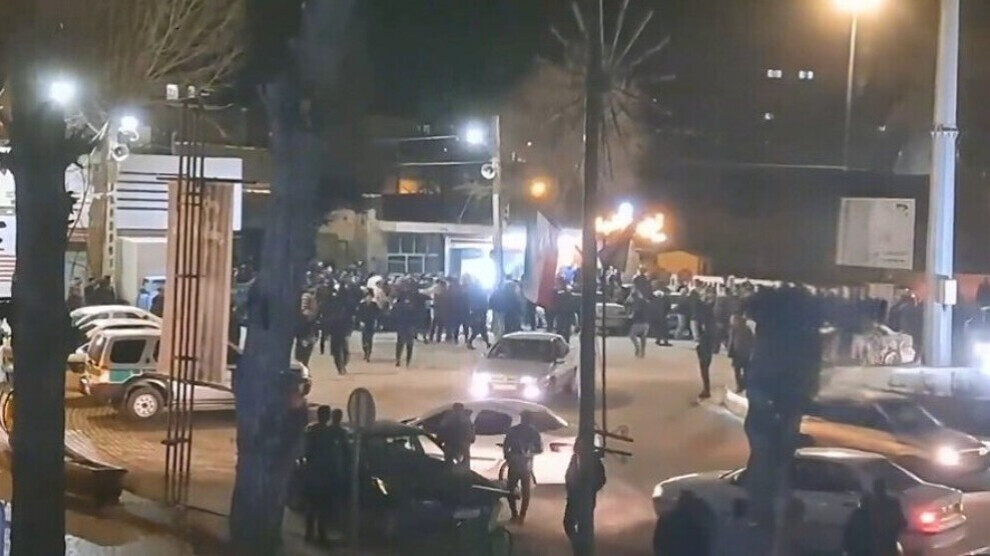
News Center — For years, Iran has witnessed repeated waves of protests, which demonstrators have faced with widespread violations by the authorities, including arbitrary arrests, on-the-ground repression, and restrictions on freedom of expression. This reflects an escalating human rights crisis and raises concerns over the absence of legal safeguards and the protection of fundamental freedoms.
In a statement issued yesterday, Friday, January 30, Amnesty International warned about the human rights situation in Iran and the fate of thousands of people arrested during the recent nationwide protests, including children. It noted that thousands of individuals arbitrarily detained in connection with the protests sweeping the country are at risk of torture and other forms of ill-treatment, including sexual violence, and unfair trials that result in long prison sentences and the death penalty.
The organization confirmed that many detainees continue to be subjected to enforced disappearance, pointing out that concerns regarding those detained over the protests have intensified following an order by the head of the judiciary instructing prosecutors to “act without leniency” and equating protests with serious crimes.
The statement explained that those arbitrarily detained across the country include protesters, human rights defenders, medical workers providing care to injured protesters, lawyers, members of ethnic and religious minorities, journalists, and university students. These detainees are being convicted and sentenced to lengthy prison terms or execution based on forced “confessions” extracted under torture or other forms of ill-treatment.
According to Amnesty International, families of detainees, activists, and journalists reported that authorities routinely refuse to provide any information about the fate or whereabouts of many detainees, exposing them to enforced disappearance, which constitutes a crime under international law.
The statement stressed that while some detainees have been transferred to prisons and other official detention facilities, others are being held in military barracks, warehouses, or other detention sites without official registration, exposing them to a heightened risk of torture and other forms of ill-treatment.
Amnesty International also documented cases of sexual assault against children. In one case documented by the organization, security forces raided the home of protester Amir Hossein Ghaderzadeh in the city of Rasht, Gilan Province, and subjected him and his two sisters to sexual violence, in a flagrant violation of the absolute prohibition of torture and other forms of ill-treatment. Security forces stripped the protester and his sisters—one of whom was 14 years old—of their clothes in front of everyone present to search their bodies for metal pellets to “prove” their participation in the protests.
The statement drew attention to documented cases of violence against injured protesters. Amnesty International has long documented how security forces routinely deny adequate medical care to injured protesters, including those transferred from hospitals, increasing the risk of unlawful deaths in custody.
It also highlighted pressure exerted on medical staff. According to an informed source in Iran, following the bloody crackdown on protests, security forces in Isfahan ordered hospital medical staff to report patients with gunshot or metal pellet wounds, which could indicate participation in protests.
The statement further confirmed, citing two sources, that security forces in the provinces of Isfahan and Chaharmahal and Bakhtiari arrested injured protesters from hospitals, including those in urgent need of medical care. According to one source, Iranian authorities also arbitrarily arrested medical personnel for providing medical care outside hospitals to injured protesters who refused hospital treatment for fear of arrest.