
The current strife is the result of political and social conditions that can be addressed through awareness
What is happening in terms of violations against both the living and the dead constitutes a direct threat to civil peace, the values of mutual respect, and the historic coexistence among societal components, particularly between Arabs and Kurds.
Asmaa Mohammad
Qamishlo – Areas controlled by jihadists of Hayat Tahrir al-Sham and mercenaries affiliated with the Turkish occupation are witnessing a wave of morally and religiously unacceptable violations. These include mutilation of corpses, desecration of graves, photographing the dead, and defaming them through various platforms.
Such violations strike at the core of human values and represent a blatant assault on religious principles as well as local and international laws, threatening societal stability and fueling hate speech and sectarian strife among communities.
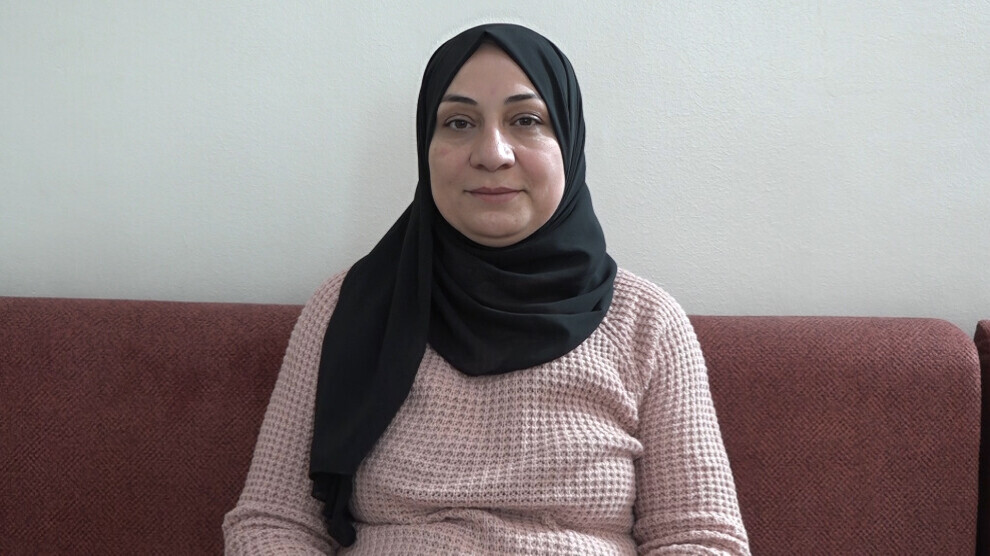
In this context, Dalal Khalil, an administrator in the Relations Office of the Council of Religions and Beliefs, stated that “the sanctity of the dead is among the highest human values, unanimously upheld by all heavenly religions and enshrined in laws and social norms. Any violation of these values—whether through mutilation of bodies, grave desecration, photographing the dead, or defamation—constitutes a direct attack on society as a whole and on human dignity, and a flagrant breach of religious and humanitarian ethics.”
She added, “Religious and moral values do not stop at the boundaries of sacred texts alone; they extend to a system of social conduct that ensures civil peace. From this perspective, any violation of these values is a clear breach of criminal law, which penalizes assaults on graves and corpses and emphasizes the protection of the deceased’s privacy, given the devastating impact such violations have on social norms and the human psyche.”
The importance of promoting awareness and rejecting violence and incitement
She stressed that the sanctity of the dead is not merely a religious or legal obligation, but a reflection of how much a person respects themselves and others, and a measure of societal progress and civility. “Institutions and society have a duty to promote public awareness of the importance of preserving the dignity of the dead and rejecting all forms of violence and incitement that target religious and moral values, especially in multi-component societies facing complex political and security challenges.”
Dalal Khalil pointed out that the current violations are being carried out by some youths from the Arab component who have joined radical groups supported by external actors, including the Turkish state, which seeks through such actions to instill a culture of violence and chaos and spread hate speech among Syrian communities.
She emphasized that such behavior completely contradicts the deep-rooted values of Arab society, which has long been known for upholding social ethics, respecting women and their status, and its ability to achieve social reform and resolve disputes. “Women have always been mediators of wisdom and voices that unite hearts and calm tensions. Today, these values are under threat by external elements attempting to distort the history of Arab society and its civilizational legacy.”
Historical relations enhanced cultural diversity
Dalal Khalil reviewed the historical model of coexistence between Arabs and Kurds in the region, affirming that it has endured for centuries. Both sides participated in building society, shared land, culture, and traditions, and contributed to establishing Islamic human values. “Despite political and social challenges, maintaining civil peace between the two components has remained a national goal. Our great achievement is that these historical relations were not broken by ethnic or linguistic differences; rather, they enriched cultural diversity and social cohesion.”
She warned against exploiting these violations to sow discord among communities. “The Turkish state and certain regional powers seek to create social rifts and ignite conflicts through inflammatory rhetoric, misinterpretations of history, or by exploiting genuine suffering for narrow political agendas. It is the responsibility of intellectuals, media professionals, and community leaders to confront these attempts with rational and conscious discourse that protects the rights of all components and promotes a culture of mutual respect.”
She believes that the current strife is not the result of fundamental disagreements, but rather the product of political and social conditions that can be addressed through awareness, education, and fair policies. “Conscious words and balanced positions are capable of extinguishing the flames of discord, while silence or negligence contributes to the escalation of the crisis. Responsibility lies with everyone—individuals and institutions alike—to ensure the preservation of human dignity in life and in death, and to protect society from slipping into violence and instability.”
Dalal Khalil concluded by saying, “Respecting the sanctity of the dead and safeguarding religious, moral, and legal values is not a choice, but a human and national duty. It is the fundamental guarantee for the continuation of coexistence among communities and for maintaining a cohesive society capable of confronting challenges, away from strife and incitement that our enemies seek to exploit