
First Victims of the Siege and the Cold… Four Children Die in Kobani
Four children in the city of Kobani have lost their lives due to extreme cold amid a suffocating siege imposed on the city by militants of Hayat Tahrir al-Sham, which has led to the disruption of essential services.
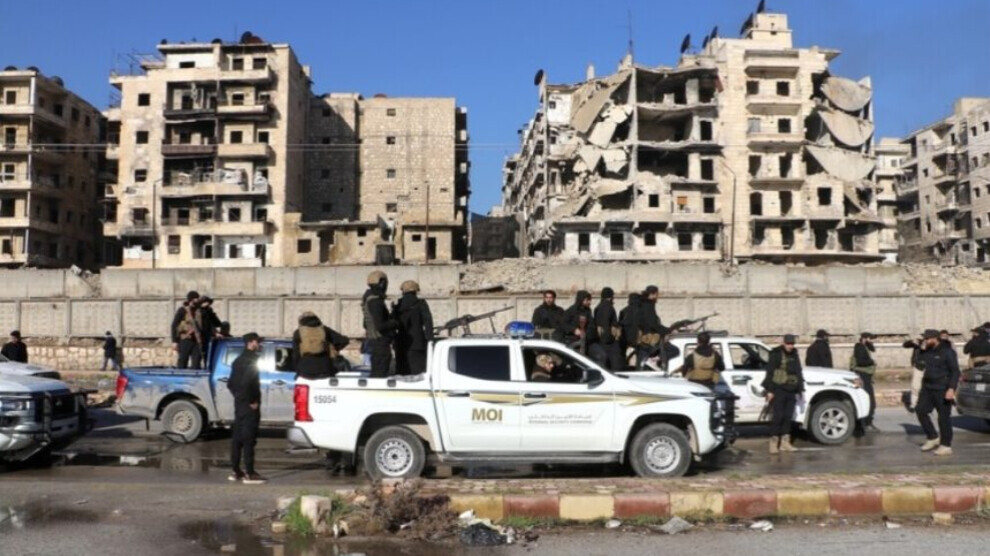
News Center —The city of Kobani is enduring extremely harsh humanitarian conditions as a result of the siege imposed on it. All access roads have been closed, and electricity, water, and internet services have been cut off. As temperatures continue to drop, residents—especially children—are facing a direct threat to their lives amid the absence of even the most basic necessities of living.
The co-chair of the Kurdish Red Crescent, Hediya Abdullah, reported today, Saturday, January 24, that four children have died in Kobani due to the severe cold following a snowstorm that hit the region last Thursday evening.
Kobani, located on the Syrian-Turkish border, is also witnessing a large wave of displacement from rural areas toward the city due to clashes between the Syrian Democratic Forces and militants of Hayat Tahrir al-Sham, while simultaneously suffering from a tight siege that deprives it of basic living requirements.
Earlier, the United Nations stated that all roads leading to Kobani are closed and that it is aware of the ongoing electricity, water, and internet outages, warning of the serious risk of further deterioration of the humanitarian situation.
The Kurdish Red Crescent official confirmed that the deaths of the children reflect the scale of the humanitarian crisis in the city, noting that any area under a complete siege naturally faces escalating health crises, especially under harsh winter weather conditions.
She also warned that the continuation of the siege could lead to the spread of diseases and epidemics due to the near-total absence of essential supplies such as water, electricity, medicines, and infant formula, posing a direct threat to children’s lives in particular.
She added that the siege is also exacerbating illnesses linked to environmental degradation and poor public hygiene, negatively affecting overall public health, and emphasized that both the health and humanitarian sectors in Kobani are facing a real danger if the situation remains unchanged