
Broken Promises, Ongoing shortages: Eastern Kurdistan Faces Energy Crisis
The energy crisis in Iran has increased the burdens on women in rural areas, particularly in Eastern Kurdistan, where they shoulder household responsibilities, while gas supply projects remain mere official promises far from reality.
Saba Mohibi
Mahabad — Iran has been experiencing a widespread energy crisis for years, but chronic deprivation of basic services and energy resources has made life in rural areas even more difficult and complex. Despite repeated reports in official media about the arrival of the “blessing of gas” to deprived regions, and official statistics that may appear convincing, the reality is different. Many villages across the country still face the autumn and winter cold relying on traditional methods to secure heating and daily fuel needs.
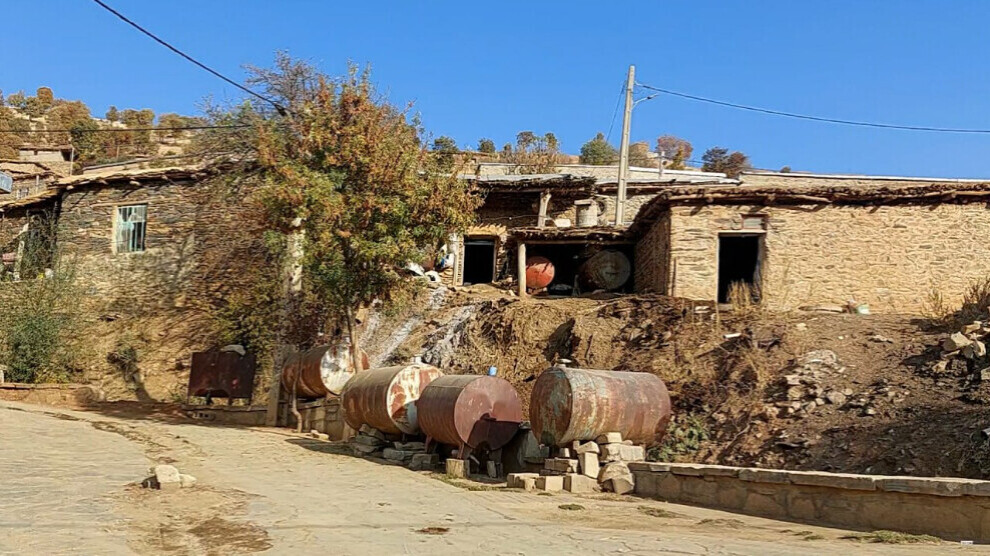
In several villages of Eastern Kurdistan, oil tanks placed outside homes reveal a harsh reality, as residents face the severe winter cold under even tougher conditions than elsewhere. According to official statistics, more than 20% of the 2,800 villages and towns in Urmia province still lack gas, and some will never receive domestic gas due to their small population. Some villages, although included in official gas supply projects, still rely on kerosene rations for heating their homes.
The absence of basic services such as gas, electricity, and water burdens everyone, but it disproportionately affects women due to gendered roles and unequal responsibilities within the household. Women often bear the responsibility of cooking, caring for children and the elderly, heating the home, and providing daily necessities. Any shortage of energy sources increases their physical and time burdens, turning simple tasks into laborious activities that consume long hours, exposing them to health issues such as respiratory diseases, chronic fatigue, and psychological stress.
Fatemeh M., a resident of Kuran village located between Sardasht and Mahabad, one of the villages equipped with gas lines last year, explained that residents still cannot use the service. She said, “They extended the gas pipeline to Kuran, but it has not been activated yet. Every year we receive our oil rations through the rural card, which we use for heating. Life here is hard, and this has pushed our children to migrate, some returning only during the farming season. If we had basic services, many of them would have stayed in the village.”
Ghazal H., another woman from the village, added, “From morning until evening we have to monitor the oil heaters due to safety risks. Although we are used to them, the smell fills the air. Every house has an oil tank, and we use gas cylinders for cooking, sometimes baking in old traditional ovens. Men only fetch the oil, but all the hard work falls on us women. With water shortages this year, life has become even harsher.”
Since the founding of the Islamic Republic in 1979, one of its main promises was to provide free access to water, electricity, and basic services. The gas supply project, which began before the revolution, gradually expanded from major cities to other regions. However, the focus on urban energy provision left many villages in Eastern Kurdistan marginalized and deprived of these services.
In 2024, authorities announced the launch of 85 gas supply projects in Urmia province, yet dozens of villages, such as Kuran, remain without access to the national gas network despite being included in these projects. To this day, it remains unclear when these areas will actually receive gas, leaving them as mere names on official lists meant to create the illusion of progress far removed from reality