
Shno Mehrborur: Unity Today is Not an Option but a National Necessity
Journalist Shno Mehrborur stressed that Eastern Kurdistan faces a critical phase, where unity is not optional but a national necessity to protect Kurdish rights, existence, and survival.
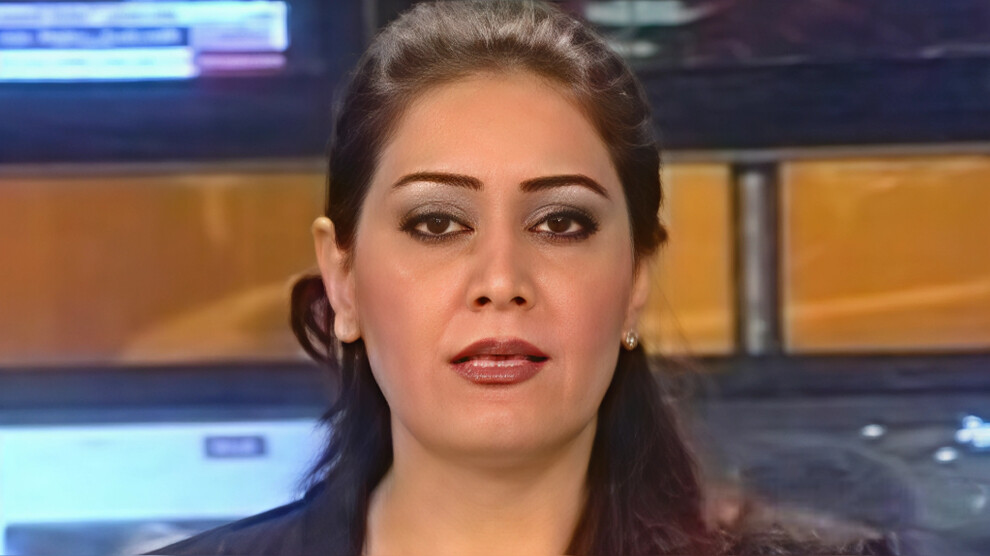
Shia Koyi
Koya — Eastern Kurdistan is witnessing a politically sensitive phase, where internal developments in Iran intersect with the growing Kurdish demands for freedom and justice. Amid this tense landscape, calls for strengthening unity among Kurdish political forces have intensified.
In response, five Kurdish political forces in Eastern Kurdistan—the Kurdistan Free Life Party (PJAK), Kurdistan Freedom Party (PAK), Iranian Kurdistan Democratic Party (HDKA), Kurdistan Struggle League, and Iranian Kurdistan Workers’ Organization—announced a union forming an alliance of significant importance at this stage.
This convergence aims to establish a unified political framework and joint program for Iran’s future, enabling these parties to adopt a common vision and position on national and ethnic issues.
Journalist Shno Mehrborur highlighted that the current stage requires unprecedented national cohesion, emphasizing that unity is no longer merely a political option but an existential necessity to protect the Kurdish people and their rights.
She stated, “In Eastern Kurdistan, the struggle is not only political. This union has an important impact, especially in this sensitive phase. Unity is not just a choice but a national necessity. During past attacks on Rojava and the Iranian attacks on Eastern Kurdistan, all Kurds united with one voice, showing solidarity. Kurdistan has always sacrificed for freedom, past and present, and the dream of freedom has always remained.”
Mehrborur stressed that Kurdish struggle is also about dignity and the right to live freely. “This cohesion has often forced enemies to retreat, and currently, it sends an important message that can gain wide support across the four parts of Kurdistan, particularly in Eastern Kurdistan.”
“Women, Life, Freedom Shook the Enemy”
On the Jin Jiyan Azadî Revolution, she noted that Jina Amini ignited the revolution, and the chant “Death to Khamenei” was raised at her grave, highlighting his decades-long oppression of Kurds and confiscation of their rights.
She added, “The slogan Women, Life, Freedom emerged from Kurdistan. When a Kurdish woman from Saqqez was unjustly killed, the slogan became global and shook the enemy. Dynamic women were the driving force of this revolution.”
Historical Kurdish and Women’s Oppression
Mehrborur also recalled that since the founding of the Iranian Republic, the regime has been a major enemy of the Kurds. She emphasized that Khamenei’s death was considered good news, as he represented decades of repression, both inside Iran and in Kurdistan.
The Iranian regime had labeled Kurdistan a “cancerous node to be eradicated” and implemented thousands of plans against Kurdish achievements. Kurdish women faced double oppression: as women in Iran and as Kurds in Eastern Kurdistan.
She asserted, “Kurdish women have always been at the forefront of struggle. Women fight for gender and class liberation while prioritizing national struggle. Without achieving Kurdish national struggle, gender equality cannot be realized.”
Women’s Role Moving Forward
Mehrborur emphasized that women must play a major role in advancing Eastern Kurdistan toward a new phase. She stated that women should take responsibility and work collectively to confront violence, while Kurds must remain aware, as this is a transitional stage and Iranians have yet to experience true democracy.
She concluded, “Since the era of Reza Shah, Kurdish demands have been suppressed. Qazi Muhammad, President of the Republic of Kurdistan, was executed by the same authority that Reza Shah’s father belonged to, which today seeks to regain power. Kurdish demands have been violated throughout history.”