
Report: Hundreds of Women and Children Killed in Pakistani Bombardment of Afghanistan
"Rawadari has documented the killing and injury of more than a thousand civilians in Pakistani military attacks on Afghanistan between 2024 and 2026, noting the displacement of thousands of families and damage to civilian facilities in several provinces."
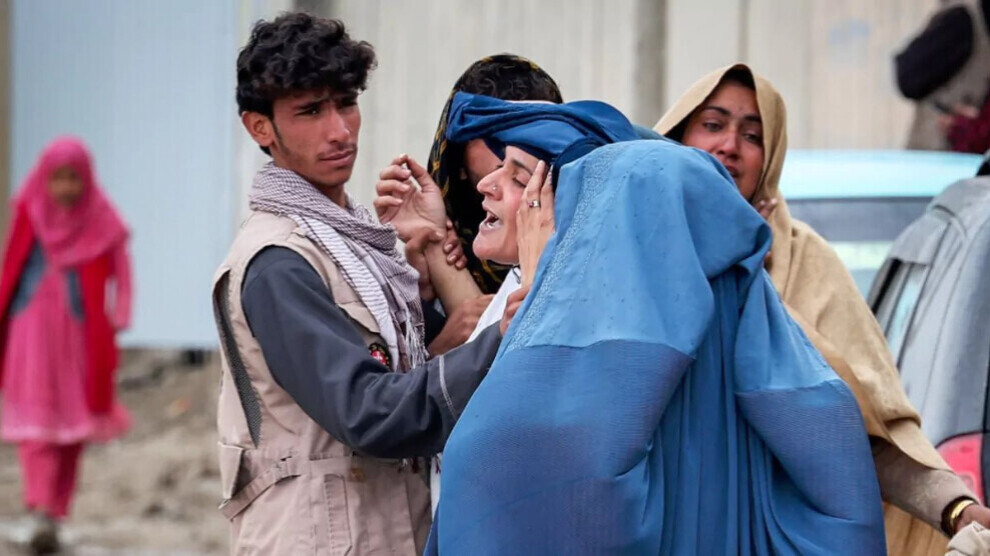
News Center— The repercussions of military tensions between Afghanistan and Pakistan continue to affect the civilian population, amid growing fears that humanitarian damage in border areas will widen further.
The human rights organization Rawadari revealed in a new report that it has documented the killing and injury of at least 1,187 civilians as a result of Pakistani military attacks inside Afghan territory during the period from December 1, 2024, through the end of June 2026, noting that these operations also caused the displacement of more than 29,000 families and widespread damage to civilian infrastructure.
The report, published by the organization on Monday, July 27, stated that its findings were based on field investigations, testimonies from victims and local residents, as well as information gathered from sources within the affected areas.
It noted that the military attacks caused significant human and material losses, amid continued security tensions along the Afghanistan-Pakistan border.
According to the organization's data, the number of civilian deaths reached 472, including 342 men, 86 children, and 44 women, while the number of injured reached 715, including 460 men, 130 children, and 125 women.
The report noted that the military operations affected several Afghan provinces, including Khost, Paktia, Paktika, Nuristan, Nangarhar, Kandahar, Helmand, and the capital, Kabul, explaining that the bombardment and attacks damaged or destroyed hundreds of homes, schools, health centers, mosques, and other civilian facilities.
In one of the most notable incidents covered by the report, Rawadari stated that an airstrike carried out by the Pakistani air force targeted a center for the treatment and rehabilitation of people struggling with addiction in the capital, Kabul, killing or injuring at least 300 patients and staff at the center.
The organization considered that targeting a civilian medical facility, based on the data it gathered, constitutes a violation of the principles of international humanitarian law, and may fall among the violations that could rise to the level of war crimes.
The report noted that the repercussions of the military operations were not limited to casualty numbers and material damage, but extended to the psychological, social, and economic dimensions of civilians' lives.
It explained that testimonies from residents and survivors included recurring concerns over the loss of security, lasting psychological effects, disruption to children's education, and rising rates of poverty and displacement, making it difficult for many families to return to normal life.
The report also noted that the continuation of armed conflict and restrictions on access to information posed obstacles to documentation and evidence-gathering efforts, explaining that access to some affected areas was limited due to the security situation.