
Practical Medical Training for Female Graduates in Kabul Between Ban and Health Crisis
Dozens of Afghan women doctors have completed practical training in Kabul, but restrictions on women's education and their exclusion from medical institutions have disrupted their careers, further exacerbating the country's severe health crisis
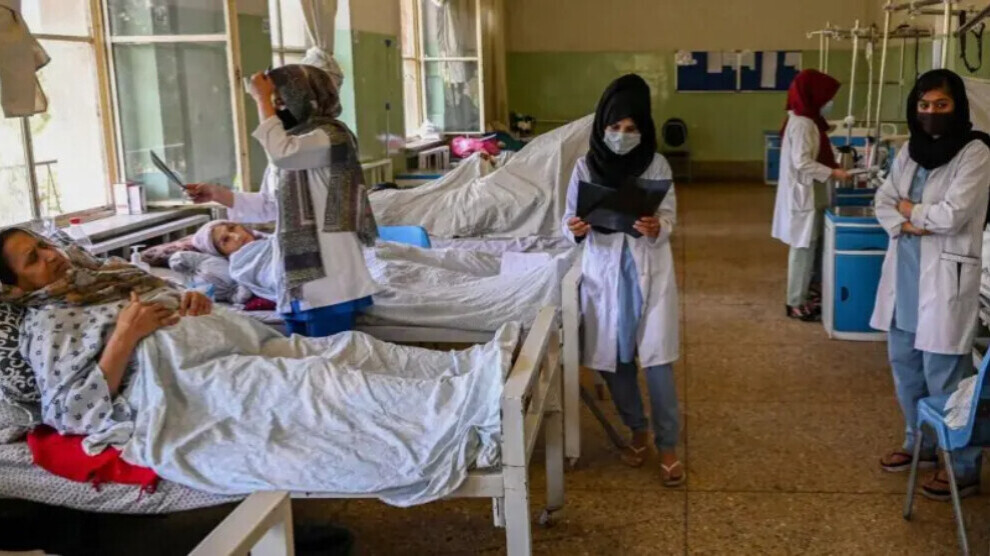
News Center — Girls in Afghanistan are facing a strict ban on secondary and higher education, prompting widespread criticism from human rights and international organizations that have described the decision as a “direct threat” to women’s future and to public health, amid a worsening health crisis and a severe shortage of female medical personnel.
Independent Afghan media reported that dozens of Afghan women doctors gained practical experience in various clinical settings as part of a training program launched in June of last year. Organizers explained that this was the second practical course of its kind, but that it is being held under restrictive policies that prevent women from pursuing higher education and joining medical institutions.
Local sources indicated that many female graduates were unable to sit for graduation examinations, leaving their formal path to entering the healthcare sector stalled to date.
International human rights and medical bodies have described the ban or restriction on women’s medical education as a “direct threat” to the health of women and children. Organizations such as Human Rights Watch and the UN Office of the High Commissioner for Human Rights have called for these policies to be reversed, warning that without a female clinical workforce, millions of women in conservative areas of the country are unable to access essential healthcare.
The link between these restrictions and critical health indicators is particularly evident, as Afghanistan records one of the highest maternal mortality rates in the world. Estimates by international organizations and media reports indicate a rate of approximately 638 deaths per 100,000 live births. Chronic shortages of doctors, midwives, and female health workers over past decades have contributed to the worsening of this crisis, and experts warn that continued reductions in the number of newly trained female healthcare workers will further diminish access to safe childbirth, as well as weaken prenatal and postnatal care services.
The healthcare system is also under severe strain. Reduced financial support, the suspension of international aid, the closure or downsizing of hundreds of health centers, and the migration of specialized staff have led to acute service shortages, even in rural areas. In addition, certain regulations—such as requiring a male guardian (mahram) or the presence of checkpoints that restrict women’s movement—have hindered access to emergency care. Cases of maternal deaths have been recorded as a result of delayed arrival at health facilities. International and research institutions warn that this combination of factors could further increase maternal mortality unless policymakers and international donors provide tangible solutions.
Afghan doctors and activists say that courses like the one recently held in Kabul are “necessary but insufficient,” calling for the full reopening of medical training institutions for women, the administration of postponed professional examinations, protection for female workers in their workplaces, and the provision of resources needed to retain and train healthcare staff across the country to prevent a long-term collapse in maternal and child healthcare capacity. Humanitarian and civil society sources also stress the importance of maintaining aid and directing it toward maternity services and essential treatments in the most underserved areas.