Heavy Rains in Morocco Claim 21 Lives and Expose Infrastructure Fragility
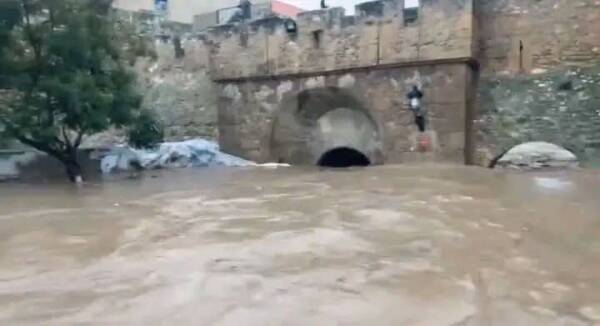
Heavy rains and flash floods that hit the city of Safi in Morocco have resulted in the deaths of 21 people, while authorities continue search operations for the missing
Morocco — The disaster caused by flash floods and heavy rains in Morocco has exposed the fragility of infrastructure and the additional risks faced by women and the most vulnerable groups amid extreme weather fluctuations.
On the evening of Sunday, December 14, Safi Province in central Morocco experienced extremely strong and unprecedented thunderstorm rainfall, which led to exceptional flood flows within a very short period of no more than one hour. This resulted in severe human and material losses and once again highlighted the vulnerability of groups most exposed to risk, particularly elderly women working in the informal sector.
Deaths and Extensive Losses
According to updated figures from local authorities in Safi Province, the torrential floods resulted in 21 deaths after water infiltrated a number of homes and shops. Meanwhile, 32 people were rescued and are currently receiving medical care at Mohammed V Hospital in the city of Safi, as search operations continue for possible missing persons.
The Elderly Woman Who “Returned from Death”
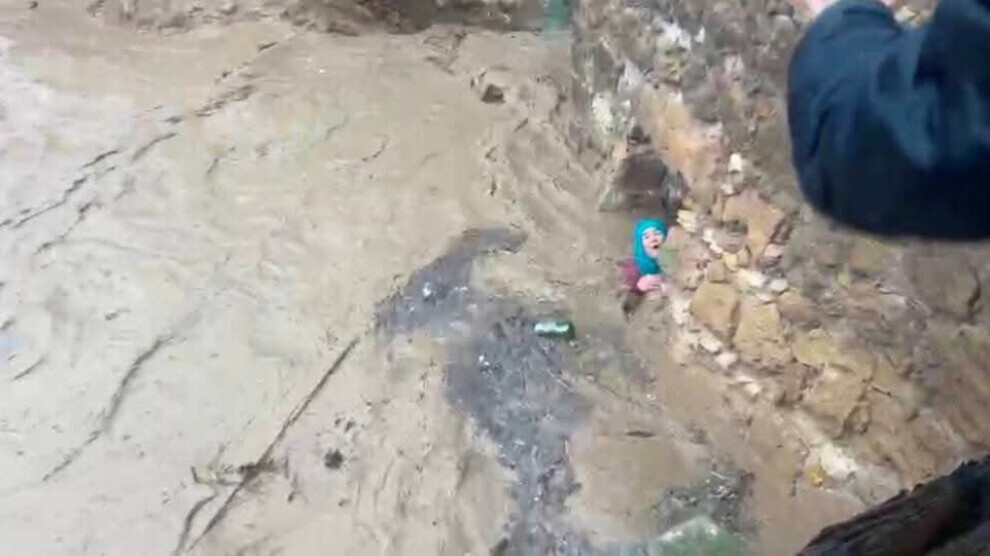
Amid this heavy toll, a human story emerged that encapsulates the extent of vulnerability faced by fragile groups during natural disasters. It is the story of an elderly woman who works selling pottery in the Bab Al-Shu‘ba neighborhood. She was swept away by rapidly surging floodwaters that surrounded her from all sides.
Eyewitnesses spoke of harrowing moments as the woman screamed for help, while passersby rushed to rescue her from the raging waters. After exhausting efforts, she was saved at the very last moment, in a scene residents described as a “miraculous escape.”
Material Losses and Strained Infrastructure
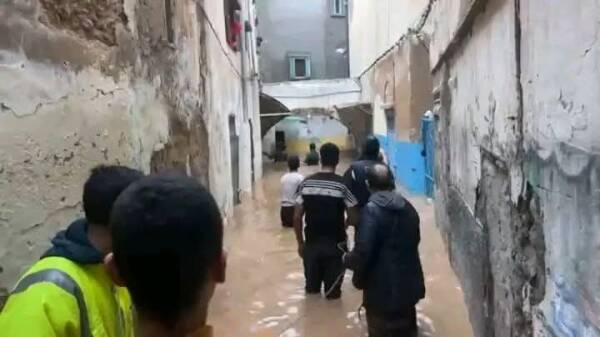
As for material damage, authorities revealed that the city of Safi—particularly the old city—suffered multiple forms of destruction. Rainwater flooded 70 homes and shops, especially along Bir Anzaran Street and Abu Al-Dhahab Square. The road section linking Safi to the Iharara commune center along Provincial Road No. 2300 was also damaged, and traffic was disrupted across several parts of the city due to collapses and mud accumulation.
Authorities confirmed that all relevant actors and sectors have mobilized their human and logistical resources for immediate intervention and to provide support and assistance to those affected. Search operations for possible missing persons are ongoing, alongside efforts to restore road networks and basic services.
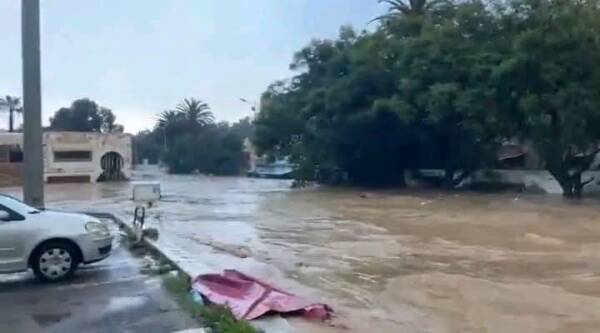
The impact of these rains has not been limited to Safi alone. The city of Tetouan has also experienced continuous flooding for the second consecutive day, with floodwaters inundating main streets and narrow alleys in low-lying neighborhoods. This led to a complete paralysis of traffic and significant material losses, including submerged vehicles and damaged property, although no casualties have been recorded so far.
Local authorities and civil protection services intervened by deploying bulldozers and pumps to drain water and remove debris from affected areas, while closing vital roads to prevent accidents. The Provincial Directorate of National Education announced the suspension of classes on Monday, December 15, to ensure the safety of students and educational staff.
Women at the Heart of Climate Vulnerability
These floods once again bring to light the structural vulnerability suffered by elderly women working outside any form of social protection. The story of the pottery seller illustrates how natural disasters become a compounded threat for women who rely on insecure daily labor, without compensation or immediate support.
The disaster also raises rights-based questions about the preparedness of urban infrastructure to confront climate variability, the protection of vulnerable groups during natural disasters, and the urgent need to integrate a gender-sensitive approach into prevention and emergency response policies.