
Ebola Cases in Congo Exceed One Thousand Amid Fears of Worsening Outbreak
DRC authorities report 1,003 confirmed Ebola cases and 254 deaths, with warinings of ongoing transmission in easter regions and mounting health sector strain.
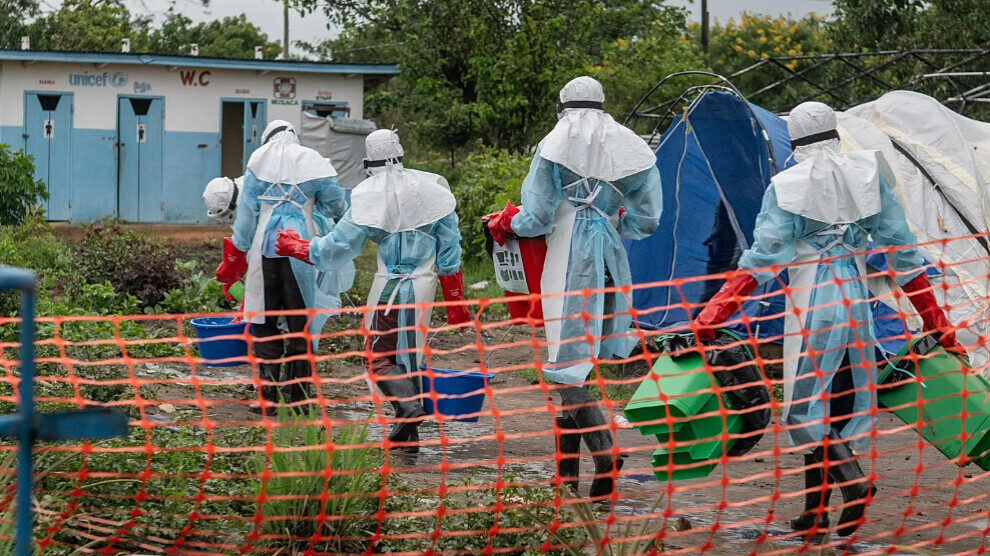
News Center_ The number of confirmed Ebola Cases in the Democratic Republic of the Congo has surpassed one thousand , a development that has raised concern among local health authorities and international organizations regarding the expanding scope of the outbreak and the continued transmission of the virus in the country’s eastern regions.
Congolese health authorities announced in a statement issued yesterday, Sunday, June 21, that 1,003 confirmed cases of the virus have been recorded, including 254 deaths, compared to 956 cases and 247 deaths announced in the last official update released on Saturday, reflecting the continued rise in case number over a short period.
the current outbreak is mainly concentrated in the Ituri region in the eastern part of the country, where the first announced cases were detected in mid-May. The Congolese Minister of Health confirmed during a field visit to the region that 80 patients have recovered and been discharged from Ebola treatment centers, noting that health efforts are ongoing to curb the spread of the disease and strengthen monitoring and follow-up operations.
Meanwhile, the World Health Organization has warned of the increasing impact of the outbreak on the health sector, after revealing that 75 health workers have been infected with the virus since the beginning of the current crisis, with 17 of them having died from the infection. This figure reflects the scalte of risks facing medical teams working on the front lines of the fight against the disease.
Experts estimate that the virus may have been spreading in some areas for several months before the official announcement of the first cases on May 15, which led to transmission among a number of residents and health workers before necessary response measures were taken and tracing and isolation operations began.
The current outbreak is attributed to the rare "Bundibugyo" strain of the Ebola virus, for which no approved vaccine or specific effective treatment is yet available, further complicating containment efforts and making primary reliance on prevention measures, isolation, contact tracing, and supportive medical care for the infected.
Although the current outbreak remains less deadly than the Ebola epidemic that struck West Africa in 2014, causing more than 11,000 deaths, the rate of infection spread during the first weeks of the current crisis raises concerns about the potential expansion of transmission if health measures are not urgently strengthened.
Congolese authorities, in collaboration with the World Health Organization and international partners, continue to implement field campaigns for early detection of infections, contact tracing, and strengthening prevention measures in affected areas, in an attempt to contain one of the most serious outbreaks the country has witnessed in recent years.