
Report reveals extent of environmental destruction after recent attacks on Iran
Iran's Environmental Protection Organization: US-Israeli attacks caused environmental damage, burning petroleum products, targeting protected areas in seven cities, emitting hazardous pollutants and increasing air pollution.
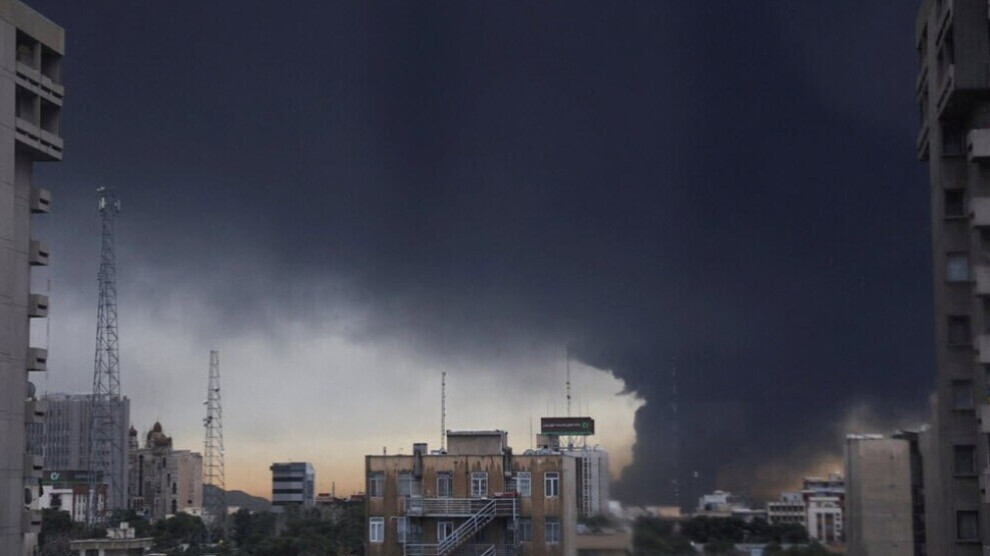
News Center — Iran is witnessing increasing warnings from environmental and public health experts regarding the escalating risks threatening ecosystems, especially after the recent attacks on the country. This comes amid worsening pollution levels and increasing pressure on natural resources.
Iran's Environmental Protection Organization announced that the recent attacks launched by the United States and Israel have caused severe environmental damage, as the spread of hazardous pollutants has threatened the foundations of life in several regions.
According to a report issued today, Monday, April 13, the bombings targeted industrial facilities and protected areas belonging to the organization, noting that the explosion of oil tanks in Tehran and Alborz provinces was the most significant factor in exacerbating this environmental crisis.
The report indicates that areas under environmental management in seven cities—Hormozgan, Markazi, Sistan and Baluchestan, Fars, Sanandaj, Alborz, and Tehran—were targeted, and a total of 13 protected areas suffered varying degrees of damage, from minor to extremely severe.
The report confirmed that more than 360,000 cubic meters of petroleum products caught fire in three groups of oil tanks in Shahran, Shahr-e Rey, and Kuhak. As a result of these fires, approximately one million tons of carbon dioxide were released into the atmosphere, increasing air pollution and exacerbating environmental impacts.
The report noted that approximately 4,000 tons of aromatic compounds and volatile organic compounds were released into the environment following these incidents—substances known to be hazardous pollutants that can pose a serious threat to human health and the sustainability of ecosystems.
This report comes as environmental experts warn of the long-term consequences of this level of pollution on natural resources, biodiversity, and public health, emphasizing the need for a comprehensive assessment and urgent action to contain the crisis.