
Khalida Bouti: Guaranteeing Women’s Rights in the Constitution is an Indicator of Comprehensive Development.
Amid escalating debate on Syria’s political future and the need for a new constitution reflecting all components, women’s rights emerge as a key indicator of any genuine reform or democratic transition.
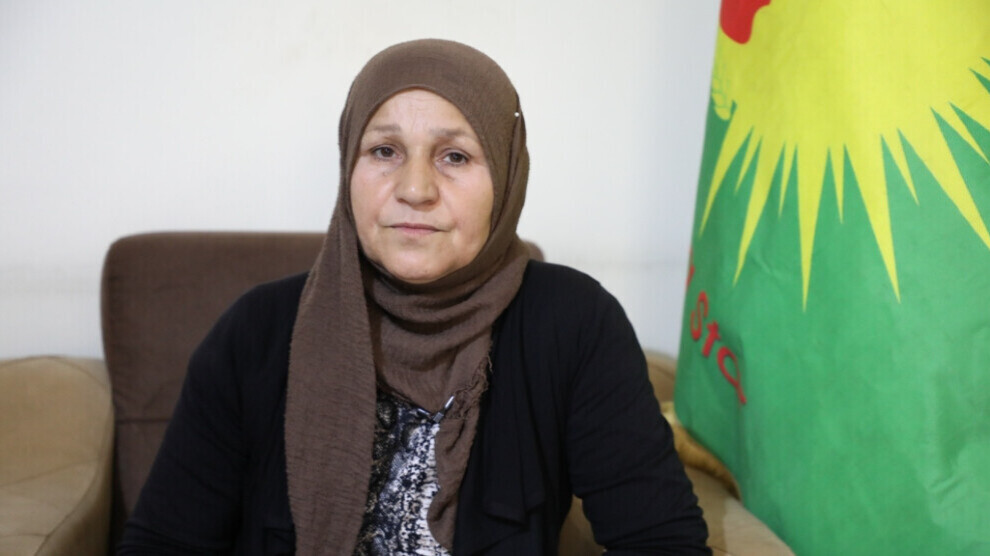
Ronida Haji
Al-Hasakah — As the Syrian people seek to build a more just and stable future after years of war and suffering, the need arises for a new constitution that reflects the demands of all components of society and guarantees the fundamental rights of every individual, especially women, at the highest level.
After coming to power without involving all Syrian components, Hay'at Tahrir al-Sham, which controls the interim Syrian government, issued a constitutional declaration.
This constitutional declaration reinforces the exclusion of components. Despite women's struggle for 15 years, which ultimately led to the collapse of the Baath regime, the constitutional declaration does not reflect the will of women nor the beliefs of other components.
"The Current Constitution is Religious and Racist"
Khalida Bouti, a member of the Coordination Body of the Star Congress, commented on the exclusion of women from the Syrian constitution, stating that "this constitution was formulated by specific individuals, not according to the revolution or the will of all components."
She described the constitution as undemocratic: "The constitution must serve all components and the Syrian revolution, and end the injustice carried by the previous constitution, which was one-sided and did not include rights for components nor women's rights. But unfortunately, the opinions of the people and components were not taken into consideration, and women had no role or task in the government or the current constitution, which is no different from the previous one; it is a religious and racist constitution, and there is no difference between them."
"Women Have Presented a Model of Strength in All Areas of Life"
Our speaker pointed to the women's revolution in Rojava, affirming that women have left their mark on this 15-year-long revolution. "Women have achieved great accomplishments, created opportunities to manage themselves, and also played an important military role in liberating the world from the terror of ISIS, becoming a role model. Yet, the constitutional declaration does not grant any role to women. Therefore, this constitution is not acceptable in Rojava, because the women here have made sacrifices for freedom and will not accept less than their rights."
"All Beliefs and Components Must Be Recognized"
As Khalida Bouti asserts, the interim Syrian government issued a new constitution without the will of women, and it does not include any rights for them. "In Syria, there are multiple beliefs and communities, including Yazidis, Shia, Alawites, Druze, Christians, Assyrians, Syriacs, Kurds, and Turkmen. There is a great diversity of components and ideas. Therefore, the will of all these components must be recognized in the new constitution, taken into consideration, and everyone's rights must be protected."
"Constitutionally Empowering Women Means Empowering Society"
Women's rights in the constitution are not a luxury but a "fundamental necessity," as our speaker affirms, who believes that "ensuring the fair and comprehensive application of women's rights in the new Syrian constitution is not merely a feminist demand, but an essential condition for the success of the democratic transition and the building of a modern state based on citizenship and equality. Constitutionally empowering women means empowering half of society, paving the way towards a more cohesive and just society capable of facing challenges and building a better future for Syria."
"Women Struggled to Change the System"
Khalida Bouti explained that the women's revolution did not only aim to change individuals, but to change the authoritarian system that reinforces its power by denying the rights of components and discrimination between genders. "Theoretical recognition of women's rights is not enough; rather, clear constitutional mechanisms must be established that obligate the state to take measures to enhance women's participation in public life. This can include imposing quotas for women's representation in parliament and local councils, providing educational and training opportunities, supporting rural women, and establishing institutions to follow up on women's issues and protect their rights. For our part, as women's organizations, we will continue our struggle to ensure equality and justice."