
Open questions and escalating fears as women in the Syrian coast continue to disappear
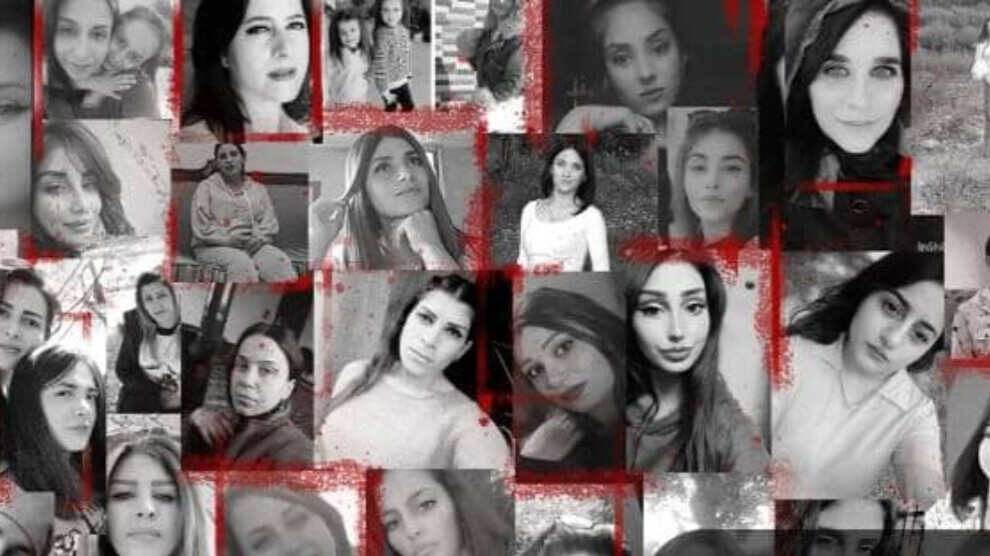
Fears are renewed among women in the Syrian coast as mysterious disappearance cases continue to be recorded, which doubles questions about women’s security and the safety of their daily movement.
MASA SULTAN
LATAKIA— A state of anxiety continues among women in the Syrian coast against the backdrop of repeated news of women disappearing and contact being cut off with them under circumstances whose details remain mysterious in some cases, amid growing fears of the widening circle of danger that has come to threaten women's sense of safety during their movement and the practice of their daily lives.
The escalation of fears of women disappearing in the Syrian coast cannot be separated from the state of security chaos and sectarian tensions that the region witnessed during the past period, amid reports that documented the commission by the Syrian interim government of violations and assaults targeting civilians on the basis of their sectarian affiliation, which affected women, girls, and entire families.
In the latest case, the family of Karis Ali lost contact with her at 2:30 p.m. on Saturday, November 14 of the current month, after she was seen in front of the new bus station in the city of Tartus, according to information reported by her family. Karis Ali hails from the village of "Bashabta" and is married in the village of "Qalaa" in Al-Suwayri.
Karis Ali, 23 years old, was accompanied by her mother at the National Hospital in Tartus to visit her father, who is receiving treatment after falling from an olive tree and undergoing surgery.
Until now, the circumstances of the cut-off of contact with her or the extent of the loss of communication with her and the inability to determine her location have not been clarified, which makes revealing her whereabouts and verifying her safety an urgent and necessary priority.
The Syrian Observatory for Human Rights also documented a mysterious kidnapping incident in the Saqoubin neighborhood on the outskirts of the city of Latakia on Sunday, November 15, in front of one of the commercial shops in the area, amid a state of anxiety and anticipation among the residents.
Assaults and violations threatening the safety of women in the Syrian coast
In this context, lawyer Lara Al-Abd, a lawyer specialized in women's affairs and defending their rights, said in a special interview with our agency: "These news items cannot be dealt with as separate incidents or mere new names in the records of the missing. Every news item about a woman whose trace has been lost leaves behind a fear that goes beyond her family to other women who wonder what might happen to them on the way home, while waiting for a means of transportation, or during their movement between villages and cities."
She adds: "Anxiety has become part of the details of our day. We reassure one another through calls, we follow the news of the absent with suspended hearts, and we feel that our most basic rights — such as going out, moving, and returning to our homes in peace — are no longer matters that can be taken for granted without fear. These cases extend to families and society as a whole, going beyond women and girls, as the absence of a single woman turns into a harsh state of waiting, in which the family clings to any piece of information or call, while questions remain open about the circumstances of the disappearance and the parties responsible for revealing the fate of the missing women."
Cases of missing women require serious action
The repetition of this news requires serious action to verify cases of missing women, respond quickly to their families' reports, and provide reliable information to public opinion.
A number of women rights activists explain their view of these recurring incidents: "We do not want the disappearance of a woman to become a passing news item, nor for our families to get used to waiting, nor for us to have to calculate our steps with fear. We want to know where Karis Ali and her counterparts are, and for her to return safely to her family, and for every woman in the Syrian coast to have the right to live and move without her safety becoming an open question, and most importantly, for these phenomena that warn of the collapse and corruption of society to stop."
The report of the Syrian Feminist Lobby in May 2026 indicated the monitoring of dozens of cases of kidnapping and enforced disappearance of women and girls in the Syrian coast and the Hama and Homs countryside since 2025, affirming that a large proportion of them are still missing.