
Mir Khanzad... The Kurdish Woman Who Led Her Army and Ruled the Soran Emirate
"Mir Khanzad was a brave ruler, and she personally led her army on the battlefield"—with these words, the 17th-century traveler Evliya Çelebi described the Kurdish female leader Mir Khanzad, in an era when men dominated power.
News Center — If we turn back some 400 years, we can discover the story of the Kurdish princess Khanzad (Mir Khanzad). Although her name is not frequently mentioned in Kurdish history, Mir Khanzad was not merely a female ruler; she was also a military leader and strategist. In an era when men dominated power, she ascended the throne of a Kurdish emirate and immortalized her name in Kurdish history.
At the beginning of the 17th century, the Soran Emirate was one of the most important Kurdish emirates in the region surrounding what is now Erbil (Hewlêr). When her elder brother, Prince Suleiman, the emirate's ruler, was killed, the administration faced a major crisis. At that point, Mir Khanzad emerged.
According to sources, the prominent figures of the emirate, trusting in her political abilities and competence, entrusted her with the administration of the emirate. In this way, Mir Khanzad became one of the few female rulers to lead the Soran Emirate.
One of the most notable stories recounted in Kurdish oral tradition is that of the military commander Leshkeri. Commander Leshkeri was responsible for the killing of Mir Khanzad's brother.
According to legend, Mir Khanzad managed to win his trust by offering to marry him. During a meeting held in Herir, Leshkeri and his men were neutralized.
Although this account holds an important place in historical oral tradition, its details cannot be definitively confirmed through historical documents and sources.
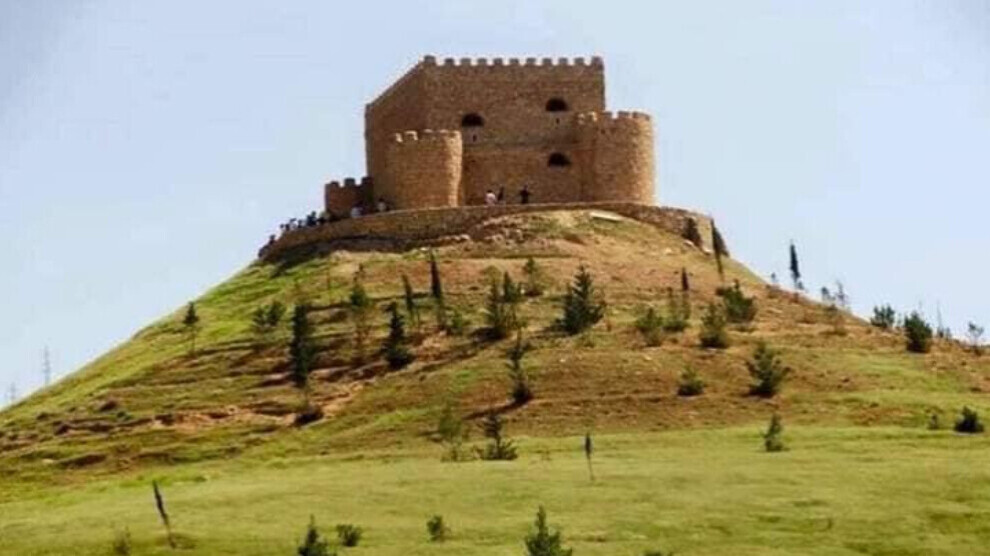
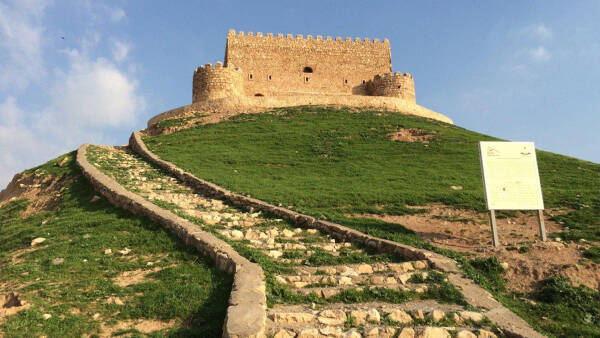
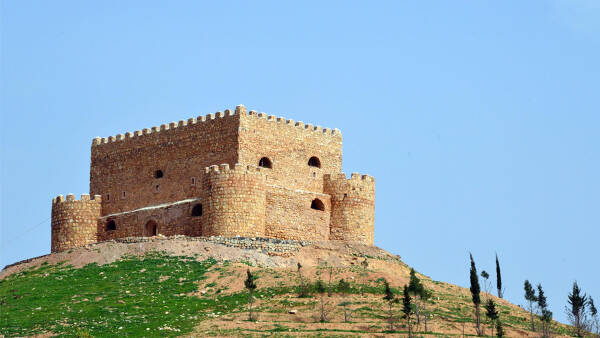
Mir Khanzad's success was not limited to the military sphere. During her reign, the Herir region was strengthened, roads and defensive structures were built. Khanzad Castle, which bears her name, still stands to this day. The emirate's administrative apparatus was also reorganized.
She also held an important position and characteristics on both the political and social levels, playing an essential role in the exercise of political power and in governance and administration processes.
The 17th-century traveler Evliya Çelebi speaks of Mir Khanzad with admiration, providing the following information about her: "Mir Khanzad was a brave ruler, and she personally led her army on the battlefield."