
Kim Jiyoung, Born 1982"... One Woman and the Story of Many Women
The novel Kim Jiyoung, Born 1982 follows an ordinary woman's life, blending fiction and social observation to reveal discrimination's impact on women
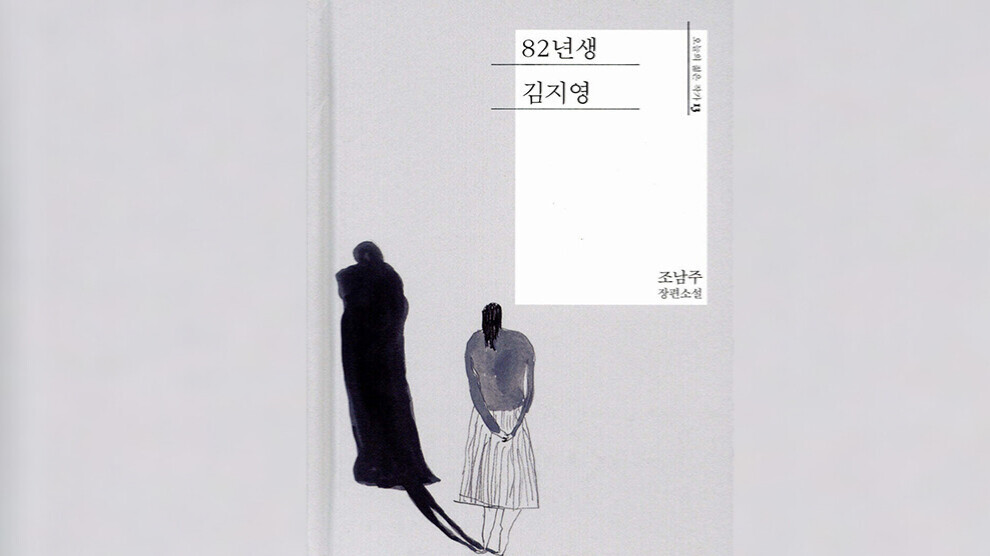
News Center — In 2016, the novel "Kim Jiyoung, Born 1982" by Cho Nam‑joo was published in South Korea. Its title seemed simple and neutral, but the novel soon transcended the boundaries of literature to become one of the most prominent works sparking debate on women's issues and gender‑based discrimination in South Korea and beyond.
The novel follows the life of Kim Jiyoung, a Korean woman born in 1982, tracing her journey from childhood, school, and work, to marriage and motherhood. The significance of the character lies not in being exceptional, but in being an ordinary woman who resembles, in many details of her life, thousands of other women. Through her experience, the novel observes various forms of discrimination—beginning with male preference within the family, extending to school and work, and renewing after marriage and childbirth.
Cho Nam‑joo does not build her protagonist's tragedy on a single incident, but on a long accumulation of daily details. Discrimination may appear in a passing comment, a social expectation that seems natural, holding women responsible for others' behavior, or assuming that they must choose between their professional lives and their family roles.
Between Fiction and Reality
Cho Nam‑joo blends narrative fiction with information and statistics about Korean society, making Kim Jiyoung's life an entry point to broader social issues. This approach gave the novel strength and impact, but it was also a source of controversy. Many readers felt it succeeded in expressing women's daily experiences, while others considered its feminist message too direct and intense.
The novel's spread came at a time when debate on gender equality was escalating in South Korea, turning Kim Jiyoung's story into a means of expressing shared women's experiences. By 2018, the novel had become an iconic work for many Korean women, while also drawing objections from some anti‑feminist groups.
Its impact did not stop at South Korea; it was translated into many languages and reached a global audience, including English‑speaking readers through Jamie Chang's translation.
In 2019, the novel was adapted into a South Korean film of the same name, starring Jung Yu‑mi and Gong Yoo, bringing the issues it raised to a wider audience.