
Stories of Sudanese Women Who Reclaimed Themselves Amid Escalating Family Disintegration
Sudan experiences rising divorce cases since conflict began economic pressures and displacement weaken family cohesion, yet women struggle to transform harsh experience into a new beginning despite social psychological challenges.
AYA IBRHIM
Sudan_ Since the outbreak of the conflict between the army and the Rapid Support Forces in April 2023, Sudan has recorded approximately 35,000 divorce cases, an indicator that many consider evidence of an unprecedented social rupture left by the conflict and its accompanying economic and psychological pressures, which have deeply affected family stability.
Social specialist Amal Abdel Latif affirms that the problem of divorce is old and deeply rooted, attributing the rise in its rate after the conflict to many interconnected reasons, including economic problems, instability, displacement, and migration, which led to the weakening of the family fabric and a lack of social cohesion, with numerous consequent effects at the societal level.
Social Pressures Deepen the Fragility of the Sudanese Family
According to recent UN statistics, women and girls constitute more than 53% of the millions of internally and externally displaced persons since the outbreak of the conflict, making them the group most burdened by the consequences of dispersal and refuge. Reports from the United Nations Population Fund also indicate that more than 4.2 million women and girls in Sudan are in urgent need of protection services and emergency care due to the economic pressures resulting from the collapse of the family in displacement centres.
Amal Abdel Latif stresses the importance of changing society's view of women who choose the path of separation, affirming that negative judgments increase their suffering and limit their ability to regain their balance, and emphasises the need for strength and patience.
She believes that the rise in divorce rates requires joint intervention between the government and society, pointing to the necessity of adopting a national strategy for the protection of the family and the child, and developing a social vision based on peace and stability, by activating multiple axes to enhance peace and the importance of family stability.
From Pain to Rebuilding the Self
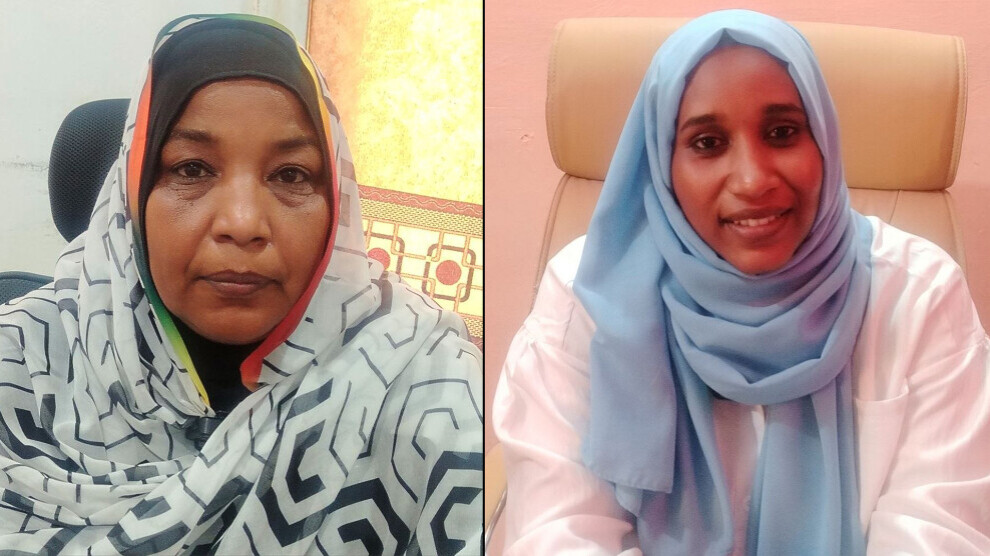
Soha Al‑Haj, who works at the Human Rights Commission, went through the experience of divorce years ago after a marriage that produced three children. She describes the experience as harsh and painful, and that many women do not wish to go through it, but at the same time affirms that it is not the end of the road; rather, it may be a new beginning for those who rediscover themselves.
She explains that she came out of her experience with profound lessons, the most important of which is recognising her abilities and rebuilding her self‑confidence. She believes that a woman should transform the experience from pain into strength, and from brokenness into a message of hope, stressing the importance of patience and belief in one's ability to rise.
Soha Al‑Haj says that before the divorce, she was searching for awareness, and that she overcame that phase through reading and determination, directing a message to every woman who has gone through a divorce about the necessity of rising and regaining her strength.
Rawiya Othman, a media professional who went through the experience of divorce years ago, recounts that the successes she has achieved today were not an easy path, but rather came as a result of the support of her family and friends who stood by her in choosing a new path that gives her security.
She explains that her family was her primary support after the separation, as they helped her complete her university studies with distinction, and then launch into the labour market through multiple institutions that formed a ladder for her to rise towards establishing her own project and transforming the journey of pain into energy of hope.
Rawiya Othman points out that most women who choose divorce go through a stage of denial and blame before reaching healing and awareness, then begin building a new life and setting clear goals, calling on women to fight their battle with awareness and confidence, not to live in isolation, and to seek psychological support when needed.
In light of this crisis‑ridden reality, the divorce crisis in Sudan appears to be more than just numbers; it is a direct reflection of the collapse of a social system that for decades constituted a fortress for families facing crises.
While women bear the greatest burden of the consequences of family disintegration, the stories of Soha, Rawiya, and others emerge as evidence of the ability of Sudanese women to rise despite wounds and transform pain into strength.
Awaiting comprehensive solutions, women's calls remain for the necessity of building a safe environment that restores stability to the family, status to women, and balance to society.