
Women of Gaza Face Systematic Food Violence
In Gaza, women live a harsh reality amid soaring prices and the scarcity of healthy food. They face malnutrition, disease, and weakened immunity, and amid daily suffering, they search for a dignified life worthy of their humanity.
Rafeef Asleem
Gaza — Women in the Gaza Strip are suffering from systematic food violence, as Israeli forces continue to prevent the entry of eggs and all kinds of meat, while flooding local markets with coffee, sweets, snacks, and carbohydrates. This appears to be an attempt to absolve themselves of accusations of starving Gaza’s population. The impact on women is reflected in weight gain without the disappearance of signs of malnutrition.
Superficial Abundance and Hidden Famine
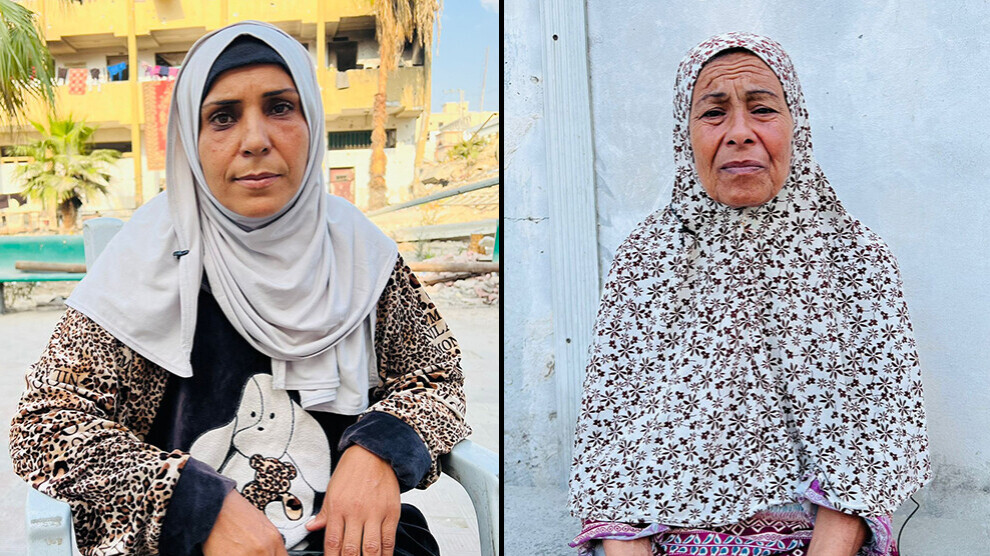
Samar Hamad says that from the moment the ceasefire in Gaza was announced, she and other women rejoiced, hoping that life would return—through the entry of various foods such as eggs, meat, vegetables, and fruit, access to cooking gas, and an end to the daily massacres. But none of that happened; women still have not eaten properly, and the attacks have not stopped.
She does not deny that goods have flooded Gaza’s markets, but stresses the need to ask firmly about the nature of these goods. Are sugar, carbohydrates, coffee, and snacks—whose prices exceed double their pre-war value—really sufficient? She notes that women do need such items, but they cannot rely on them as staple foods for themselves and their children, nor do they have enough money to buy such luxuries.
Samar Hamad is unable to cook vegetables for her children on a daily basis, so she resorts to rice and canned food to prepare meals sufficient for the whole family. Before the war, vegetables were the main component of her diet, followed by meat and fruit consumed almost daily. She explains that at that time she did not suffer from emaciation, facial pallor, visual disturbances, or joint pain—symptoms that a doctor later diagnosed as signs of malnutrition, which continue to affect her to this day.
A new virus causing severe diarrhea has recently spread, along with other viruses that find it easy to invade the weakened bodies of women, as there is no food to strengthen their immune systems. She adds that this dire situation is compounded by intense physical exertion, as women walk tens of kilometers on foot due to the lack of transportation and its high cost, despite the entry of fuel.
She emphasizes that women are being forced to consume specific types of food, which constitutes systematic violence practiced against them and even calculated to circumvent all international laws. She points out that family disputes and ongoing conflict over securing food, along with economic deterioration, double their suffering. Although food items are available in markets, the ability to purchase them is almost nonexistent, as the price of one kilogram of meat has risen from 3 or 4 dollars to more than 25 dollars.
Samar Hamad explains that those who look at women’s bodies today may conclude that there is no famine or food deprivation, since flour is available in abundance and women consume it greedily to compensate for days when they could not obtain it. She appeals to international bodies not to be deceived by the image painted by Israeli authorities and to closely monitor, through reports and medical examinations, what has happened and continues to happen to the bodies of women and girls.
Searching for a Dignified Life
Ibtisam Al-Kafarna agrees with the previous account regarding the types and high prices of food items, which reflect the painful reality endured by Gaza’s women. She notes that the price of a single egg has reached one and a half dollars, asking where women are supposed to get calcium. She questions how it is possible that Gaza, a coastal city, has been deprived of fish for two consecutive years, with the price of one kilogram reaching 50 dollars and some types up to 100 dollars.
She asks where residents of the devastated city are supposed to get money and what women are expected to do. She explains that she lives with her elderly husband and her four daughters—one of whom suffers from a chronic illness, while the others cannot find work and therefore survive only on limited items such as flour, pasta, and low-quality canned food.
Ibtisam Al-Kafarna needs proper nutrition because she suffers from diabetes and may fall into a coma at times if her body is not adequately nourished. She also needs nuts, which contain health benefits, but requires assistance to be able to buy them. She notes that she has been experiencing frequent fainting spells recently.