
Right to Education Suspended... Children of Serê Kaniyê Await Return to Their Schools
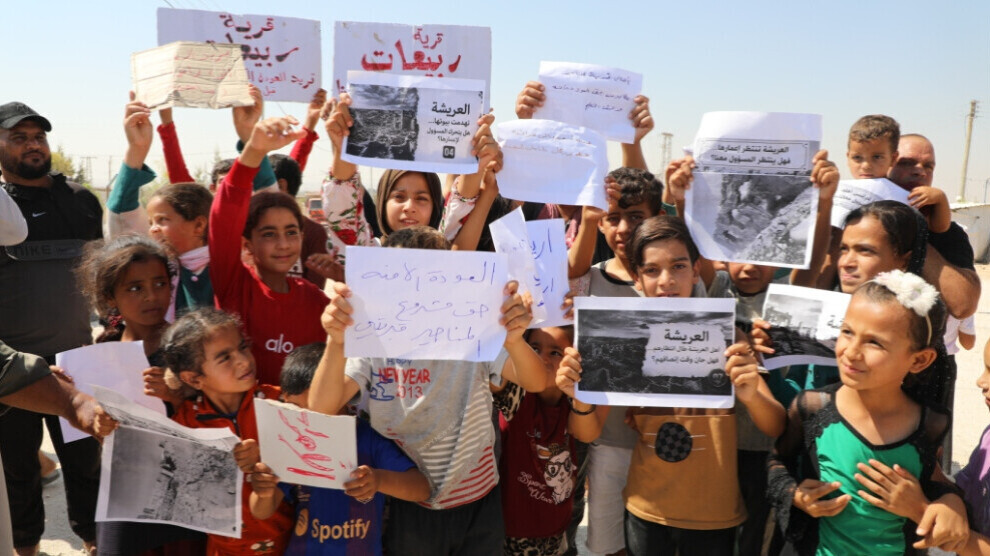
As the new school year approaches, students and displaced families affirm that continued life in the camp endangers children's future, calling for a safe return to their areas to restore their normal lives and resume their education.
RONEEIDA HAJI
Al-Hasakah — Following the attack launched by the Turkish occupation and its mercenaries on Ras al-Ayn/Serê Kaniyê and Tel Abyad/Girê Spî on October 9, 2019, approximately 7,000 school-age children found themselves facing a new reality that forced displacement upon them and made access to education difficult, while 260 schools went out of educational service.
The conditions of displacement directly affected thousands of children's right to education, as they were forced to continue their studies under harsh conditions inside camps and displacement centers spread across various areas of northern and eastern Syria, far from their schools and original areas.
As the school opening date approaches, demands are increasing from families in the Serê Kaniyê camp in Al-Hasakah city to accelerate the process of safe return to their city, after nearly seven years of displacement that have left deep impacts on children's lives, particularly on their educational path. Students also express their desire to return to their schools and restore their normal lives, which they have been deprived of throughout the years of displacement.
On August 10, the first convoy for the return of displaced people from Ras al-Ayn/Serê Kaniyê set off toward their city. However, the return of the first convoy was not without risks, as a number of returnees were subjected to attacks upon their arrival in Serê Kaniyê, and damage was caused to some vehicles belonging to the convoy.
These developments raised additional concerns among families still in the camp and pushed them to emphasize the need to provide real guarantees for the security and safety of returnees, and to secure conditions that allow for a safe and stable return that preserves their rights, foremost among them children's right to education.
Safe Return Is a Necessity to Protect the Future of an Entire Generation
For every family from Ras al-Ayn/Serê Kaniyê, return does not merely mean leaving the camp; it represents a fundamental step toward restoring children's lives and their educational future. Opening school doors alone cannot guarantee children's future unless they are provided with a safe and stable return and are able to continue their education in a peaceful and secure environment.
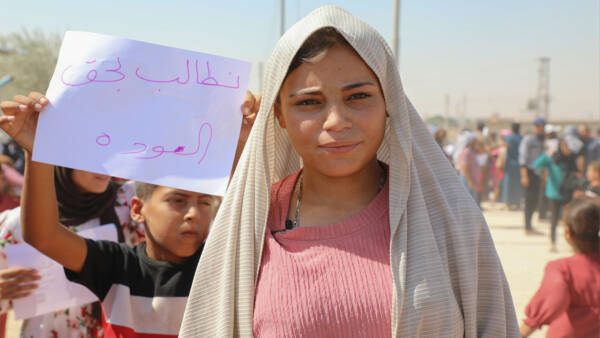
Student Sanaa Mohammed Ibrahim, who is in the sixth grade, said she wants to return to her school and continue her education so that years of her life do not pass without studying: "I miss my school very much, and I want to learn in my mother tongue. We want to return to our normal lives." Dalal Mohammed also said that life in the camp and the conditions imposed by displacement have left negative effects on children's education: "The difficulties we face in the camp threaten our future. We want to return to our land in a safe way."
She also pointed to the importance of education in the mother tongue, and that with the school opening date approaching, the return of displaced people should be accelerated, so that an entire generation can be protected from the long-term effects of displacement, and better opportunities can be provided for children to continue their education.
"We Want to Return to Our Village and Our Schools"
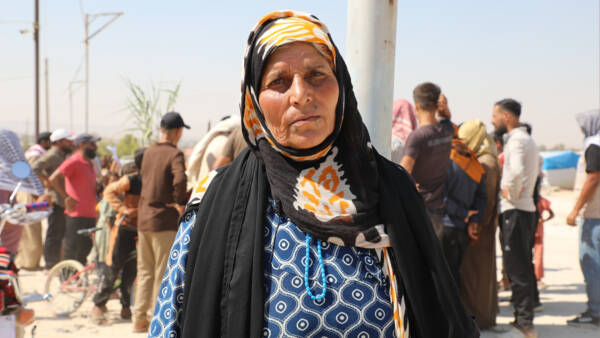
For her part, Ateb Ali expressed her desire to return to her village of Reyhaniye, stressing that children's future must not be wasted inside the camp.
She called for providing schools and assistance, and enabling children to return to their homes and their village, which was destroyed, emphasizing that children need to return to their normal lives and continue their education.
"Displacement Left Negative Effects on Children's Psychology and Education"
For her part, Qamar Ibrahim Abdo spoke about the difficult conditions displaced people are living in, pointing out that their children have been deprived of education and stable life for seven years: "The assistance that used to be provided to displaced people has also stopped, and living conditions in the camp have become more difficult day by day. Our villages and homes were destroyed, and we want to return to our city and our homes and rebuild them anew."
She highlighted the long-term effects of continued displacement on children's mental health and education, explaining that some children, due to difficult living conditions, were forced to work in the streets and sell some products instead of going to school.
She called on organizations and responsible authorities to assume their responsibilities toward displaced people and work to provide safe and appropriate conditions for their return, stressing that children need to restore their normal lives and continue their education away from the conditions of displacement and camps.