
Mothers Between Life's Pressures and Mental Health Challenges
Iraqi mothers face mounting psychological pressure from accumulating social and economic burdens and lingering crisis-related trauma, with specialists warning that ignoring this strain can harm women, families, and children alike.
TAMANNI AL-SARWI
Baghdad — The Iraqi mother has long been a central pillar of family cohesion, shouldering major responsibilities in raising children, managing the household, and supporting family members. However, recent years have imposed additional roles and pressures that have made her daily life increasingly complex.
These pressures are not confined to the present alone, as many women carry the effects of long years of crises, wars, and instability — experiences that have left psychological repercussions still visible in their behavior and fears regarding their families and children.
When Fear Turns into Overprotection
S.A., a mother of three, says she has lived for years in a state of constant anxiety, trying to monitor every detail of her children's lives and protect them from any danger, however small, out of fear that something bad might happen to them that she cannot prevent.
She recounts: "Sometimes I feel like I'm living while waiting for something bad to happen. If one of my children is a little late, my fear starts to take over, and I imagine the worst possibilities. I know I exhaust myself, and sometimes I stop them from doing normal things, but there's an inner feeling that always pushes me to protect them by any means."
She explains that this fear was not born with motherhood alone but is linked to difficult experiences she went through in earlier years. She grew up carrying a great deal of anxiety and never fully felt safe, so when she became a mother, she tried to give her children what she herself had lacked.
She notes that a mother's suffering is not limited to raising children, but is compounded by significant social pressures that place the responsibility for the family and children on her shoulders alone. Society often holds the mother accountable for every action her child takes, as if the child's success or failure were her responsibility alone — with some fathers even placing the entire burden of upbringing on the mother without adequately participating in raising or supporting her in this task.
She adds: "A mother doesn't just need advice and blame; she needs a partner who helps her and shares the responsibility with her. She too gets tired and afraid and needs someone to lean on, but she's usually expected to always appear strong in front of her children, her family, and society."
She stresses that the greatest challenge she faces today is learning how to protect her children without passing her fears on to them, and to give them security and confidence instead of making fear a part of their lives.
Multiple Roles and the Mental Health Challenges Facing Mothers
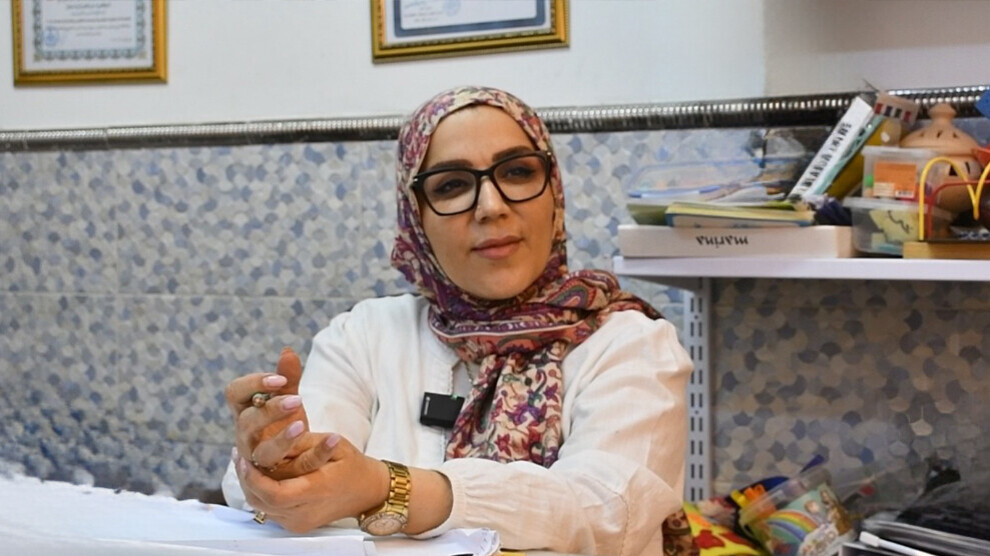
In this context, psychologist Dr. May Zaki spoke about the reality of mothers' mental health, noting that women today face compounded psychological and social pressures as a result of changing living conditions and increasing responsibilities placed on them.
She said the mother's role is no longer limited to caring for children and managing the household; in many cases, she now combines multiple roles — mother, educator, worker, caregiver, and the one responsible for following up on her children's education and meeting the family's needs — leading to an accumulation of psychological strain.
She explained that these multiple roles create a constant feeling in women that they are expected to provide everything for every family member, which can lead to exhaustion, anxiety, and at times a sense of helplessness.
She added that Iraqi society has gone through difficult conditions over past decades — wars, crises, and conflicts — and that these experiences have left deep psychological effects on many women, noting that some mothers carry old fears and experiences that are reflected in how they interact with their children.
She pointed out that some cases show excessive protectiveness toward children driven by persistent fear and anxiety, where a mother believes that having complete control over her children's lives is the best way to protect them, while such behaviors may actually be linked to earlier psychological experiences that were never addressed.
Dr. Zaki noted that some mothers who lived through the years of the embargo or the period following 2003, with its harsh accompanying events, carry psychological burdens that manifest as persistent fear or a loss of a sense of safety.
She stressed that ongoing anxiety can develop into psychological disorders that affect a woman's life and her relationship with her family, emphasizing the importance of seeking help from specialists when needed, and not treating psychological suffering as something that must be hidden or endured in silence.
Regarding postpartum depression, she explained that this condition requires attention and care, and that ignoring its symptoms can allow the problem to persist and affect the mother's life and her ability to care for her child, urging women to consult mental health specialists when concerning symptoms appear.
She called for promoting a culture of shared responsibility within the family, so that household duties and child-rearing are not a burden on the mother alone, stressing that supporting women's mental health directly reflects on the stability of the family and society.
She also called for increasing mental health awareness campaigns through schools, health institutions, and civil society organizations, in order to spread knowledge about ways to cope with psychological pressure and the importance of early treatment.
The mental health of the Iraqi mother remains an issue tied to the stability of the family and society. A mother who carries heavy burdens needs support and appreciation — not simply more demands to endure. Between the responsibilities of the present and the memories of the past, many women need space to care for themselves and to seek help when needed, because protecting the family also begins with protecting the mother's mental health.