
Women driving cars in Yemen... Between a law that permits and societal restrictions
In Yemen, women driving cars is not merely a traffic issue but a broader struggle over women's position in the public sphere, as every woman behind the wheel confronts deeply rooted stereotypes about social roles.
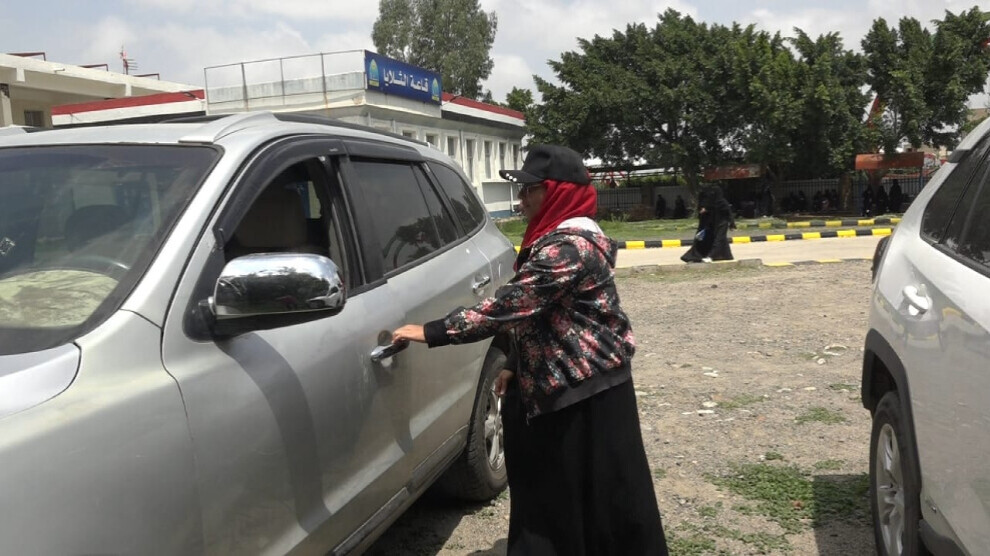
Rahma Shanzour
Yemen — On paper, Yemeni law does not prohibit women from driving cars or obtaining a driver's license officially, without any discrimination between women and men in this right. However, social restrictions remain the biggest obstacle for many women who wish to drive.
In many areas, traditions override legal texts. There, women drivers face a different reality governed more by society's view than by laws, where a woman is tested daily not only as a driver but as an idea that contradicts what some are accustomed to.
The challenges do not stop at society's view; they extend to direct comments on the street, questioning of driving ability, and sometimes verbal harassment that increases the psychological pressure on women drivers. This occurs in a traffic environment that already suffers from poor organization and lack of discipline in some areas, making the experience even more complex.
In this report, we document testimonies of Yemeni women who chose to drive despite the scrutiny, and they recount the details of the harassment they face in a society still in the process of accepting the idea of "a woman behind the wheel."
Daily harassment on the street
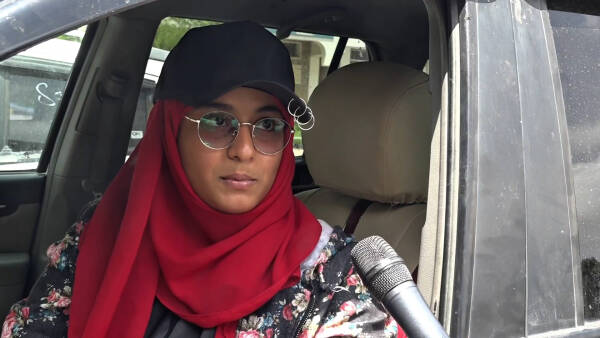
Ishraq Ahmed, a Yemeni citizen who regularly drives her car, says she faces repeated harassment because of her driving and has become accustomed to hearing hurtful comments while driving. "I face a lot of harassment because of my driving in Yemen. Some young men say that a woman's place is at home and she should not go out."
She adds that the main problem is not related to driving ability itself but to society's view. "Driving is neither forbidden nor shameful for a woman, and it is not exclusive to men. Women can drive and do many things."
She points out that the problem is exacerbated by the lack of an organized traffic system, as some inexperienced beginners may drive in crowded areas without sufficient experience, which increases criticism. "Some people say, 'How can a woman drive?' even though there are women with experience who drive very well. But on the other hand, there are beginners, and some of them may drive in crowded areas without sufficient experience, and with the absence of an organized traffic system in Yemen, some problems occur, which increases criticism."
Gradual development
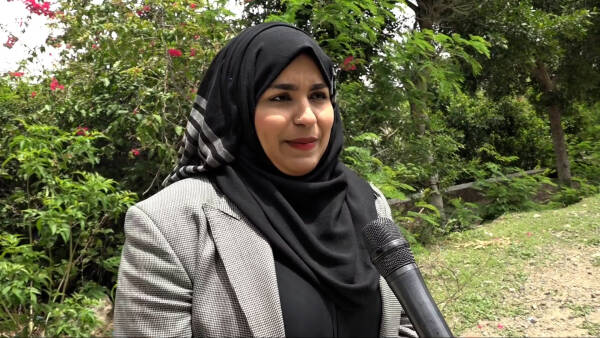
For her part, journalist Sally Al-Makhlafi believes that women's driving has begun to witness notable development, but it still faces societal challenges. "There are many women who now own cars and drive them, and this is clear progress." She says, "Society is still not fully accepting of the idea of women driving cars, and some see them as more prone to confusion or fear in difficult situations."
Sally Al-Makhlafi considers that the issue "is linked to society's view of women in general. If society does not accept women working or participating in public life, then it is natural that it also rejects their driving of cars."
Double standards
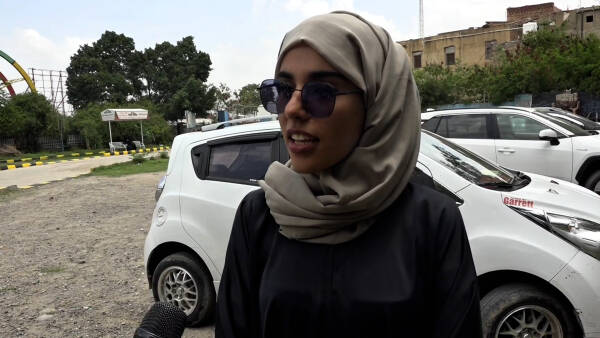
University student Ma'ali Ahmed describes a reality she lives daily, manifested in the clear contradiction in how driving mistakes are treated. "A man may be forgiven if he makes a mistake in driving, while a woman is criticized more harshly. There is a preconceived judgment against her, as if she is unqualified from the start."
She adds that Yemeni society "generally does not accept a girl driving, even if she knows how," pointing out that humiliating comments such as "you don't know how to drive" or "your driving is bad" have become familiar to women drivers.
However, the testimonies of women indicate that change, though slow, has begun to happen. The spread of education, women's entry into the workforce, and changing lifestyles in cities are all factors contributing to gradually reshaping the traditional view.
Between acceptance and rejection, women's driving in Yemen remains an open space for discussion, reflecting a society in a transitional phase between the past and change, between what is familiar and what has become a new reality imposing itself on the roads every day.