
What Celebration are they talking About?... A Tunisian worker Reveals the other face of Women’s day
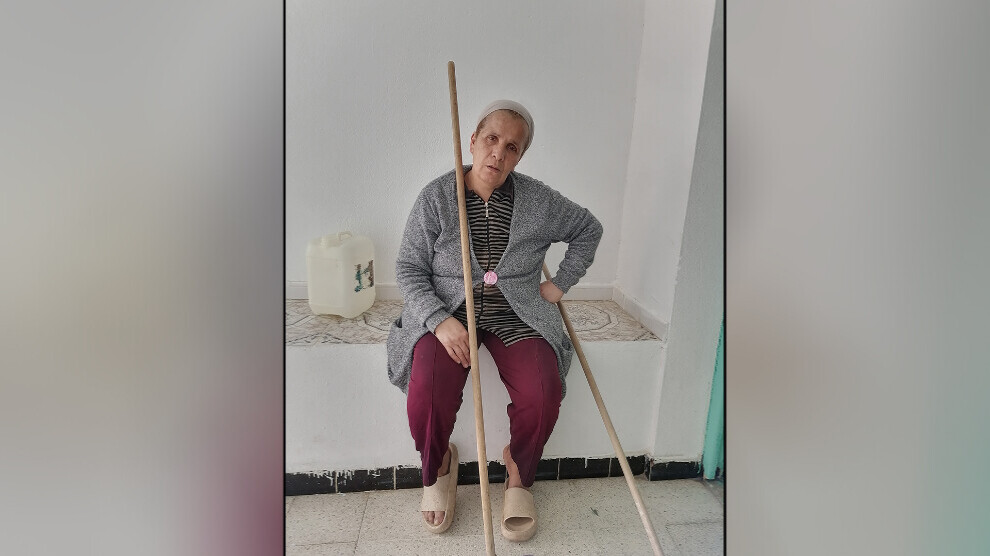
For Mahjuba Ben Nsir, March 8 is not a celebration, but just another day of hard work_ one that reminds her that society has yet to grant her the dignity she deserves.
Ikhlas Al-Hammrouni
Tunisia — Every year on March 8, the world celebrates women—a day that is supposed to honor their efforts and contributions to society and recognize their rights and dignity. However, reality is very different for many women, especially those working in physically demanding jobs that offer them nothing but exhaustion and hardship, with only meager wages in return, while celebrations and flowers are displayed far from their daily realities.
A Daily Life Filled with Hardship
Mahjuba Ben Nsir, a woman in her fifties who works as a cleaning worker, tells a story that reflects the harsh daily life experienced by thousands of working women. Day after day, with every step and every space she cleans, and with every stair she climbs, she struggles to earn a living for herself and her children.
She rents a house but cannot always afford the rent, and her salary barely covers basic needs. She explains that her life swings between people who show compassion and help her and others who treat her harshly, as if poverty brings with it forms of injustice that only those who live it truly understand.
Mahjuba describes the nature of her work, saying that every Sunday she goes to clean apartment buildings, climbing four floors, wiping dust, and collecting trash. The effort, she says, is great while the pay is very small. Some homeowners treat her with contempt or refuse to pay her wages, which makes her daily circumstances even more difficult.
March 8: Just Another Hard Working Day
Regarding the symbolism of March 8, Mahjuba says it carries no special meaning for her; it is simply another working day like any other. She explains that International Women’s Day does not change anything in her reality. For her, the day only means hours of exhausting work for a small amount of money that barely helps her pay the rent.
She adds:
“I do not celebrate this day. On this day I clean these buildings, because if I stop working, I will not earn any money.”
She stresses that living conditions are harsh for women, who take any available job just to secure their daily bread.
“Sometimes I collect bread bags and sell them just to get a little money,” she says, explaining that rising prices have deprived women of many basic necessities.
“Symbolic Celebration”
Mahjuba returns to speak about Women’s Day, saying that for her and women like her, the day holds no celebratory meaning. She reflects deeply:
“When I find good food and new clothes, and when my social conditions improve, only then can I celebrate Women’s Day.”
Until that day comes, March 8 remains for her just another working day—a day that reminds her of the harsh reality she lives.
Mahjuba’s story, with all its pain and daily details, mirrors the lives of many working women in Tunisia. Her voice echoes the voices of countless women demanding social justice, recognition of their efforts, and the right to live with dignity—far from symbolic celebrations and empty gestures.
Until then, Mahjuba’s hopes remain suspended: lower living costs and the reopening of factories to provide jobs for unemployed youth, including her son.
It is worth noting that every year on March 8, women take to the streets to affirm that the struggle for their rights must continue. While they mark this symbolic day, they emphasize that every day should be a day for women.