
More than 75% of Afghanistan’s Population Faces Severe Livelihood Insecurity
A new UNDP report reveals over 75% of Afghans face severe livelihood insecurity, highlighting the deepening economic and social crisis since the Taliban’s return to power.
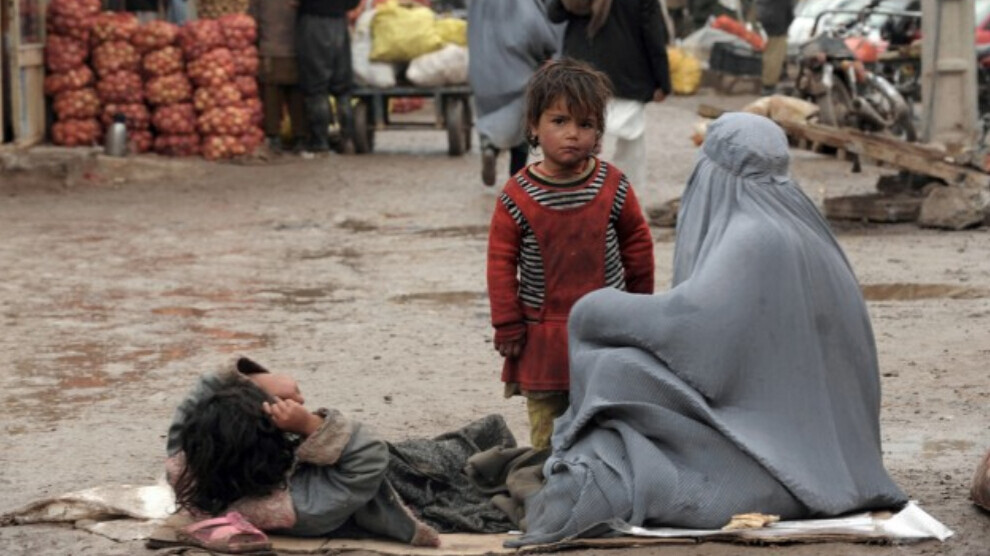
News Center – Amid the economic and social crisis that has gripped Afghanistan since the Taliban’s return to power, poverty and deprivation are worsening at an alarming rate. Many families face daily struggles to secure food and healthcare, deepening the country’s humanitarian vulnerability and placing the future of Afghan society before serious challenges.
In a report released yesterday, Wednesday, February 11, UNDP confirmed that more than three-quarters of Afghanistan’s population suffer from severe livelihood insecurity, highlighting the magnitude of the economic and social crisis that has intensified since the Taliban regained control.
The report noted that living conditions are deteriorating rapidly and alarmingly, particularly among women and female-headed households, amid strict restrictions on education and employment opportunities. It explained that women’s participation in the labor market does not exceed 7%—one of the lowest rates globally. Meanwhile, 88% of female-headed households lack access to basic needs, including food, healthcare, education, and adequate housing. In practical terms, most of these families struggle daily to secure the minimum requirements for survival.
The report emphasized that policies adopted by the Taliban since August 2021 include banning girls and women from pursuing higher education, as well as preventing them from working in many sectors, including civil society organizations and several international institutions.
It further clarified that these measures have not only affected social and rights-related aspects but have also had significant economic consequences. They have reduced the size of the workforce and sharply increased poverty rates. The report warned that excluding women from education and employment threatens the future of entire generations and further weakens a national economy already suffering from frozen foreign assets, declining investments, and shrinking international aid.
A report issued by the United Nations Security Council in late December 2025 stated that Taliban policies toward women result in annual economic losses exceeding one billion dollars, due to the exclusion of half the population from active participation in production and development.
The report described the conditions of women and girls in Afghanistan as “dire,” noting that eight out of ten women are deprived of the right to education, employment, and vocational training, further deepening the country’s social and economic crisis.
According to observers, this reality reflects a vicious cycle of decline: lack of education reduces future employment opportunities; lack of employment exacerbates poverty; and poverty, in turn, limits access to essential services—intensifying the humanitarian crisis in a country where a large portion of the population depends on external assistance.
The UNDP report stressed that addressing the crisis requires lifting restrictions imposed on women and reintegrating them into economic and educational life, considering this a fundamental condition for achieving any sustainable recovery. It also emphasized the need for continued international support, with a focus on the most vulnerable groups, particularly female-headed households.
Afghanistan’s future remains tied to its ability to harness the full potential of its human resources. However, the continuation of current policies threatens further decline and places the country before development and humanitarian challenges that could persist for many years to come.