
Kurdish Women Between Assassination and Resistance… A Struggle That Never Fades
Thirteen years after the assassination of Kurdish women politicians in Paris, the perpetrators remain unknown, while Kurdish women and journalists continue striving to uncover the truth and defend women’s rights.
Sulaymaniyah — The assassination of Kurdish women politicians Sakine Cansız, Fidan Doğan, and Leyla Şaylemez, which took place in Paris on January 9, 2013, continues to raise many questions thirteen years later. To this day, the real forces that planned and carried out the triple assassination have not been revealed, and the truth remains obscured. Nevertheless, women persist in their struggle to expose and denounce the powers behind massacres targeting Kurdish women.
The fundamental motives behind the Paris massacre lie in extreme nationalism and chauvinism. States that build their existence on the suffering of other peoples fear the free will of women, and therefore resort to killing and assassination. Women who carried their culture, language, and history through their struggle became a source of concern for these repressive regimes.
For many years, a policy of assassinations has been practiced against Kurdish women activists. The assassinations of Nagehan Akarsel and Hevrin Khalaf fall within the same context. Free journalists and media workers have played a pivotal role in exposing these crimes and conveying the truth to public opinion, defying attempts at obscuring and misleading the facts.
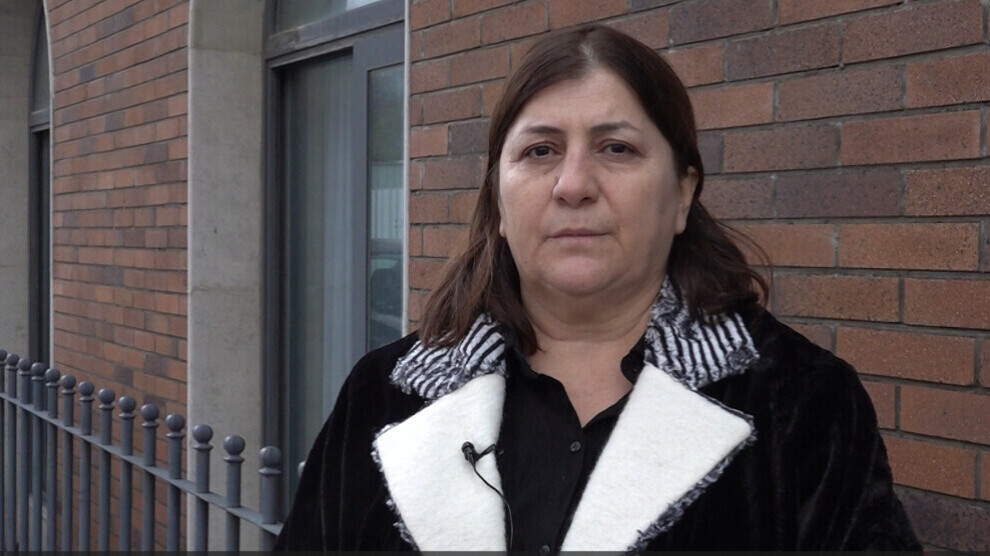
Women’s rights activist and journalist Bîkard Mohammed Hami explained that Kurdish history is filled with incidents of political assassinations, where many citizens and revolutionary figures were directly targeted. She believes that future generations will face similar conditions and will witness the continuation of these practices.
She emphasized that women continue to form a fundamental pillar in various political and economic fields and persist in developing their capacities and strengthening their presence.
“Journalists, through their media work, strive to uncover the reasons and methods behind assassinations committed against society and to deliver the truth to the public,” she said.
She stressed that learning about the details of assassinations targeting Kurds anywhere in the world is an urgent necessity, so that the world becomes aware of their motives and backgrounds.
“The growing awareness of women regarding political events and assassination crimes contributes to strengthening their power and role in confronting these challenges,” she added.
She noted that the history of assassinations repeats itself across time.
“Many Middle Eastern countries experience waves of extreme violence during wars, and the interaction of multiple cultures constitutes an additional factor in the rise of assassinations. This applies to many assassinations targeting Kurds abroad, including the first Paris massacre that targeted a group of women activists fighting for freedom.”
Bîkard Mohammed Hami also pointed out that journalists—especially women working in free media—have played a prominent role in exposing the details of these crimes and conveying them to the public. The remembrance of these assassinations committed against women activists remains alive to this day.
In conclusion, she affirmed that women, through their work on women’s issues and the development of their capacities, are able to convey women’s voices to society, helping to reduce assassinations targeting them.
“Media coverage showed wide participation by women in Paris in organizing protests and anti-assassination campaigns aimed at pressuring authorities, holding them accountable, and preventing the recurrence of such crimes,” she said, stressing that raising women’s awareness within society is the most important way to confront waves of violence and extremism and to protect women from the repetition of such crimes.