
Daily Ceasefire Violations in Sweida Threaten Civilian Security
Despite international commitments to protect civilians, Sweida in southern Syria continues to face daily ceasefire violations and indiscriminate attacks in densely populated civilian areas.
Rochelle Junior
As-Sweida – Ongoing attacks by jihadists affiliated with Hayat Tahrir al-Sham have resulted in civilian casualties and extensive material damage in the Syrian city of Sweida, despite guarantees and pledges issued by sponsoring parties and states.
Civilians in Sweida continue to lack even the minimum level of security, raising serious concerns about the failure to uphold legal and moral responsibilities and casting doubt on adherence to the principles of international humanitarian law—particularly the protection of civilians and the guarantee of their right to life, security, and stability.
Serious Violations
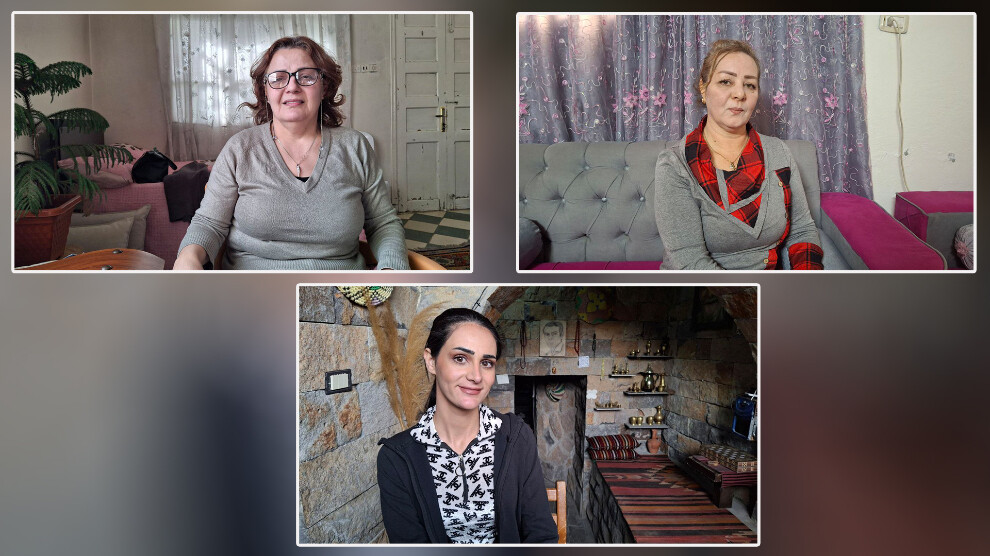
Sereen Kanj from the Secular Movement in the city of Sweida stated:
“Since the beginning of last July, we have been witnessing daily violations of the ceasefire, with casualties, material losses, and indiscriminate shelling targeting the city and residential homes. We live in a constant state of tension, with no clarity about the future of this ceasefire or the role of the guarantor states.”
She explained that these breaches are part of a broader pattern of violations affecting the city, including the burning of homes and the forced displacement of residents, which has further aggravated the humanitarian situation.
“The continuation of this reality poses a direct threat to civilian security, especially children, and undermines any possibility of long-term stability.”
She also expressed concern over the acceptance by international and regional actors of authorities accused of committing serious violations, considering this contrary to fundamental human rights principles and a reinforcement of impunity.
Lack of Security
For her part, Amal Morshed stated that residents are living in a state of near-total insecurity, despite public promises of a ceasefire and guarantees to protect civilians.
She said:
“We were promised a ceasefire and safety, but the reality is completely different. Shelling continues daily, there are deaths, and we do not feel safe even when moving to secure our basic needs.”
She noted that residents have been forced to limit their daily movements due to fear, and that “attempts by some families to return to areas near the ceasefire lines to meet their needs were met with direct targeting, leading to repeated waves of displacement, in clear violation of civilians’ right to safe housing and freedom from forced displacement.”
In addition, children in particular are suffering psychological effects due to constant exposure to the sounds of shelling and scenes of violence, with many experiencing fear and persistent anxiety. Adults also live under chronic stress and tension amid the absence of stability and a lack of trust in any official pledges.
Amal Morshed emphasized that the resilience of residents relies mainly on “local youth efforts with very limited resources, who bear a heavy burden in protecting civilians, despite the human losses they endure and the harsh living conditions.”
Repeated Violations
Meanwhile, Tima’a Al-Shaarani from the village of Al-Dour—one of the first villages entered by jihadists of Hayat Tahrir al-Sham under the label of “General Security,” causing severe suffering for residents since the beginning of the crisis—wished a speedy recovery for the wounded and the safe return of abducted men and women to their families, amid the continued deterioration of security conditions.
She explained that the declared ceasefire is being violated daily by what she described as “takfiri gangs,” involving the use of light, medium, and heavy weapons, targeting residential areas as well as National Guard positions.
She noted that these ongoing violations instill fear among civilians and force them to abandon their homes and flee to safer areas.
“Residents had displaced about seven months ago to areas far from the front lines, then gradually returned to areas close to the ceasefire line. However, the repeated violations forced them once again to migrate and flee, amid near-daily civilian deaths.”
Tima’a Al-Shaarani stressed that the main reason for the continuation of these violations is the absence of real accountability, the lack of an actual ceasefire, and the absence of a deterrent political and security cover, even indirectly.
She emphasized that the continuation of this situation will lead to further loss of life, calling for genuine local and international guarantees to stop the violations, along with international and local human rights and media pressure to halt the fighting and prevent further abuses.
“Promises alone are not enough to achieve security for the people of Sweida,” she said.
She concluded by stating that security is a collective responsibility and that accountability is the only path to peace and stability, directing a message of support to the National Guard, affirming that residents stand with them wholeheartedly. She added that the women of Sweida are ready to defend the land and dignity alongside men, expressing confidence that the determination of the people will ultimately lead to victory