
Women’s House in Qamishlo: Ongoing Empowerment Despite Security and Humanitarian Challenges
The Women’s House in the city of Qamishlo continues its efforts to protect women and children from violence, support forcibly displaced people, provide legal and social consultations, and promote awareness of women’s rights.
ASMAA MOHAMMAD
Qamishlo – Amid security tensions and complex humanitarian crises affecting the regions of North and East Syria, the Women’s House in the city of Qamishlo continues to carry out its community and rights-based role with dedication and determination.
The role of the Women’s House is not limited to providing direct support; it also includes protecting women and children, empowering them legally and socially, and promoting a culture of awareness regarding women’s rights within society.
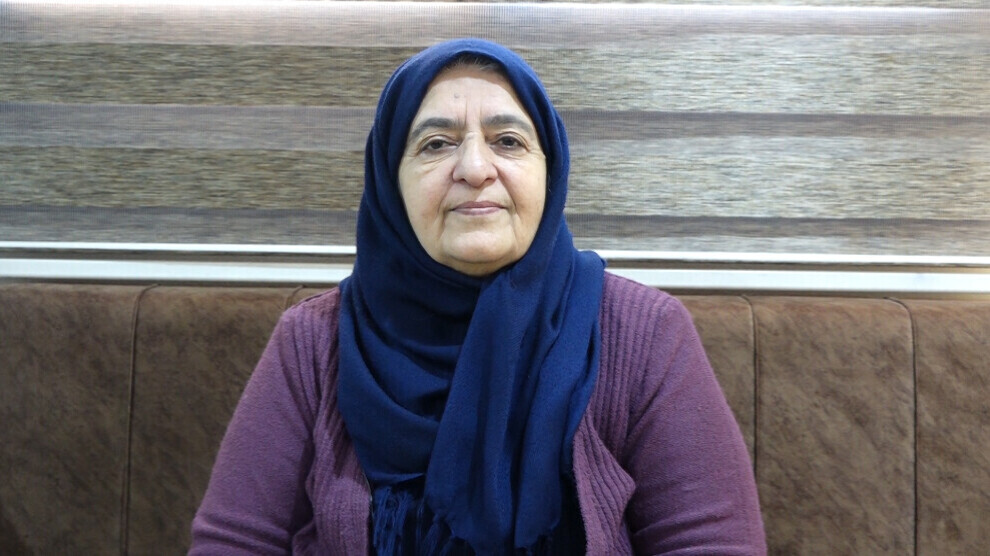
Bahia Murad, an administrator at the Women’s House in Qamishlo, stated that the institution has not stopped for a single moment from providing support and assistance to women and the local community, despite the exceptional and complex conditions the region has been experiencing for nearly a month.
“The Women’s House, in cooperation with other women’s institutions, has worked to provide comprehensive protection for girls and women exposed to violence and threats, in addition to offering psychological, social, and legal support to mothers and children, while ensuring the continuity of economic and legal rights, so that women remain at the forefront of protection and community development,” she said.
She explained that the Women’s House closely monitored the situation of forcibly displaced people who arrived in the area and provided them with comprehensive support safely and efficiently. The House’s efforts included providing shelter in displacement centers, schools, and mosques, in addition to meeting basic needs such as bedding, blankets, and household supplies, in cooperation with local humanitarian organizations.
She confirmed that work teams are distributed across all areas to ensure that support reaches everyone in need, with close follow-up on each case to ensure that no woman or girl is subjected to violence or marginalization, while providing full care and continuous follow-up for all beneficiaries.
“The work of the Women’s House is not limited to material support; it also includes legal and community protection. The House follows up on child alimony cases, provides legal consultations to mothers who do not have a stable income, and cooperates with security authorities to ensure the safety of women and girls.”
The Women’s House also communicates with women through local and international hotlines to ensure the provision of consultations and immediate assistance in emergency cases, achieving sustainable protection and preventing any violation of women’s rights.
Intensive Awareness Sessions
Bahia Murad addressed the significant awareness-raising role played by the institution, noting that the Women’s House organizes intensive awareness sessions for women about their legal and social rights, and informs them about available services and resources, including complaint mechanisms and ways to protect themselves and their children.
“These initiatives come within a comprehensive plan to enhance women’s independence and empower them to fully exercise their role in society, whether economically or socially, ensuring their effective participation in all fields,” she said.
She explained that the Women’s House works in an integrated manner with other women’s institutions, such as Kongra Star and the Women’s Authority, to preserve the achievements of the Rojava Revolution.
“Women’s participation in leadership and administrative positions according to the principle of partnership and equality (50–50) ensures the continuity and protection of these achievements, and reflects society’s commitment to the importance of women’s participation in decision-making and building a balanced and inclusive community.”
Bahia Murad clarified that the most prominent challenges facing women in the region are related to protection from violence, economic pressures, and the rising cost of living. She pointed out that women represent the beating heart of society and a fundamental pillar in building the local economy and maintaining family and social cohesion.
“The role of women in society is not a choice, but a necessity to ensure stability and progress. Women deserve all support and recognition for their vital role in all fields,” she said.
In conclusion, Bahia Murad stressed the importance of continuing cooperation between women’s institutions and civil and security bodies to ensure comprehensive support for women, protect their rights, and empower them to carry out their social and economic roles with full freedom and dignity.
“The Women’s House will remain at the forefront of institutions defending women’s rights and a key reference for every woman seeking protection, support, and equality in North and East Syria, with a commitment to humanitarian principles and revolutionary values that have made women the محور of change and a progressive society