
Afghan Women's Freedom Movement: Five Years of Repression, Yet Women's Voices Remain Unsilenced
On Taliban's fifth anniversary, Afghan women's movement declares: despite repression and rights denial, women's voices remain unsilenced in freedom struggle.
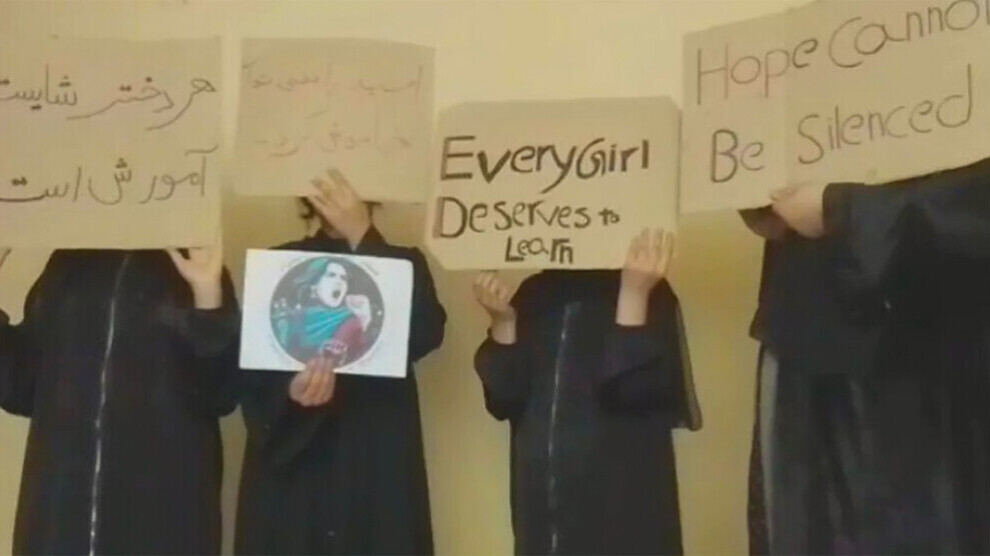
News Center — Since its return to power, the Taliban movement has imposed extensive restrictions on women in Afghanistan, including on education, employment, mobility, and social participation, leading to a sharp decline in their fundamental rights.
The Afghan Women's Freedom Movement announced today, Wednesday, August 5, as the fifth anniversary of the Taliban's return to power approaches, that despite the movement's efforts to exclude women from social spheres, the voices of Afghan women have not been silenced, and the struggle for freedom, justice, and human dignity continues.
The Movement described August 5 as the day the Taliban movement attempted to exclude Afghan women from society, but "failed to silence their voices," noting that millions of women and girls in Afghanistan have been deprived over the past five years of their rights to education, employment, freedom, and participation in social life.
The Movement also affirmed that it will confront what it described as "gender apartheid, discrimination, and systematic exclusion of women," and will continue the struggle to achieve freedom, justice, and human dignity, emphasizing the continuation of this path: "We will not remain silent because the Afghan woman's voice is the voice of freedom."
The Taliban movement regained power in Afghanistan following the fall of Kabul on August 15, 2021, and since then has imposed wide-ranging restrictions on the rights and freedoms of women and girls, including prohibiting girls from education beyond the sixth grade, closing universities to women, restricting employment opportunities, closing many civil society organizations, and limiting women's presence in public spaces.
These policies have been met with widespread backlash from protesting women, human rights organizations, and the international community, and many international organizations have considered them an example of "gender apartheid."
As the fifth anniversary of the Taliban's return approaches, numerous women's protest movements within and outside Afghanistan have issued statements and organized marches, affirming the continuation of the struggle for freedom, justice, and women's rights.