
Violence Against Women in Egypt... Escalating Crimes and Shifting Patterns Amid Ongoing Challenges
Despite government efforts and community initiatives to curb violence against women, the phenomenon remains one of the most complex social issues, shaped by intertwined economic, cultural, and legislative factors influencing its scale and patterns.
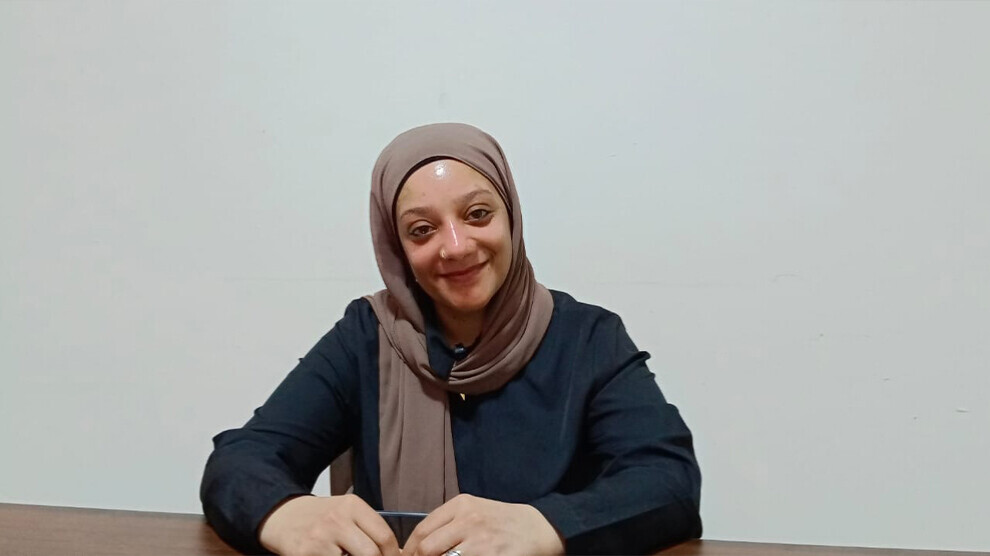
ASMA FATHI
Cairo — While relevant institutions work to develop protection and support mechanisms, reported incidents reveal that women and girls continue to face multiple forms of violence, ranging from verbal and physical abuse to killings and digital violence. The seriousness of the phenomenon is not limited to the number of reported cases, but extends to the changing nature of the crimes themselves, which continue to evolve alongside social and technological shifts.
In recent years, new patterns of abuse have emerged, such as digital extortion and human trafficking, posing additional challenges for law enforcement and civil society organizations, and creating an urgent need to develop tools for monitoring and addressing these crimes.
Killings Top the List
In an attempt to map out the features of violence against women during the first half of 2026, this report examines the most prominent patterns of crime that emerged during this period and the factors driving their rise, through an analytical discussion with Shaimaa Fikry, director of the Gender-Based Violence Monitoring and Research Unit at the Idraak Foundation for Development and Equality, who reviewed the key challenges facing efforts to curb this phenomenon.
Shaimaa Fikry explains that killings topped the incidents recorded by the observatory, alongside rising cases of human trafficking and digital extortion, as well as a growing number of cases involving children under 18, whether as victims or as accused perpetrators. She believes these indicators reflect a clear shift in the nature of these crimes, requiring the development of response mechanisms suited to this transformation.
She adds that society is undergoing rapid changes that directly affect the forms violence takes, stressing that understanding the phenomenon should not be limited to tracking numbers, but must extend to analyzing the social and cultural contexts driving these crimes, in order to help design more effective prevention policies.
This shift opens the door to broader questions about the factors behind the rise in violence, and whether they are linked to economic conditions alone, or are the product of a set of interconnected factors requiring multi-level intervention.
Why Are Violent Crimes Rising?
Shaimaa Fikry believes that a number of factors contributing to the rise in violence remain unaddressed at their root, foremost among them weak coordination between official institutions and civil society organizations working on combating violence against women.
She explains that the absence of networking between different bodies means each institution operates separately, which affects the efficiency of interventions and limits the achievement of more effective results. She notes that the media plays a highly influential role in shaping public awareness of violence-related issues — in recent years, some drama series and programs have helped shed light on gender-based violence crimes and helped a number of women learn about their rights, reporting mechanisms, and the bodies they can turn to.
At the same time, however, she warns that unprofessional coverage of certain incidents can backfire, as widely circulated crimes may turn into models that get imitated, contributing to the reproduction of violence or its normalization, rather than reinforcing its rejection within society.
Shaimaa Fikry explains that analysis of the incidents the observatory tracks throughout the year shows a rise in certain crimes during periods of increased financial pressure, such as holiday seasons or the start of the school year, when financial obligations escalate family disputes, which in some cases turn into assaults with women and girls as the primary victims.
She affirms that women often bear the greatest burden of these pressures, noting that economic crises may act as a trigger that intensifies disputes, but are not the sole cause of violence, which is also linked to a culture that justifies the use of force within the family, or that allows perpetrators to escape social stigma.
Monitoring Figures Reflect Only Part of Reality
The monitoring efforts carried out by relevant institutions serve as an important tool for understanding trends in violence, but those working in this field affirm that available data does not reflect the full scale of the phenomenon, due to the continued reluctance of many victims to report.
Shaimaa Fikry explains that the Idraak Foundation's observatory has, since 2020, relied on a consistent methodology for tracking incidents published through official sources — chiefly data from the Public Prosecution and the Ministry of Interior — alongside what is reported by credible media outlets. However, she stresses that these recorded incidents represent only the cases that actually reached monitoring bodies, and cannot be considered representative of all violent crimes occurring in reality.
She attributes this to persistent barriers preventing many women from reporting, including fear of social stigma, family pressure, and the financial burdens associated with legal proceedings and travel, as well as some families' fear of scandal or their preference for resolving incidents outside official channels — particularly in cases of sexual assault or digital extortion.
She believes this gap between reality and reported incidents makes it difficult to arrive at an accurate estimate of the phenomenon's true scale, underscoring the need to develop monitoring mechanisms, encourage victims to report, and provide a safer environment for accessing support and protection.
Children: Between Victim and Perpetrator
Shaimaa Fikry notes that one of the most notable indicators tracked by the observatory during the first half of this year is a rise in the proportion of incidents involving perpetrators under the age of 18, alongside an increase in abuse targeting younger girls, noting that the 11-to-17 age group has become one of the demographics most exposed to violence.
She believes these indicators call for directing greater efforts toward children and adolescents — not only to protect them from exposure to violence, but also to prevent them from becoming perpetrators of it in the future, by instilling a culture of mutual respect and rejecting violence from the earliest stages of upbringing.
The Family: The Primary Scene of the Crime
Killings committed against women remain among the cruelest forms of violence, especially when they occur within the family or at the hands of someone connected to the victim through marriage or family ties, which compounds their social and psychological impact.
Shaimaa Fikry explains that most of the killings recorded by the observatory during the past period were committed within the family, with a husband, ex-husband, or former fiancé involved in a large number of them, noting that many of these crimes were linked to a woman's refusal to return to the relationship, or her continued pursuit of legal proceedings related to separation or family disputes.
The observatory also recorded, according to Fikry, incidents linked to causes such as suspicion of infidelity or refusal of the marital relationship — which, in her view, reflects that some of these crimes were not the result of a momentary emotional outburst, but came after stages of threats, stalking, or surveillance, ending in the use of lethal violence as a means of revenge or asserting control.
She believes the recurrence of such incidents makes it necessary to treat them as a pattern of gender-based violence, rather than as isolated criminal cases.
Normalizing Violence... More Dangerous Than the Crime Itself
Shaimaa Fikry notes that some perpetrators of violent crimes commit their acts believing that punishment will not be a deterrent, or that society will understand their motives — which contributes to entrenching a culture of impunity. She points out that some cases that stirred public opinion in the recent period saw sympathy for perpetrators or attempts to justify their actions, rather than a focus on victims' rights, considering that such attitudes reflect the persistence of a culture that, in some cases, justifies violence — posing a challenge no less serious than the crime itself.
Despite these challenges, she sees undeniable positive developments, including growing societal interest in issues of violence against women, and the swift response of security agencies to a number of incidents circulated on social media, even in cases where victims did not file official reports.
She affirms that the circulation of videos documenting some assaults has helped expose crimes that might otherwise have gone unpunished, and has also helped prompt law enforcement to intervene and apprehend suspects, considering that social media has, in some cases, become a tool for exposing violations, despite its potential downsides.
She stresses that reducing violence against women requires action on multiple levels simultaneously — starting with strengthening coordination between different institutions, moving through legislative amendments that support women's protection, and extending to expanding awareness programs targeting all segments of society.
Shaimaa Fikry, director of the Gender-Based Violence Monitoring and Research Unit at the Idraak Foundation for Development and Equality, also calls for using monitoring findings to design field interventions responsive to the specific nature of problems in each region, noting that the observatory has previously carried out specialized awareness campaigns in a number of cities after detecting a rise in certain crimes, such as digital extortion — reflecting the importance of linking data to real-world response.
The indicators tracked by those working on combating violence against women reveal that the phenomenon continues to take on increasingly complex forms, driven by interconnected factors that go beyond the economic dimension to include societal culture, protection mechanisms, legal responses, and the level of public awareness.