
Tunisian Activist: Combating Violence Begins in Student and Youth Environments
The escalation of violence rates necessitates a comprehensive approach starting from educational institutions and youth student circles, considering them essential spaces for awareness and instilling values.
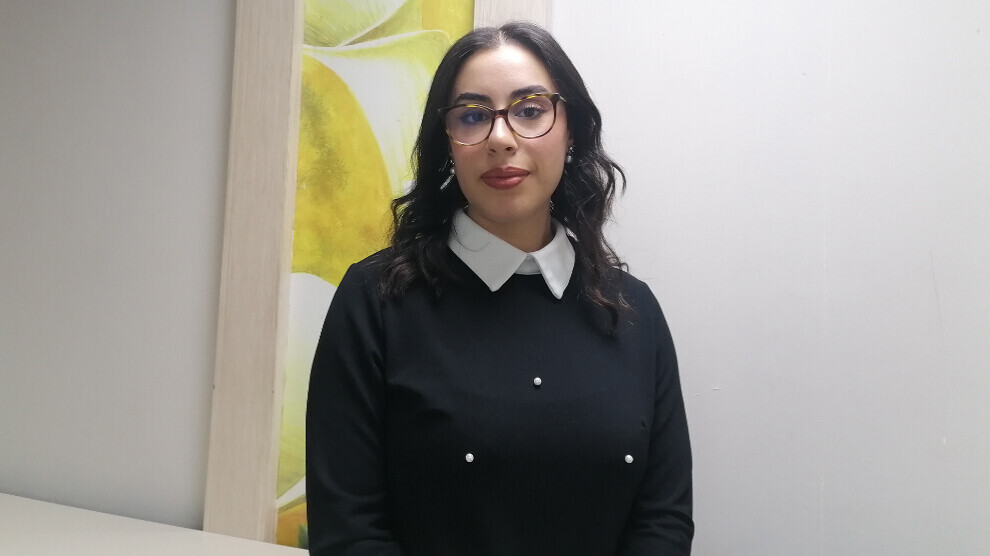
Naziha Bousaidi
Tunis – Civil society is focusing its intensified efforts on the capital and Greater Tunis, while other regions lack awareness initiatives. Curbing the escalation of violence against women begins with instilling values and principles within educational, academic, and youth environments.
Women's associations and civil society organizations are working to reduce violence against women, but their efforts face numerous internal challenges within these institutions as well as societal challenges related to how families interact with these activities.
Feminist activist Kamar Al-Zayadi states that the role of associations is not limited to public awareness but also includes supporting youth and children in confronting violent phenomena in both the capital and other regions.
She emphasized that "focusing activities in major cities should not make us forget the suffering of other regions, where awareness campaigns remain limited due to geographical distance and weak material resources that prevent associations from regularly reaching all areas."
Regarding effective ways to reduce this phenomenon, she indicated that it is necessary to focus on educational curricula and teach children and youth that violence is unacceptable and how to treat women. The ministries responsible for education, higher education, vocational training, culture, health, youth and sports, childhood and women's affairs, and religious affairs must take all measures to protect women from violence and combat it within their institutions.
She pointed out that violence is not limited to public spaces but also includes virtual violence practiced by some behind screens using pseudonyms, as well as violence within educational spaces among children and adolescents or between youth and adults.
Kamar Al-Zayadi considered that what was mentioned above reflects a dangerous decline in moral values across various groups. Regarding the implementation of Law No. 58, she explained that since 2022, the network has been working on training programs for male and female trainers in the legal and psychological fields, aiming to break stereotypes and enhance their capabilities in dealing with cases of violence encountered by students and youth.
Guideline
She mentioned that a guideline has been prepared for youth center and cultural center officials to help 20 male and female trainees raise awareness and confront violence within youth and cultural centers.
She explained that this guideline was prepared for the benefit of youth and cultural center supervisors and活动 organizers in the field of combating violence and discrimination against women, implementing the joint project between the Euro-Mediterranean for Rights, Together for Citizenship and Change Association, and the regional delegations for youth and cultural affairs in the governorates of Tunis, Ariana, Manouba, and Ben Arous.
Regarding the importance and objectives of the guide in combating violence against women, Kamar Al-Zayadi said: "Tunisia is witnessing recurring women's murders that hide behind them a series of violence inflicted on women, despite the mechanisms provided by Law No. 58 to protect women and girls victims of violence and to punish perpetrators. This confirms the necessity of working to educate community members about the danger of violence against women and girls, spread the culture of women's human rights, and dismantle traditional stereotypes about women and their multiple roles that embed all forms of discrimination and violence against them. This is achieved through various means such as religious discourse, media, educational curricula, family upbringing, research centers, scientific studies, as well as intellectual, recreational, and educational activities."
The Tunisian feminist activist concluded her remarks by stating that the guide will serve as a reference document to introduce them to the importance of their role in combating violence against women and girls, especially since they target the youth group capable of changing their practices and understanding of human relationships, particularly the relationship between men and women, and capable of being future role models in the field of gender equality.
Themes of the Guide
The guide is divided into three main themes. The first theme concerns the concept and functions of facilitation, including openness, social communication, integration, social adaptation, recreation, and education. The second theme relates to the gender approach in the field of facilitation through training exercises on distinguishing between gender and sex, and understanding the concept of gender.
The third theme concerns the role of youth and cultural facilitation in combating violence against women, because culture works to reshape societal values and perceptions and dismantle stereotypes that reinforce women's inferiority. Meanwhile, youth are considered a dynamic group susceptible to new knowledge and practices, making them a key agent of change at behavioral and societal levels. Through joint activities in these centers, arts, media, workshops, and interactive activities can be employed to provide educational and experimental spaces that allow youth to practically experience equality and transmit it to their communities.
The final message carried by the guide is that a future free of violence is not a distant dream but rather the fruit of today's facilitators' efforts and their sincere will to protect future generations.