
Crimes of Violence Against Children in Syria Are Recurring... Where Is Protection and the Law?
Rising child violence in Syria demands addressing it as a societal issue with legal and psychological protection,and safe spaces for children to disclose without fear or stigma.
ROSHELLE JUNIOR
As-Sweida — For about a year, Syria has witnessed an increase in news and stories related to violence, exploitation, and abuse against children, amid the absence of a clear and effective reference for the child or their family to turn to when abuse occurs. With the recurrence of these cases, the issue no longer appears as isolated incidents, but as a phenomenon that calls for examining its psychological, social, and legal causes, and raising a fundamental question: who protects the child when the source of danger comes from within their own environment?
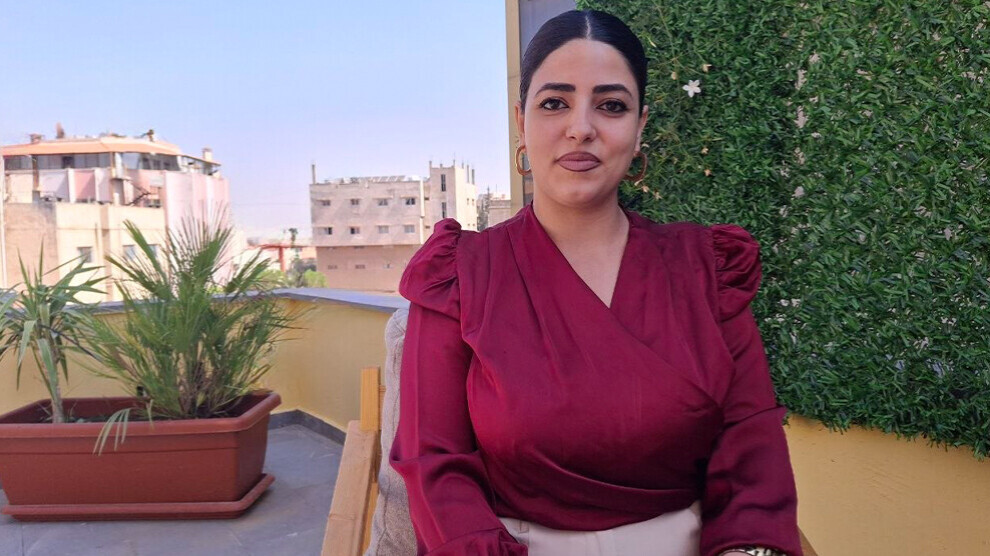
Clinical psychologist Rim Al-Ghajari believes that the recurrence of these crimes requires addressing them as a pattern that demands attention and treatment, rather than treating each incident as an isolated case. She explains that children are often the weaker party, as the abuser exploits the child's trust, fear, or inability to express themselves, making awareness, dialogue with the child, and attention to any behavioral changes among the most important means of protection.
She points out that war, poverty, displacement, and family disintegration place children under deep psychological and social pressures, potentially increasing their vulnerability to violence and exploitation, especially when surrounding protection and support networks weaken. She also warns of the danger of considering violence an acceptable means of discipline, as normalizing violence makes detecting abuse and intervening to protect the child more difficult.
She notes that society has recently witnessed an increase in stories related to child abuse, including cases of sexual assault within the home or by individuals close to the child. She believes that the danger of these cases is not limited to the victim alone, but its effects extend to other children who hear these stories and to society as a whole, especially in the absence of a clear safety line or a known entity the child or family can turn to.
Abuse Does Not End with the Victim
As Rim Al-Ghajari mentioned, the issue of child sexual abuse cannot be reduced to a relationship between "perpetrator and victim," as it is a societal issue with long-term psychological and social effects. She affirms that the perpetrator may have deep-rooted psychological, familial, and behavioral issues that need understanding and study, but understanding the causes does not mean justifying the crime or absolving the perpetrator of responsibility.
Conversely, the abused child suffers from social stigma, pressure, and fear of accusation, which may drive them to silence and non-disclosure. Rim Al-Ghajari believes that dealing with the victim should be based on protection, listening, belief, and support, rather than holding them responsible for what they endured.
She warns of the danger of silence within the family, stating that a child living in an environment of fear and repression may not be able to speak about what they are experiencing, even when they feel danger. Therefore, protecting the child begins with creating a safe space where they can speak without fear of punishment or blame.
The "Nour" Case Raises the Question of the Law
Rim Al-Ghajari refers to the case of the child Nour Al-Dous, which stirred public opinion, as an example of the danger of treating violence within the family as a means of discipline, leading to tragic outcomes.
In this context, she raises a question about the legal reference that is supposed to protect the child: where can the child or their family turn when abuse occurs? And which entity is responsible for their protection and following up on the case?
She believes that reducing such issues to individual revenge or vigilantism is unacceptable, and that what is required is a clear law, protection mechanisms, and institutions capable of intervening before assaults escalate into more serious crimes.
She adds that the concept of "disciplining a child" cannot be used as a justification for violence, questioning the boundary between discipline and violence, and the legal responsibility when so-called discipline leads to harming or killing the child.
The Need for a Clear Reference
Rim Al-Ghajari emphasizes that addressing this issue requires more than a temporary reaction to an incident that makes headlines and then fades. What is needed is the establishment of real child protection centers and mechanisms—not just institutions that carry the name without actual capacity to intervene and follow up.
She believes that the responsibility of protecting children is not the family's alone, but a societal responsibility that includes the father, mother, siblings, school, institutions, and those working with children, especially given the recurrence of news related to violence and exploitation.
She stresses the necessity of having a "fixed place" children and their families can turn to, because the issue is not a file opened when a crime occurs and then closed; it is a problem requiring long-term follow-up, given the psychological and social effects it leaves on children and society.
Fear of News Does Not Reduce Danger
Rim Al-Ghajari warns that the frequency of news about child violence crimes—especially when repetitive and frightening—may increase anxiety levels and weaken children's sense of safety.
She calls for following such news with awareness, not exposing children to details beyond their psychological capacity to bear, and focusing on awareness rather than intimidation.
Rim Al-Ghajari summarizes her message to parents and society: not to underestimate any sign of fear or sudden change in a child's behavior; to provide a safe space for them to speak without blame or threat; and to teach them that seeking help is not shameful. Protecting a child begins with listening to them and believing them, then providing a safe entity and clear law they can turn to before fear and silence turn into tragedy.