
Blaming Victim Instead of Perpetrators: Controversy Over Child Yaqeen's Case
Tunisian activist Dhouha Klali said Yaqeen's case revived victim-blaming, noting discussion went beyond demanding accountability for aggressors to burdening the child and her mother with responsibility.
NAZIHA BOUSAIDI
TUNISIA-The case of the Tunisian child “Yaqeen” brought the debate about the phenomenon of victim-blaming and its social and psychological effects back to the forefront, amid calls to stop discourses that justify violence or search for its causes in the victim’s behavior, and focus instead on holding those responsible for the crime accountable.
The case of the 15-year-old child Yaqeen sparked a wide wave of anger and sympathy in Tunisia, after she was subjected to sexual assault by a group of young men, which necessitated her transfer to the hospital for treatment. With the escalation of demands to hold those involved accountable, a discourse emerged on social media holding the victim and her mother responsible for what happened, by criticizing some of their daily choices and the way she was raised.
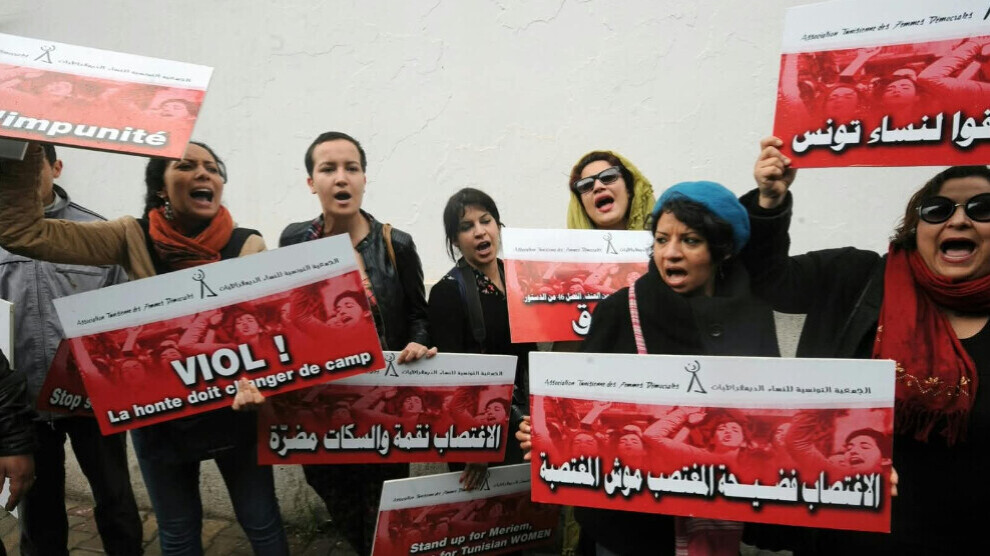
These comments were met with widespread criticism from women's and human rights activists and organizations, considering that focusing on the child's behavior or her mother's decisions diverts attention from the crime and the responsibility of its perpetrators, and entrenches the phenomenon of victim-blaming in cases of sexual violence.
In this context, the Equality and Women's Rights Front issued a statement titled "Justice for Yaqeen... Not to Justify Sexual Violence and Blame Women," in which it expressed its solidarity with the child and her family, and called for her protection, ensuring the necessary care for her, and preserving her privacy, confirming that responsibility falls on the aggressors and the state's duty to protect victims and hold perpetrators accountable.
The "Voices of Women" group also confirmed its rejection of various forms of discrimination and domination against women and girls, calling for guaranteeing their right to freedom, safety, and equality, and dealing with cases of sexual violence from the standpoint of protecting victims and holding aggressors accountable.
Women activists and human rights defenders raised the slogan "For Yaqeen, and for all women and girls: No to silence, no to justifying violence, and no to burdening victims with responsibility for what they are subjected to," in confirmation of the necessity of supporting victims and confronting the culture of justifying violence.
"Enough Justification"
Commenting on this, civil society activist Dhouha Klali said in a statement to our agency that cases of violence imposed on women and girls usually proceed along two parallel tracks; the first is judicial, which is supposed to end with revealing the truth and holding those responsible accountable, and which "often reaches no result due to the spread of the policy of impunity," and the second consists of a "popular trial" that is active mainly through social media, where the case becomes a matter of public opinion.
She explained that what is supposed to be a support for the victim often turns into a space for reproducing preconceived judgments, noting that many voices did not content themselves with demanding accountability for the perpetrators, but sought to burden the victim and her mother with responsibility for what happened.
She added that these positions are not isolated, but reflect entrenched patterns of thought in a number of Arab societies, based on blaming women and girls and burdening them with the consequences of the violence inflicted on them, instead of holding the aggressors accountable and addressing the conditions that allow such crimes to recur.
Dhouha Klali confirmed that burdening the mother with responsibility for what happened because she allowed her daughter to go out or entertain herself reflects a deficient understanding of fundamental rights and freedoms, and reproduces traditional discourses that blame women for their clothing, behavior, or going out into the public space.
She noted that this logic leads to a closed circle in which the victim becomes the first accused, while the real causes of violence are ignored, including impunity, the spread of drugs and crime, the growth of manifestations of violence in various forms, alongside failures related to upbringing, education, and social policies.
She stressed that victims need care, support, and solidarity, not more psychological pressure and social stigmatization, calling for stopping all forms of justifying violence and covering up the crime. "Confronting these phenomena begins with siding with the victims and defending their right to justice and dignity."
This case raises deeper questions about the spread of the culture of victim-blaming in crimes of sexual violence, and the extent of its impact on opportunities for achieving justice, at a time when calls are increasing to transfer the discussion from trying victims to holding perpetrators accountable and addressing the structural causes that allow such violations to recur.