
“The Long-Haired Army” … A Story of Women’s Resistance in the Vietnam War
During the Vietnam War, approximately one million women joined guerrilla and self-defense forces,known as the “Long-Haired Army,playing a decisive role in resistance and post-war reconstruction.
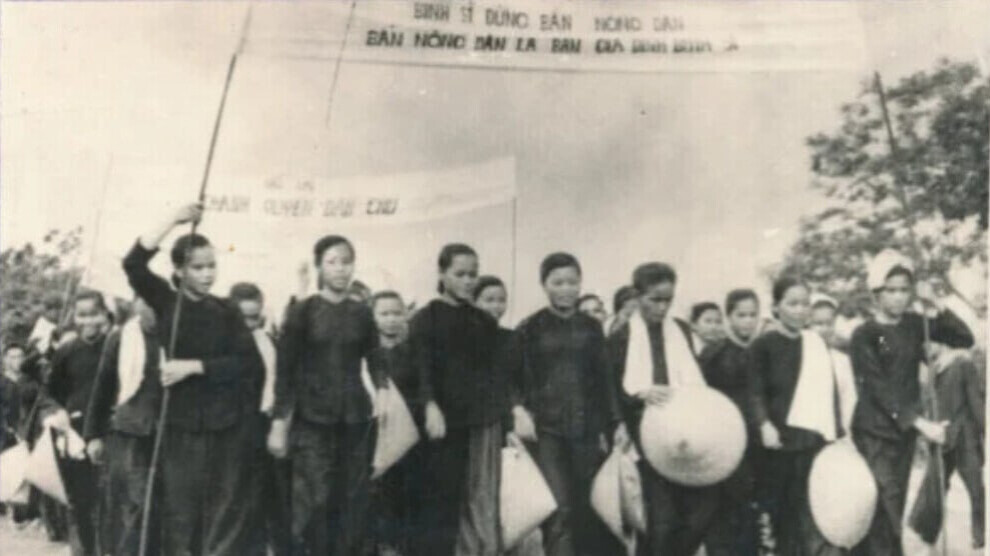
News Center — Vietnam's modern history has been shaped by the powerful role women played during the war and social transformation. After the struggle against French colonialism, women became among the most prominent participants in armed resistance during the war against the United States, as well as in maintaining social cohesion and resilience.
With the establishment of communist rule in North Vietnam, policies were implemented aimed at increasing women's participation in practical life, and laws were introduced to combat child marriage and forced marriage. However, women's struggle was not limited to social rights; under harsh war conditions, thousands of women took up arms, joined self-defense units, and became part of the guerrilla warfare.
Over time, these women became known as the "Long-Haired Army," with approximately one million women participating in various forms within this force, which became one of the most important elements of resistance in South Vietnam. While women fought under bombardment, they simultaneously worked to keep transport routes open, carried out logistical tasks, and contributed to the defense of residential areas.
Women of the Ho Chi Minh Trail
The Ho Chi Minh Trail, stretching from North Vietnam to the South, with a large part passing through Laos, was an intensive bombing target throughout the war. Despite this, women's units, particularly young women, made great efforts to keep the trail usable.
Road repairs, filling bomb craters, and reopening transport routes were tasks often carried out while attacks were ongoing.
Women Participated in Reconstruction
Women's role did not end with the war; they continued their participation during the reconstruction phase, working in many fields—from production and agriculture to mine clearance and reorganizing daily life.
The area surrounding the Ho Chi Minh Trail in Vietnam and Laos still retains structures bearing the marks of war, demonstrating women's creativity and resilience. Bomb casings from the war were used to build homes and crop stores, while aircraft parts were converted into fishing boats.
The use of military helmets as flower pots also became one of the symbols embodying the transformation of war tools into means of life and peace during the post-war period. Women's teams also participated in mine clearance, waging a battle against the deadly legacy left by the war.