
The Indian Village of "Piplantri"... The Story of Turning a Dry Patch into a Green Forest in Celebration of Girls
From grief over losing a daughter, an initiative changed Piplantri, Rajasthan: planting 111 trees per newborn girl became a women-led green revolution elevating girls' value.
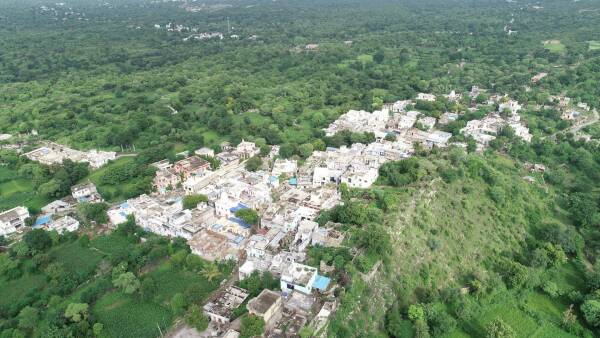
NEWS CENTER – The village of Piplantri, located in the Rajsamand district of the Indian state of Rajasthan, is considered one of the most famous global models in environmental preservation, women's empowerment, and the protection of girls. This village became famous for its unique model that links the protection of nature with the fight against discrimination against females.
The Indian village of Piplantri embodies an exceptional model that links environmental protection with women's empowerment, as its residents commit to planting 111 trees in celebration of the birth of each new girl. This inspiring initiative, which began with a devoted father's effort, turned into a pioneering social movement that believes that "girls are the renewal of life."
A cinematic film documents this unique experience, opening its words with a profound wisdom: "Cutting down trees angers nature, and abandoning girls plunges society into darkness. Rivers, forests, and women are the lifeline, and protecting them is not just an option, but a collective responsibility incumbent on everyone."
This historic initiative was launched in 2006 by the former village head, Shyam Sundar Paliwal, following the tragedy of the death of his young daughter "Kiran," who was loved among the residents. Under the weight of deep sorrow, the father made a decisive decision in cooperation with the village residents to ensure the care of girls and elevate their value, and to transform his tragedy into a force that revives nature and society.
This solidarity was embodied in planting 111 fruit-bearing and diverse trees with the birth of each girl, a number that carries in their beliefs a sacred symbolism for blessing and success. Through this continuous tradition, the women of the village proved that the birth of a female is not a burden but a new beginning and a celebration of life, making Piplantri a global model that integrates social awareness with environmental protection.
Stopping Early Marriage
This struggle, led by women, contributed to changing the prevailing social norms against girls. They pledged not to marry off their daughters before they reach the age of eighteen and not to deprive them of education. Under these circumstances, families were forced to collect donations to secure the future of their daughters, so a project was established for this purpose. To protect the forest from drought and insects, cactus plants were planted around it. At the same time, to achieve economic gains, women made natural medicines and creams from these herbs, providing them with an independent source of income.
Thanks to this women's initiative, the village, which was barren and desert-like, turned into a green forest. More than 350,000 trees have been planted in it so far. The women of Piplantri today show that protecting nature and women's freedom are inseparable. The girls who were previously marginalized have now become a symbol of hope and new life, and trees grow in their names.
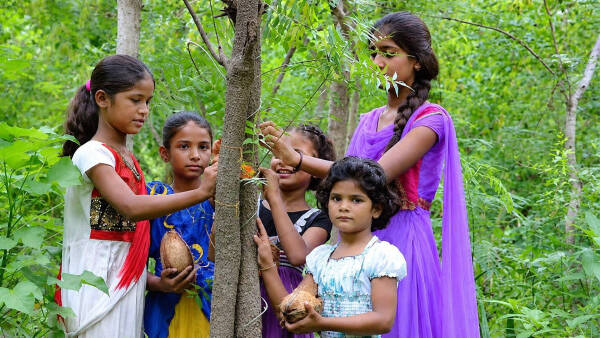
Perhaps the custom of planting 111 trees, which began in the Indian village of Piplantri, originated from a father's grief over the loss of his child, but today it carries a much deeper meaning. This story reminds us that loss can turn into hope, that individual effort can become social solidarity, and that a small step toward environmental change. Planting 111 saplings for each newborn girl is an expression of faith in the future. As the trees grow, the children grow, and as the nature of the village flourishes, a new understanding of the status and value of girls in society develops.