
The Book “Critical Events” Analyzes Women’s Silence in the Face of Contemporary Violence in India
Veena Das’s “Critical Events: An Anthropological Perspective on Contemporary India” examines violence and trauma, deconstructing women’s silence in collective memory versus their courage documenting testimonies after catastrophes.
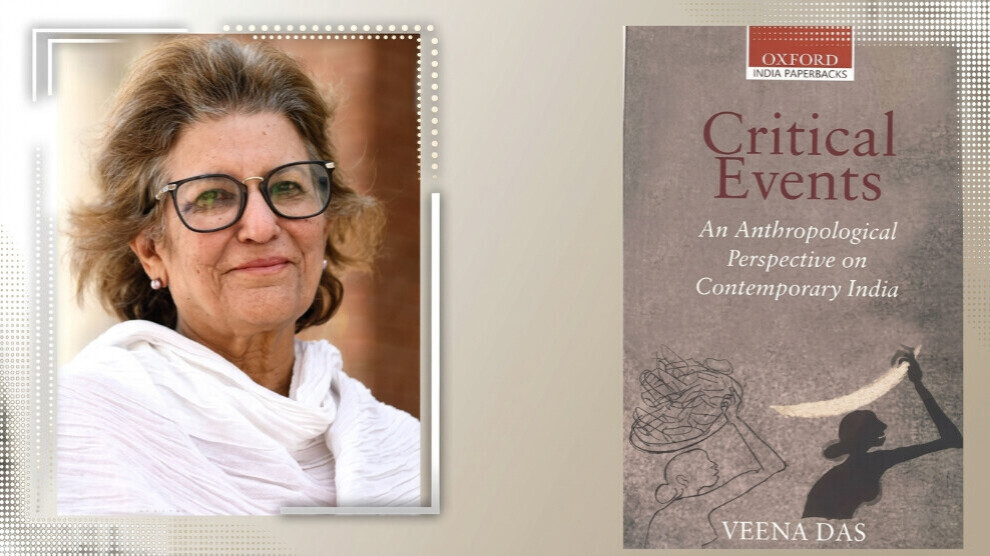
NEWS CENTER_ Anthropologist Veens Das in her book “Critical Events,” presented a set of deep theoretical concepts that revolutionized the anthropology of violence, pain, the state, and the body. She did not content herself with studying violence as an emergency event, but deconstructed it as a structure permeating the details of daily life.
Indian anthropologist Veena Das, in her book "Critical Events: An Anthropological Perspective on Contemporary India," reshapes intellectual debate about the ability of traumatized societies, especially women, to express and write under severe violence. The work also focuses on analyzing collective trauma and violence against women, shedding light on what is known as "critical events."
Veena Das believes that the destructive impact of violence does not stop at physical and bodily torment only, but extends to dismantling the victim's ability to use her language, and confiscating her private spaces of expression, imposing on her a complete linguistic isolation.
In Veena Das's depiction, the pain that follows major social tragedies and masculine state violence reaches a dimension that transcends the limits of traditional language. Isolation, social stigma, and systematic impunity that women suffer after being subjected to violence push victims into a deep silence. However, Veena Das confirms that this silence is not surrender, but is often part of the process of survival and mourning.
In the post-violence world according to Veena Das, the meaning of "the ability to speak" and "the ability to write" is not limited to conveying the past only, but goes beyond it to representing the courage to rebuild fragmented daily life and restore the ability to act. The testimonies that women keep in collective memory reveal truths that patriarchal narratives and official history try to hide.
Veena Das's book, which presents the possibility of breaking the cycle of critical events and making testimony visible, and creating a new language by confronting the effects of violence, still represents a fundamental point in the struggle for women's rights.