
Reyhan Khanum Lorestani… The voice of the Yarsani woman that transcended centurie
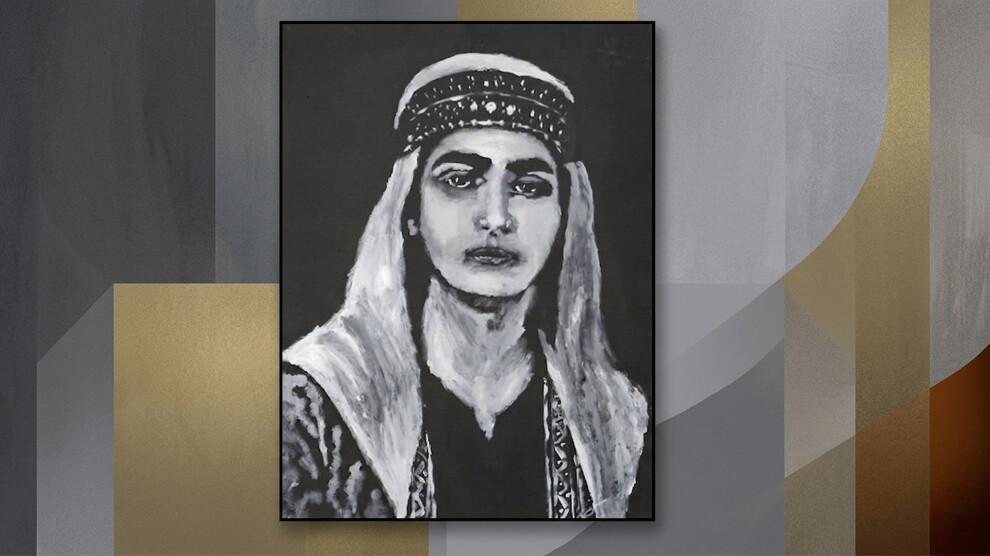
Reyhan Khanum of Lorestan is one of the most prominent female figures in the spiritual and cultural memory of Yarsanism (Ahl-e Haqq). She played a prominent religious and artistic role through poetry and playing the Daf.
News Center — In the land where Zoroastrian philosophy was born, the national spirit remains vibrant. When tracing the history of women in Eastern Kurdistan, it becomes clear that the yearning for freedom first manifested in poetry and literature, which formed the first platform for expressing this deep pursuit.
Before the 19th century, women's names emerged in the fields of art, literature, and poetry. However, the 10th and 11th centuries witnessed a notable presence of women of status and influence within the Ahl-e Haqq (Yarsan) faith, where they played influential spiritual and cultural roles. Traditional sources indicate that these women actively participated in artistic and literary production and contributed to shaping the features of spiritual life within Yarsani society.
Reyhan Khanum of Lorestan is considered one of the central female symbols in the cultural and spiritual imagination of the Yarsani (Ahl-e Haqq) community. According to traditional literature, her historical presence extends back to the 11th century CE in the Lorestan region, where she held a high religious status that reflected the vital role of women in the social and religious structure of this belief.
Reyhan Khanum's creative contribution was manifested in employing poetry and music (playing the Daf) as tools to transmit Yarsani spiritual teachings and values, which contributed to the institutionalization of women's presence within rituals. Her intellectual output has been preserved in memory through traditional artistic forms such as songs (Dengbêj), which ensured the continuity of her legacy across generations and made her a symbolic figure connecting art and theology in Kurdish and Lorestani heritage.
Reyhan Khanum strengthened women's status in traditional society through her poetry and art, becoming an expressive voice for Yarsani women. Her poems were characterized by themes of love, spirituality, piety, and the search for the meaning of life. She was also passionate about playing the Daf, an instrument with deep spiritual presence in Yarsani heritage.
In the cultural memory of Yarsanism, Reyhan Khanum is known as a poet whose work was linked to ancient beliefs. Her poems are recited in spiritual contexts, making her a prominent female symbol in this heritage.
It is said that Reyhan Khanum's famous poem known as "Khoshin" was written about Shah Khoshin, one of the most prominent symbols of the Yarsani religion. Some believe that this poem was inspired by the Sun God in the ancient spiritual heritage.
In the cultural memory of Yarsanism, Reyhan Khanum is a poet whose work was linked to ancient beliefs. Her poems are recited in spiritual contexts that reflect the depth of the religious experience within Yarsani society. Her poem "Shweysin" is considered one of the works that highlight this spiritual dimension and embody her connection to the religious and symbolic heritage.
And some of her poem’s:
- Xweşîn rojhilat çi xweş e ev hest
- Ji ber eşqa te ez bûme sermest
- Gul û şemamok anîn dest bi dest
- Li te bûm şahid ev jî Xwedê xwest
- Ji jorê hatî ji jorê hatî
- Lo siwaro lo ji jorê hatî
- Xweşîn xetabe yan bixetahatî
- Çi şûr kîşandî çi bi kalan hatî
- Ey avamedan ey avamedan
- Şah kon vedabû ber ava Medan
- Ez bûme mêvan li koşka keyan
- Min av zelal dît bawer kir ji can