
Qualitative Shift in Iraqi Women’s Organizations Toward Empowerment, Sustainability 2030
Between 2020 and 2025, Iraqi women’s organizations shifted from general relief to specialized programs in empowerment, media, legislative reform, and partnerships, strengthening sustainability toward the 2030 goals
Raja Hamid Rashid
Iraq — Amid political, economic, and social challenges, women’s organizations in Iraq have emerged as a fundamental pillar in supporting women and enhancing their participation in society. In recent years, the nature of their work has undergone a qualitative shift, transitioning from humanitarian response to legal, economic, and media empowerment. Despite persistent challenges, these organizations have managed to achieve notable accomplishments that shaped the landscape of women’s work in 2025.
A Qualitative Shift in Feminist Work
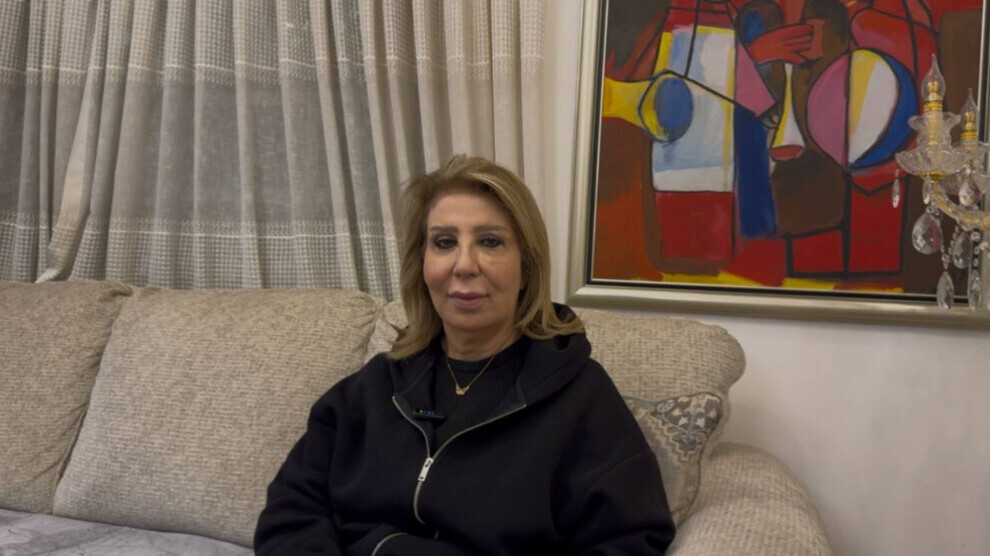
Speaking about the most prominent activities and achievements of non-governmental organizations in supporting women across various fields, Nada Al-Jubouri, President of the Iraqi Women and Future Organization, said that the period between 2020 and 2025 witnessed a qualitative transformation in the nature of work. The organization moved from implementing general activities related to Iraqi women and girls to more specialized programs, including broad participation initiatives, seminars, workshops, and cooperation with key government institutions such as the Baghdad Mayoralty and Baghdad Governorate.
She explained that the work also targeted employed women through cooperation with the National Directorate for Iraqi Women, in addition to international organizations, aiming to legally empower women and raise their level of awareness—an extremely important aspect. “The organization embarked on a new path in its work. Looking back at the past twenty years, which focused on relief efforts and supporting displaced women and those who suffered severe violence during wars and conflicts, we find that the current phase represents a genuine qualitative leap, as it targets employed women within a context of relative security stability,” she noted, adding that the 2020–2025 period marks a launch toward the 2030 phase.
Job Opportunities and Economic Empowerment
Regarding the most prominent political and rights-based gains, such as legislation or policies enacted during this year, and the role of women’s institutions in promoting social and economic justice for women, Nada Al-Jubouri explained that the organization has worked for years on preparing a guide called the “Youth Capacities Guide.” Through this initiative, the organization received CVs from young women and men with limited or recent experience, conducted interviews with them, and—through its relationships with organizations and the private sector—was able to provide job opportunities for some, despite the limited availability of government employment. Some were also employed within the organization itself, where they were trained and qualified.
She added that the organization was previously affiliated with a school that trained many girls and helped them find job opportunities. Communication and information networks also opened new horizons for them and contributed to tangible success stories. She noted that the organization’s website documents models of women who returned to education, including mothers who completed secondary school and then university studies while working simultaneously. The organization also helped women market their food products, contributing to their economic empowerment and ensuring a stable source of income and livelihood.
Media and Women’s Voices
Regarding the impact of women’s institutions on women’s representation in media, civil society, and decision-making positions, Nada Al-Jubouri stated that one of the most significant transformations in the organization’s work has been its focus on media—particularly through social media platforms—via a podcast program launched two years ago. She emphasized that media plays a pivotal role, noting that the organization hosted dozens of women and that the experience revealed their high competence in communicating with society.
She considered this activity extremely important because it gives women the ability to express themselves, their roles, life experiences, and personal stories across various fields, including law, economics, and medicine, with representation from different segments of society. This activity is still ongoing and has clearly contributed to the success of projects over the past two years, achieving wider reach and a renewed vision.
Legal and Psychological Support
She added that the Iraqi Women and Future Organization has long operated a legal and psychological support center for women subjected to various forms of violence—not only physical, but also verbal, occupational, and social. The organization’s doors were open through organizing multiple workshops, alongside implementing training courses for the Ministry of Labor and Social Affairs, focusing on handicrafts, industries, and diverse skills. These initiatives help women acquire positive energy, improve their psychological well-being, and overcome their suffering.
She confirmed that all seminars and training sessions included components aimed at raising awareness of rights and duties, social justice, equal employment opportunities, and participation in elections, thereby enhancing the sense of equality. She stressed that equal employment opportunities between women and men remain one of the most significant challenges.
Reviewing Legislation
Nada Al-Jubouri explained that the organization, as part of the Iraqi Women’s Network, worked on reviewing numerous women-related legislations and strategies and preparing shadow reports, which are considered an important tool in advocacy work. Efforts also included reviewing the Personal Status Law and the amendments introduced to it, with insistence in the coming phase on working toward the enactment of a new law in a fair formulation.
She also pointed to a focus on the Domestic Violence Law, noting that the organization participated in the 16 Days of Activism against Gender-Based Violence campaign and played a significant role in organizing a large conference addressing future advocacy and action pathways. The aim was to urge Parliament to legislate the Domestic Violence Law, which concerns all segments of society—especially women, children, the elderly, and men as well.
Partnerships and Sustainability
Regarding the most prominent future opportunities that can be built upon to strengthen the gains of 2025, Nada Al-Jubouri explained that the most significant challenges lie in the decline of support from international donor agencies. Grants have decreased significantly following the Gaza war and the Russian-Ukrainian war, and some international organizations have even closed their programs globally.
She affirmed that the optimal solution lies in adopting a “mixed economy” model based on partnership between civil society organizations, government entities, and the Iraqi private sector. In this model, the private sector would contribute a portion of taxes or resources to support these organizations, ensuring the sustainability of their work and the achievement of sustainable development goals through 2030.
She added that if there is genuine belief in the role of civil society as parallel to and complementary to government work, real opportunities for sustainability must be created—sustainability that cannot be achieved through volunteer work alone. She stressed the need for the government to provide venues and logistical support to organizations, whether through tax mechanisms or by facilitating activities such as conferences, awareness campaigns, and information dissemination by organizations. She noted that weak support from companies and banks for civil society activities negatively affects their work, despite the fact that this role is fundamental in societies enjoying security stability and contributes to strengthening both security and economic stability.
Absence of Government Support
Regarding the challenges faced by women’s institutions during 2025, Nada Al-Jubouri emphasized that no project can be implemented without a budget. She pointed out that the decline in the number of projects this year is partly due to weak support from some government entities. She also highlighted the difficulty of achieving sustainability amid instability in qualified staff, as the absence of projects pushes skilled professionals to seek other job opportunities.
She expressed regret over the lack of concrete government measures to support organizations, despite the Iraqi Constitution guaranteeing their freedom to operate and supporting them. She stressed that the absence of financial allocations—or even the provision of headquarters and basic tools for managing reputable organizations—hinders their ability to achieve sustainability and to work jointly with governmental and non-governmental institutions.
Nada Al-Jubouri, President of the Iraqi Women and Future Organization, concluded by emphasizing that civil society issues have not received sufficient priority from decision-makers, despite their importance and pivotal role. She stressed that supporting civil society organizations is no less important than supporting other institutions within Iraqi society.