
Moroccan Researcher Highlights the Impact of Social Media on Women’s Lives
Technology and social media have come to have a significant impact on women’s lives, as these platforms have become a way of life for them.
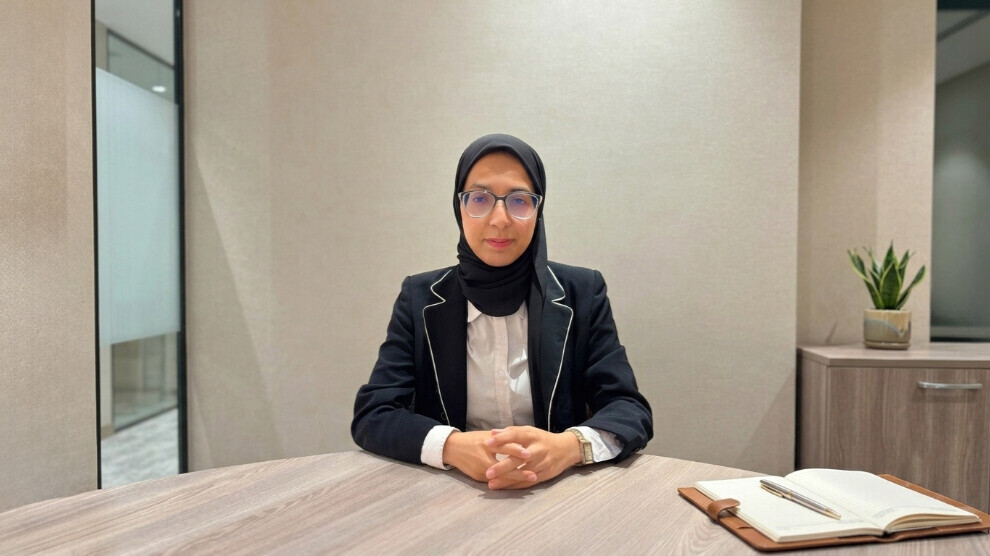
RAJA KHEIRAT
Morocco_ Many women have become notably engaged in virtual life on digital platforms, through which they present their problems, create groups to exchange ideas and experiences, and benefit from one another’s experiences, not hesitating to offer advice and solve problems.
Artificial intelligence has infiltrated women’s Live and become an important part of their daily routines. Despite all the positive aspects it has brought, it has also registered many negatives, such as social distancing among individuals, even among relatives and friends.
Specialized websites have gained significant consultation and are referred to whenever a matter becomes difficult, leaving little room for human advice and experience to intervene. On the other hand, some experts have warned of the rapid development of artificial intelligence and its impact on the nature of work in many sectors, especially since a large proportion of women are concentrated in administrative, clerical,and service jobs, such as data entry, customer service, and secretarial work_roles that could be eliminated by artificial intelligence. Therefore, some observers and interested parties fear that the spread of Al may reduce employment opportunities in certain professions occupied by women.
The Impact of Artificial Intelligence on Women's Work
Researcher in artificial intelligence Sofia El Baz noted that discussing AI means not only talking about a new technology produced by rapid technological development but about a profound transformation that is reshaping the labor market, production patterns, and the nature of jobs across various sectors. This compels us to question the repercussions of these transformations on different professional groups, foremost among them women, who constitute an essential part of the global workforce.
She pointed out that according to International Labour Organization data, approximately 29 percent of jobs held by women are exposed, to varying degrees, to the effects of artificial intelligence, while this percentage does not exceed 19 percent for jobs held by men—a gap that clearly reflects the difference in occupational distribution between genders and the nature of the tasks each performs in the labor market.
She noted that in practical reality, these transformations have already begun to take place within a number of institutions and administrations, with chatbots now handling customer inquiries around the clock, and AI applications capable of processing documents, sorting data, editing texts, and preparing preliminary reports in record time—tasks that previously required long hours of human labor and a larger number of employees.
She explained: "Discussing these developments should not lead us to believe that artificial intelligence will necessarily lead to the disappearance of women's work or their exclusion from the labor market. Historical experiences related to previous technological revolutions have shown that technology does not eliminate work so much as reshape it and change the nature of the skills required within it. Each stage of technological development led to the decline of some traditional professions, while simultaneously opening new horizons with the emergence of professions that did not exist before."
She concluded that the real challenge lies not in artificial intelligence itself but in the digital divide that still separates women and men in a number of technological fields. Statistics indicate that women represent only about 30 percent of workers in AI and advanced technology fields, meaning that employment opportunities in the new jobs created by the digital economy remain unequally distributed.
She emphasized that the primary challenge today lies in investing in the training of women and girls and enabling them to acquire digital and technological skills, which have become an essential condition for integration into the future labor market.
Social Media: A Double-Edged Sword
Regarding the impact of artificial intelligence on women's lives, she said: "Social media has become an essential part of women's daily lives. It is no longer merely a means of acquaintance and communication but has transformed into a digital space for learning, acquiring knowledge, exchanging experiences, and building professional and social relationships. Many women turn to these platforms to obtain information and seek advice in various fields, such as health, family education, education, and self-development."
She added that many specialized groups and pages on Facebook and Instagram have become open forums where women share their experiences with others from around the world.
She concluded that these platforms have enabled many women to access the world of entrepreneurship and digital marketing, with some managing to turn simple ideas into successful projects thanks to the capabilities these platforms provide, promoting their products and services, which has helped enhance women's economic empowerment in a number of societies.
She also warned that the digital space is not safe and should not be overlooked. Women's presence in the digital space is not only linked to the opportunities provided by social platforms but also raises a set of challenges and risks that may affect digital, psychological, and social security, such as cyberbullying, hate speech, digital blackmail, privacy violations, and other practices that have become a growing concern in the contemporary digital environment. However, these challenges are not limited to risks associated with the misuse of digital platforms but also extend to the nature of the content circulated within them and its credibility and impact on recipients.
Sofia El Baz pointed out that among the negative effects that also require attention is that some content creators promote an idealized and exaggerated image of beauty, success, or well-being, leading many women, especially young women, to compare their reality with what they see daily on these platforms. These comparisons often lead to feelings of self-dissatisfaction and psychological pressures that may affect psychological balance and self-confidence. Therefore, the challenge today lies not in using social media itself, but in how to use it consciously and responsibly.