
Attacks on Cemeteries Are a Blatant Violation of Religious Norms and Human Values
Jihadists affiliated with Hayat Tahrir al-Sham continue to carry out sectarian attacks against various components of Syrian society. Cemeteries and religious shrines in the Homs countryside and the Syrian coast have not been spared.
Asmaa Mohammed
Qamishlo — The barbaric violations targeting the sanctity of cemeteries and civilians are not merely breaches of law and religious customs; they pose a serious threat to the essence of coexistence among Syria’s diverse communities and place an urgent responsibility on the international community to provide protection and deterrence.
Jihadists from Hayat Tahrir al-Sham vandalized and destroyed gravestones inside a cemetery belonging to the Shiite sect in the village of al-Hazmiyah in northern rural Homs. This act constitutes a grave violation of the sanctity of the dead and recalls the practices of Turkish occupation mercenaries in the occupied city of Afrin, where martyrs’ shrines were targeted.
Throughout the Syrian war, many cemeteries and religious shrines have been subjected to widespread violations by various warring parties for reasons rooted in religious and ideological motives. These violations included burning, vandalism, and looting their contents, and even went as far as completely erasing cemeteries by bulldozing them and building structures over them.
Attacking Cemeteries Is a Blatant Violation of Customs and Human Values
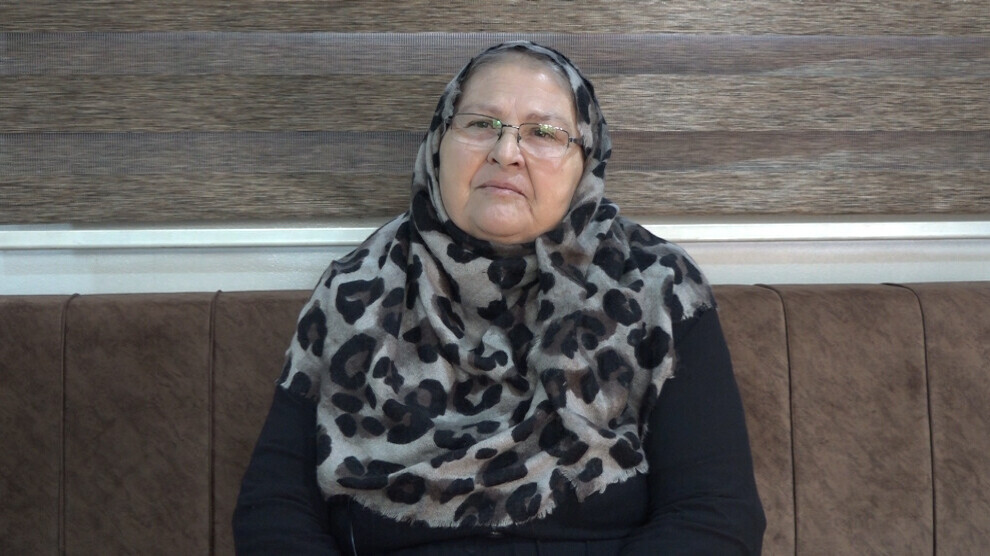
Nafya al-Assaad, a member of the Women’s House in Qamishlo, affirmed that the dead have sanctity. Speaking as the mother of a fighter who battled ISIS during the liberation campaigns in the Autonomous Administration of North and East Syria and was killed in combat, she stressed that those who sacrificed their lives for their homeland deserve respect and remembrance—not attacks on their graves through desecration, excavation, or burning.
She believes that the sectarian violations targeting Shiite civilian cemeteries and shrines are merely an extension of earlier attacks witnessed in Afrin and Manbij at the hands of Turkish occupation mercenaries, who destroyed gravestones and violated the sanctity of the dead. This, she said, constitutes “a blatant violation of religious norms and human values governed by both international and local law.”
She explained that these sectarian acts do not only violate the sanctity of the dead but also carry threatening messages to society as a whole. “They aim to spread chaos, undermine coexistence among different religious components, and instill fear and terror in the hearts of innocent civilians, making these violations an extremely dangerous security and societal issue.”
She added, “We had hoped that the new Syrian government would establish a democratic system capable of protecting all sectarian and societal components. We never imagined reaching a stage where the dead are denied their right to peace and dignity. If the government is unable to protect graves and cemeteries, how will it be able to protect society as a whole?”
She emphasized that official silence regarding these violations exacerbates the suffering of victims’ families—especially mothers who have lost their children—and serves as a clear indicator of the new government’s failure to fulfill its duty to protect the sanctity of cemeteries and religious and historical shrines.
She also addressed the broader violations faced by residents of the Syrian coast, stating that the current sectarian and barbaric attacks on cemeteries and religious components reflect the continuation of oppression and injustice, despite the end of the previous authoritarian and unjust regime. “We expected the new government to take steps toward justice, preserve the people’s gains, and guarantee every sect its right to life and dignity. Yet what we are witnessing today—these savage attacks on cemeteries and sects—shows that the road to protecting rights and society remains long and complex.”
A Threat to Social Security and Stability
She considered these violations “not merely an assault on the sanctity of the dead, but a direct threat to social security and societal stability, aimed at undermining coexistence among different religious components, and reflecting the dangerous level of sectarian practices that threaten society as a whole.” She called on official authorities and the international community to intervene immediately, put an end to these practices, and hold those responsible accountable to ensure the protection of citizens’ rights and the preservation of human and religious values in Syria.
Nafya al-Assaad stressed that protecting cemeteries and historical and religious landmarks is not merely a symbolic duty, but a fundamental element in maintaining social security and stability. “The Syrian people have coexisted for many years, and the current attacks are creating division, sectarianism, and hostility among communities.”
She emphasized that the homeland will not be built through sectarianism, but through the unity of its people. “We, the mothers of martyrs, condemn and denounce these attacks targeting all components and the sanctity of cemeteries. These victims and martyrs sacrificed their lives to build and rebuild this homeland. We do not accept that their blood be wasted. What is happening today—the destruction of Shiite cemeteries or those of any other sect—is unacceptable. We are one hand, and we have all sacrificed our children for this homeland”
In concluding her remarks, Nafya al-Assaad addressed a message saying: “To the mothers of martyrs, we must stand united in the face of this ongoing injustice and aggression. We must protect ourselves, especially if the government is unable to protect us. Preserving the sanctity of cemeteries and historical and religious shrines is an integral part of building justice, strengthening peaceful coexistence, and safeguarding the fundamental rights of all citizens without discrimination based on religion or sectarian affiliation.