
Women-Only Buese in Sana’a Spark Widespread Debate Over Restrictions on Freedoms
Amid criticism that it represnts an extension of previous measures aimed at a restricting women’s movement and limiting their freedoms,Houthi-affiliated authorities in Sana’a have announced a new study to allocate women-only public transportation buses.
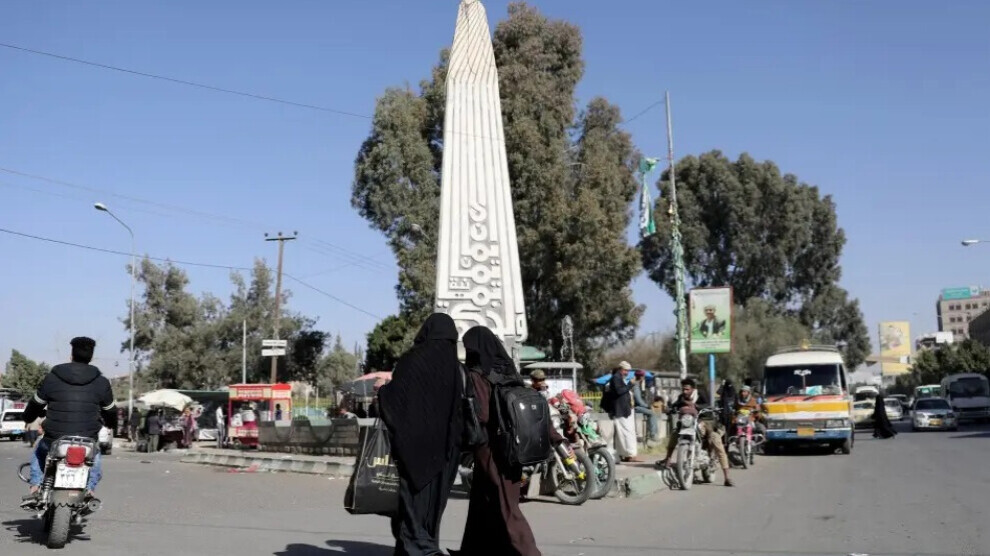
News Center — Women in areas under Houthi control in Yemen are facing severe restrictions on their movement and basic freedoms, as a series of discriminatory measures have curtailed their rights to mobility, work, and education. Human rights reports have documented thousands of systematic violations against women over the past years.
Houthi-affiliated authorities, through what is known as the “Traffic Police” in the Houthi-controlled capital Sana’a, announced the preparation of a new study aimed at allocating women-only public transportation buses, under the pretext of protecting women’s privacy and promoting what they describe as “faith-based identity.”
This move comes as part of a broader set of social measures imposed by the Houthis in areas under their control over recent years, which have included tightening restrictions on women’s movement and intensifying monitoring of their presence in public spaces and educational institutions.
According to a statement issued by the concerned authority, the study will address the number of buses required, their specifications, the identity of the drivers, and the designated routes, with particular focus on roads leading to universities.
The announcement, however, sparked widespread controversy on social media platforms, where activists questioned the feasibility of implementing such a decision.
At the same time, media pages and local platforms circulated satirical models highlighting the potential social complications of enforcing the measure, arguing that it represents nothing more than superficial solutions imposed at the expense of fundamental rights and freedoms.
The decision is seen as an extension of previous measures taken by the Houthis, including banning mixed-gender graduation ceremonies, enforcing gender segregation in universities, and organizing the educational process on separate days for male and female students. Observers believe these policies reflect an attempt to impose extremist religious norms on Yemeni society—particularly regarding the role of women—under ideological justifications, within a social environment already described as conservative.