
UN Warning: Gaza's Children and Women Face Acute Malnutrition
The World Health Organization (WHO) has warned of the worsening humanitarian crisis in the Gaza Strip, confirming that more than 100,000 children are at risk of acute malnutrition by next April.
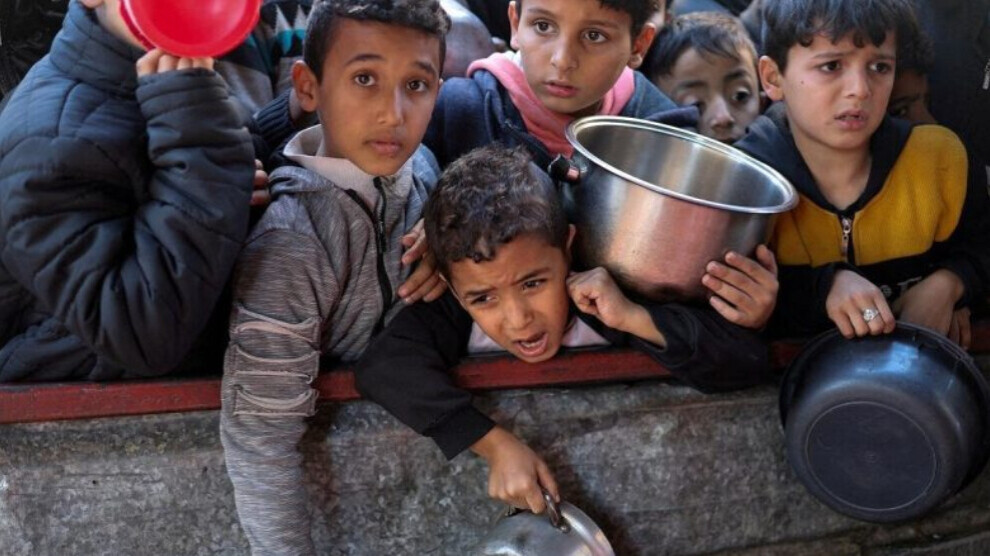
News Center – Children in Gaza are suffering from a worsening malnutrition crisis as a result of the blockade and shortage of basic supplies, threatening their healthy development and future, and placing the lives of thousands of children in jeopardy. This situation demands urgent intervention from the international community.
On Friday, December 26th, the World Health Organization (WHO) issued a warning regarding the escalating humanitarian crisis in the Gaza Strip, confirming that over 100,000 children are at risk of acute malnutrition by next April if conditions continue to deteriorate.
The WHO Director-General clarified that field health teams also anticipate approximately 37,000 pregnant and breastfeeding women could suffer from acute malnutrition by April 2026. This is due to the severe shortage of food and medical supplies, coupled with the immense difficulties in delivering aid to affected areas.
The organization noted that more than 1.6 million people in Gaza are experiencing high levels of food insecurity, and the health and nutritional infrastructure is on the verge of collapse. It called for the acceleration of humanitarian aid entry and the sustainable provision of fuel and medical supplies.
The Integrated Food Security Phase Classification (IPC), a UN-partnered international framework, revealed that the food security situation in Gaza has seen some improvement compared to the previous analysis, which indicated famine. However, most of the population over the past two months still suffers from high levels of acute food insecurity.
The classification drew attention to the increase in humanitarian aid, including food, since the ceasefire on October 10th, which has partially alleviated the crisis. However, this aid remains limited to meeting the bare minimum necessities for survival.
It explained that infrastructure and essential services—such as healthcare, water treatment, and sanitation—remain insufficient to support the entire population. Furthermore, many people are still living in temporary shelters, leaving them vulnerable to harsh winter conditions.
The IPC assessment had confirmed in August of last year that famine had occurred in Gaza City and projected its spread to the cities of Deir al-Balah and Khan Yunis by the end of September.