
UN Reveals Widening Equality Gap for Women of African Descent
On the International Day for Women and Girls of African Descent, the UN highlighted ongoing challenges facing this group, paritcularly in healthcare, warning of poverty, discrimination, and institutional racism’s impact on their lives and equality.
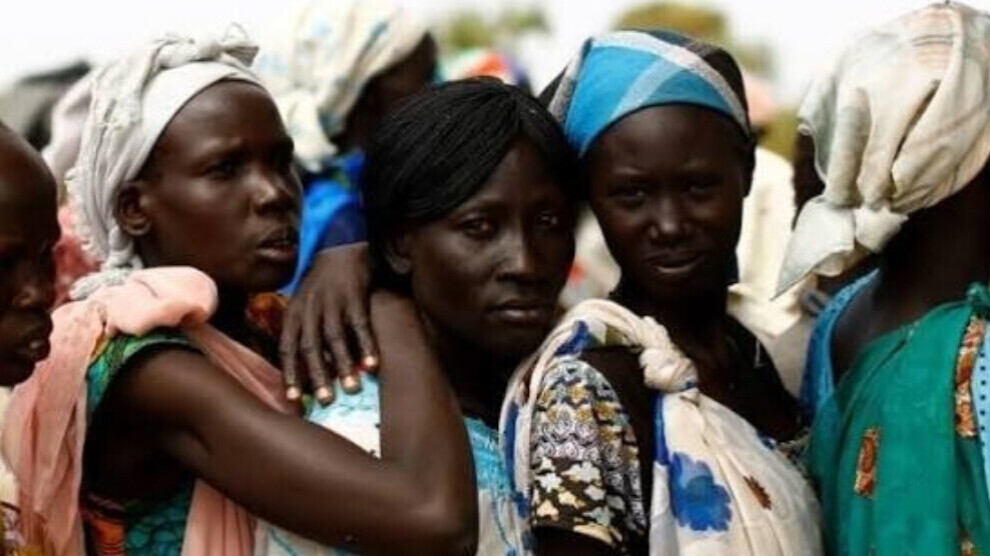
News Center— Women and girls of African descent face intersecting challenges resulting from persistent, overlapping forms of discrimination.
The Office of the United Nations High Commissioner for Human Rights, in a statement issued to mark the International Day for Women and Girls of African Descent, affirmed that this group continues to face intersecting challenges resulting from overlapping forms of discrimination, particularly racism and gender-based discrimination, which affects their access to healthcare, education, employment, and decision-making positions.
The International Day for Women and Girls of African Descent is observed on July 25 each year, after being officially adopted by the UN General Assembly in 2024.
The date is linked to a historic meeting held on July 25, 1992, in Santo Domingo, the capital of the Dominican Republic, with the participation of around 300 women of African descent representing 32 countries. The meeting resulted in the establishment of a regional network bringing together activists and women from Latin America, the Caribbean, and the African diaspora, aimed at confronting discrimination and advancing the rights of these communities.
In this year's statement, the UN placed particular emphasis on the challenges facing women and girls of African descent in the health sector, noting that discrimination, poverty, educational and professional gaps, along with manifestations of racism within health systems, contribute to worsening their health conditions.
The statement explained that these factors can lead to delayed diagnosis of illnesses, inadequate treatment, mistreatment during childbirth, and barriers limiting access to sexual and reproductive health services that meet their needs.
The UN based its assessment on a joint study prepared by several of its agencies and partners, including the UN Population Fund, UNICEF, UN Women, the Pan American Health Organization, and the Economic Commission for Latin America and the Caribbean, titled "Analysis of Maternal Health Among Women and Girls of African Descent in the Americas."
The study revealed significant disparities faced by women of African descent across different stages of motherhood, from the pre-pregnancy period through childbirth to the postpartum period. According to the report's data, the risk of death for women of African descent in the United States due to pregnancy-related or postpartum complications is nearly three times higher than for other women. The study also recorded a widening of this health gap in Suriname, where the rate reached about 2.5 times, and in Colombia, about 1.6 times.
The study noted that improved education levels or higher income alone are not enough to eliminate these disparities, pointing to broader institutional and social factors, including entrenched patterns of discrimination within certain sectors and public services.
The UN also stressed that ignoring complaints from women of African descent about pain or health symptoms, failing to account for their cultural specificities during medical care, and instances of mistreatment during childbirth are among the factors contributing to preventable deaths.
The Office of the UN High Commissioner for Human Rights called on governments and relevant institutions to move beyond symbolic gestures toward implementing practical, concrete measures — including improving access to education, healthcare, and employment opportunities, and strengthening the participation of women of African descent in political representation and decision-making positions — to ensure greater justice and equality.