
Report: Global Poverty index Rises for the First Time in 15 Years
In an unprecedented "wake-up call," the UNDP annual report revealed a 51.5 million jump in poor global people, marking the Multidimensional Poverty Index's first historic rise since 2010.
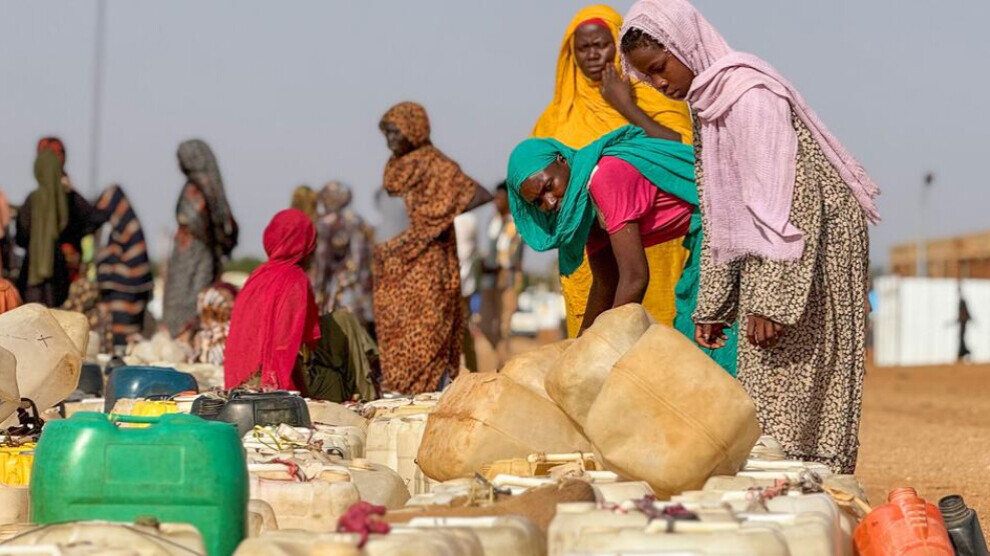
NEWS CENTER_Global poverty rates are escalating rapidly as a result of the intertwining of contemporary crises; armed conflicts and harsh climate changes are destroying livelihoods, which threatens the development of developmental progress and pushes millions toward extreme poverty.
The United Nations Development Programme (UNDP) announced the first historic rise of the Global Multidimensional Poverty Index since its launch in 2010, with the number of poor people jumping by 51.5 million to reach a global total of about 1.2 billion people, according to the annual report issued by the Development Programme yesterday, Monday, 12 October.
The Director of the United Nations Development Programme described this notable regression as "a wake-up call for the entire world," confirming that behind these massive numbers lie millions of people facing intertwined and worsening life difficulties, most notably severe hunger, systematic deprivation of education, and the acute lack of opportunities to access clean water and electricity.
The UN official stressed the unacceptability of this situation, noting that children constitute more than half of those living in extreme poverty around the world. The Programme also explained that the largest share of this rise is due to the combined effects of demographic transformations, changes in coverage scope, alongside population growth, which alone caused an increase of 15.4 million people.
On the other hand, the report noted that 33 countries out of 89 countries with available data succeeded in reducing the index value by half within less than 15 years, including six countries in the Sub-Saharan Africa region.
The results of 13 countries whose data were updated also revealed a notable disparity, as Egypt, Nepal, and Tajikistan recorded a significant decline in poverty rates and numbers, while Angola and Zambia witnessed an increase in the total number of poor people because population growth outpaced the pace of poverty reduction.
It is worth noting that this index is a global measure that goes beyond the income criterion to monitor poverty in daily life, through 10 indicators distributed equally across three sectors: health, education, and living standards; an individual is classified as poor if deprived of a third or more of these indicators. The current 2026 version covers 108 developing countries whose populations represent 78% of the total world population.