
Tunisia… Floods Claim the Lives of Four People, Including Two Women
Unprecedented floods in Tunisia killed four people, including two women in Monastir, prompting authorities to raise alerts, suspend classes in 11 governorates, paralyze transport, and continue rescue and evacuation efforts.
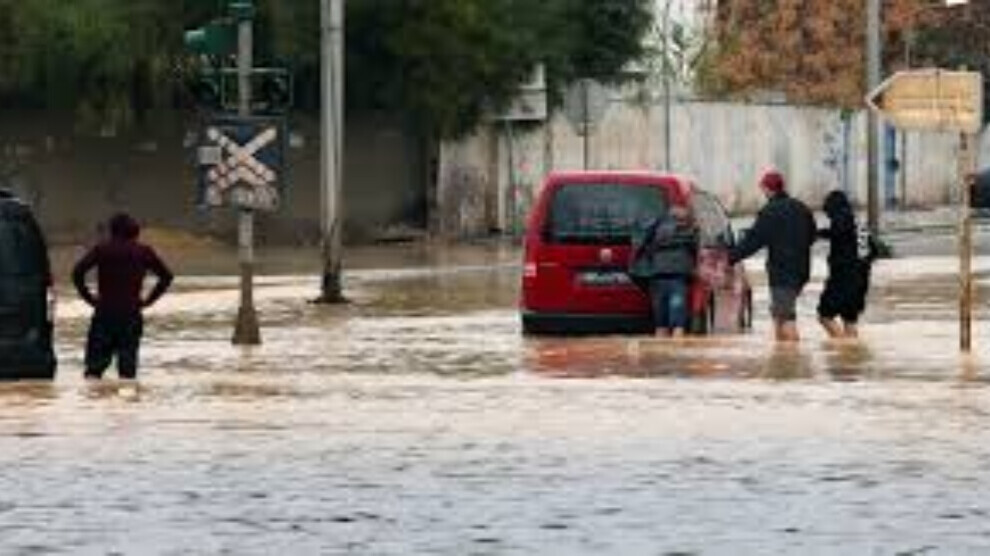
News Center — Heavy rainfall over the past two days has brought transportation in the Tunisian capital, Tunis, to a standstill, with metro services, trains, and buses suspended. Schools have also been closed in 11 governorates, and dozens of residents have been evacuated from homes flooded by rising waters, amid warnings of continued unstable weather conditions.
Tunisia has been experiencing an unprecedented wave of heavy rainfall for two days, leading to widespread flooding in several governorates. According to the latest official toll, four people have died, including two women in the Monastir governorate. The severity of the situation prompted authorities to raise the alert level to its maximum, suspend classes in 11 out of the country’s 24 governorates, and halt transportation in the capital, where metro services, trains, and buses were stopped due to high water levels.
Civil protection teams continue rescue and evacuation operations, having saved citizens trapped inside their vehicles by floodwaters and evacuated dozens of residents from inundated homes. A temporary closure of several embassies and diplomatic missions was also announced due to the weather disruptions.
Meteorological services have warned that heavy rainfall is expected to continue, with exceptional amounts exceeding 200 millimeters recorded in some areas, including Greater Tunis, Cap Bon, and the Sahel region. The city of Sfax alone recorded more than 80 millimeters of rain in just two hours.
Experts have cautioned that soil saturation means any additional rainfall, even if limited, could trigger new floods, warning of a potential repeat of a catastrophic scenario similar to that of 2018.
In light of these developments, urgent official statements have been issued urging citizens to exercise caution and avoid risky behavior, particularly crossing wadis, while authorities continue to monitor the situation on the ground through civil protection teams and regional committees.