
The Syrian Coast Massacres… Open Wounds and a Bloody Memory for Minorities
Women in Sweida said the March 2025 Syrian coast events marked a dangerous rise in sectarian violence, stressing the urgent need to protect communities and guarantee minority rights.
Roshel Junior
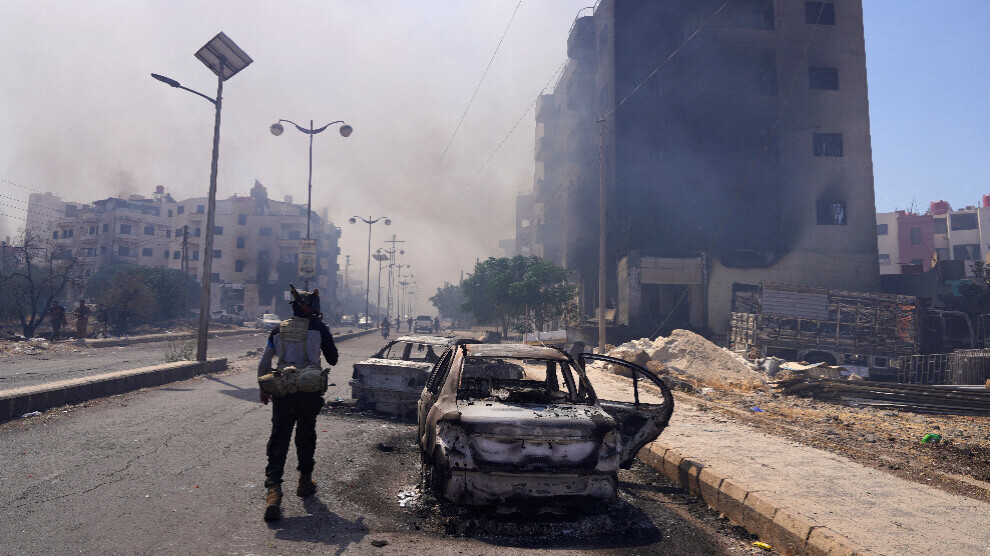
As-Sweida – The month of March represents a painful moment in the memory of the Alawite community in Syria, as members of the sect recall the bloody events they experienced after the jihadists of Hay’at Tahrir al-Sham took control of large areas of the country.
With the first anniversary of the massacres against the Alawite community approaching, a series of violations targeting Syrian minorities has once again come to the forefront, during what has been described as one of the bloodiest periods since the outbreak of the conflict.
After Hay’at Tahrir al-Sham’s jihadists assumed control of power, several areas quickly turned into open arenas of violence. The Alawites were among the first to be directly targeted, with many killed under the pretext of being “remnants of the regime,” according to testimonies from members of the community. Over time, the violence did not remain limited to the Alawites but extended to include Christians and Druze in areas such as Ashrafiyat Sahnaya, later reaching the Druze in Sweida, and eventually attacks targeting the Kurds in North and East Syria.
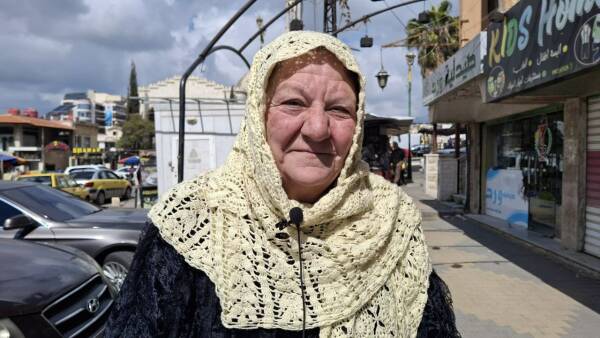
Amal Ghanem said that what happened was not merely isolated incidents but “a prolonged period of unprecedented sectarian violence,” noting that the targeting began with the Alawites and gradually expanded to include Druze, Christians, and Kurds.
“After Hay’at Tahrir al-Sham took power in Syria, the country turned into a field of bloodshed. Many Alawites were killed under the pretext that they were remnants of the regime,” she said.
She added that minorities’ demands for constitutional amendments guaranteeing their rights were met with violence instead of dialogue.
“At first, we demanded amendments to the constitution as citizens of this country, but the response was killing, marking the beginning of a wave of sectarian violence,” she explained.

For her part, Rabia Al-Matni stressed that the Syrian coast continues to witness repeated security breaches, and that violations have not stopped since the early stages of the conflict.
“We thought what was happening would be a short period that would soon end, but the violence continued and worsened. Rape, killing, and fear have become part of our daily lives,” she said, adding that what is happening on the coast has also spread to Sweida, where daily violations and casualties are being recorded.
She pointed out that the situation has become unbearable for residents, as families live under constant threat, while schools are unable to perform their role due to the security chaos.
“They want to destroy the new generation. We no longer have schools or security. We minorities are standing together because we can no longer endure what we are living through,” she added.
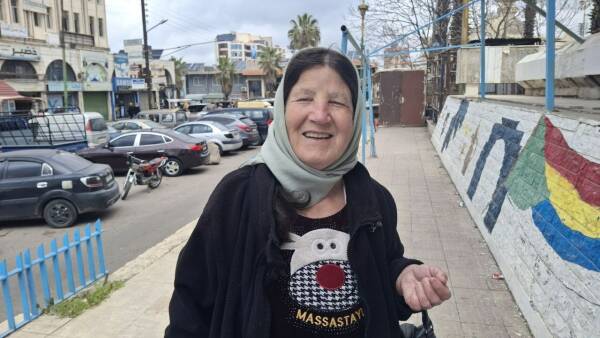
Meanwhile, Somaya Al-Youssef, from the village of Smeeh, said that the massacres on the Syrian coast targeting the Alawite community left a deep impact on residents, noting that the sect lost a large number of its members, with the death toll exceeding 1,400 people.
She stressed that these bloody events reaffirm the necessity of unity among minorities in confronting attacks targeting their existence and called for strengthening solidarity among all communities.
“This date is engraved in our memory, and we refuse to be reduced to the word ‘minority.’ We, the Alawites, Druze, and Christians, are an integral part of Syria and of its history that spans hundreds of years,” she said.
“We have lived together in harmony and did not witness conflicts among ourselves, but what happened recently requires us to stand united against the terrorism that targets us all.”