
The Return of the ISIS File to the Forefront… Security and Social Challenges in Iraq
The negative and dangerous effects of the terrorist ISIS regaining its activity will be reflected in Iraq, and women will bear the greatest burden of this return.
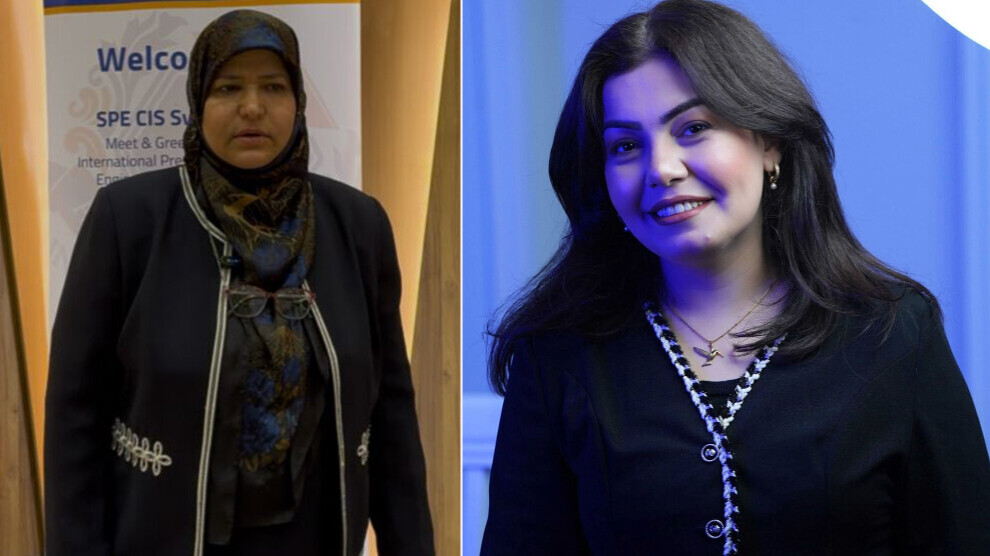
RAJA HAMID RASHID
Iraq-Amid growing fears of a resurgence of ISIS terrorist activity in the region, debate has once again intensified in Iraq over the repercussions of receiving individuals convicted of terrorism from Syrian prisons, and how this will affect the security and political situation, as well as its social impact—particularly on the conditions of women.
Between official assurances of the strength of Iraq’s security institutions and their ability to control the borders and manage the file, and warnings of potential repercussions on internal stability and government formation, this issue stands out as one of the most sensitive and complex at the current stage, given its intertwined security, political, and humanitarian dimensions.
No Return for ISIS
Regarding the return of ISIS terrorist activity in Syria, women’s rights activist Dr. Bushra Al-Zuwaini stated that the Iraq of 2026 is completely different from the Iraq of 2014, noting that the process of liberating the country from the terrorist organization took three years.
Concerning the circulating reports about Iraq receiving seven thousand ISIS members, Al-Zuwaini explained that she relies on official sources for her information and does not pay attention to what is published on social media, as most of it is ideologically driven media.
She pointed out that the circulated figures speak of transferring seven thousand members to Iraqi prisons. According to official sources, between 2,500 and 3,000 of them are Iraqis who will be subjected to trials within a period ranging from six months to a year to receive their punishment.
She added that there are about three thousand foreign members from different countries, and the Iraqi Ministry of Foreign Affairs is supposed to coordinate with their countries to repatriate them, because Iraq cannot bear the security, financial, and moral consequences of this number, especially in light of popular resentment over the presence of non-Iraqi elements.
As she explained, the main concern focuses on those who were released from Syrian prisons, a matter that is “extremely dangerous.” Recently, a gang coming from inside Syria that was preparing to smuggle large quantities of drugs into Iraq was arrested. She noted that this indicates attempts at infiltration, despite official confirmation that the Iraqi borders are fortified and secure.
Risks to Women
Al-Zuwaini clarified that the dangers of ISIS to women still exist, especially after the escape of some of its members from Syrian prisons:
“The crimes committed against Arab, Kurdish, and Yazidi women in Iraq—particularly during the fall of Mosul, which was accompanied by bloodshed and violations of land and honor—cannot be forgotten. The repetition of such crimes against Kurdish women has reopened wounds and revived fears once again.”
She added that the scenes of one of the terrorists boasting about cutting a Kurdish woman’s braid, before later claiming it was a joke, reveal the nature of this organization, which committed far worse acts. She affirmed her solidarity with Kurdish women in Syria and Iraq and with all women—whether Kurdish, Turkmen, or Yazidi—stressing that the unifying national identity, Iraqi or Syrian, takes precedence over all other affiliations, and expressing her fear that escaped members may continue their terror.
Serious Repercussions for Women and Stability
From Kirkuk, writer and journalist Nada Sultan confirmed that the return of those convicted of terrorism from ISIS to Iraqi prisons cannot be underestimated. The circulated numbers indicate no fewer than seven thousand individuals convicted in terrorism cases.
“This file has a direct impact on Iraq, especially in light of the clear political deadlock the country is witnessing, with parties within the Coordination Framework and the election-winning forces seeking to form a government before the constitutional deadline.”
She added that the seriousness of this issue may negatively affect the government formation process due to the preoccupation of political forces and security agencies with following this complex and dangerous file, which directly touches the political process. Its repercussions, she stressed, could significantly and negatively affect the formation of the government and the general situation in the country.
Regarding its impact on the life of Iraqi women, she explained that women may be the most affected by any accumulations or potential security instability that may accompany the return of this issue to the Iraqi interior and the return of the convicted to prisons—especially in terms of threats that may affect their personal security and restrict their movement, after years of work to provide a relatively safe environment for women’s participation in various fields.
“Iraqi women will certainly be affected by any security deterioration linked to this file”
Nada Sultan also pointed out that the impact extends directly to the lives of Kurdish women who are suffering difficult conditions in Syria, amid harsh and painful scenes that violate women’s dignity—not only in Syria but in its regional surroundings as well. She called on the relevant authorities to take the necessary measures to protect women, both in Syria and Iraq, stressing that the danger has become close and requires a serious and responsible response.