
The Kurds and Their Partnership in the Equation of a “New Syria”
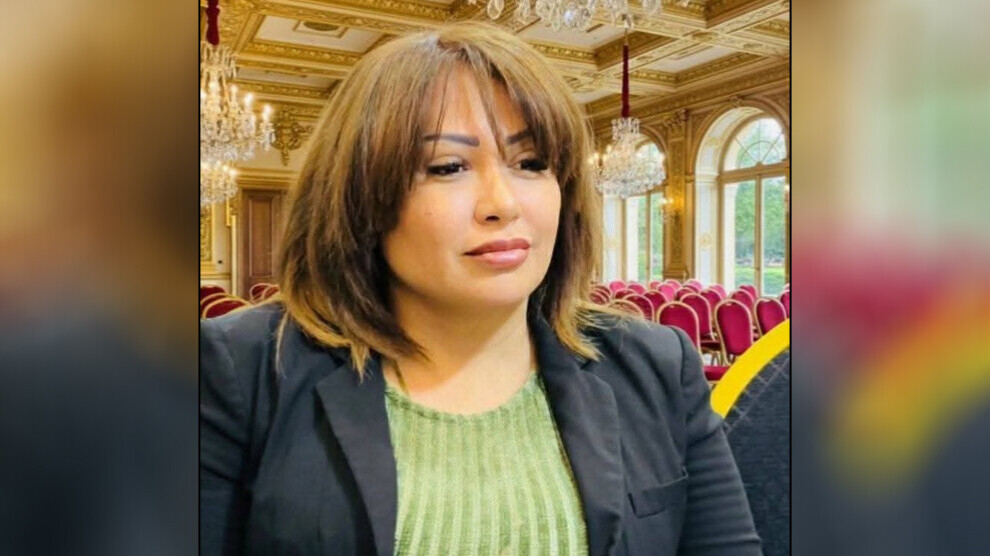
By Yemeni journalist Majida Talib
In a geography saturated with fractured maps, shifting loyalties, and absolute betrayals, the Kurds in northern and eastern Syria chose to fight their battle differently—by embracing the other and opening wide spaces for partnership. They did not limit themselves to bearing arms in defense of their land; they carried an entire idea about the shape of authority and society, betting that partnership could be stronger than the gun. This is how the self-administration project was born amid the vacuum left by the war, gradually transforming from a temporary measure into a coherent political experiment.
Since 2012, the Kurds began organizing local administrations based on decentralization and community councils. They did not declare a traditional secession, but proposed a model for a different Syria, governed from the grassroots upwards.
The project was not a closed Kurdish endeavor; it involved the region’s components—Arabs, Syriacs, and others. At the heart of this model, women emerged not as a symbolic front but as a legal cornerstone. The co-presidency system mandated the presence of both a man and a woman in every leadership position, while the Women’s Protection Units formed an independent military force that fought ISIS and contributed to pivotal battles that changed the course of the war.
The Kurds also became a military partner of the international coalition against terrorism. This coalition was first and foremost one of interests, but it provided the experience with a window of international recognition.
The Kurdish voice was no longer confined to geography; it became a significant factor in the calculations of major capitals.
The most important transformation was not territorial expansion but how withdrawal was managed. When their forces withdrew from Raqqa and other areas under military and security understandings, it happened without internal clashes or bloody collapse. The withdrawal did not descend into chaos; the organizational structure remained intact. Forces stayed cohesive, redeployed, and reintegrated their units into a stronger structure.
However, this very resilience sparked new tensions. Subsequent attacks on their areas were inseparable from the fact that they remained present on the ground and did not vanish from the scene. Maintaining a firm presence while organizing ranks instead of fragmenting made them a target for political and military pressure. Being an organized force that reintegrated its fighters into a unified structure and continued managing its institutions meant they represented a governance project capable of sustainability.
With the announcement in early 2026 of an agreement between the Interim Syrian Government and the Syrian Democratic Forces, the experience entered a decisive turning point. The agreement included the integration of self-administration institutions into the Syrian state structure in exchange for guarantees regarding cultural and linguistic rights and the acceptance of decentralization principles—effectively creating a special autonomous region for some. For some, this was a necessary compromise; for others, a test of whether the project could maintain its spirit within a centralized state framework.
What has happened over the past years proves that the Kurds did not rely solely on external alliances but on a cohesive internal structure, a cause, and a historical approach. They reorganized their forces, reintegrated fighters, maintained women’s presence in political and military decision-making, and did not vanish after withdrawal. Under pressure, they did not retreat but proved themselves a participating force with a project and identity.
In an East crowded with regional calculations, the Kurdish experience emerges as a rare case of a force that endured, withdrew when necessary without collapsing, and remained cohesive when many thought it would fade. This organized resilience, with both female and male faces, made them a party that cannot be ignored in any future Syrian equation.