
The Killing of thousands and grave violations against children in El Fasher
The Sudanese Doctors’ Syndicate reported that nearly 25,000 children were killed after fighting erupted between the army and Rapid Support Forces in North Darfur, and that dozens of minors fleeing El Fasher were also raped.
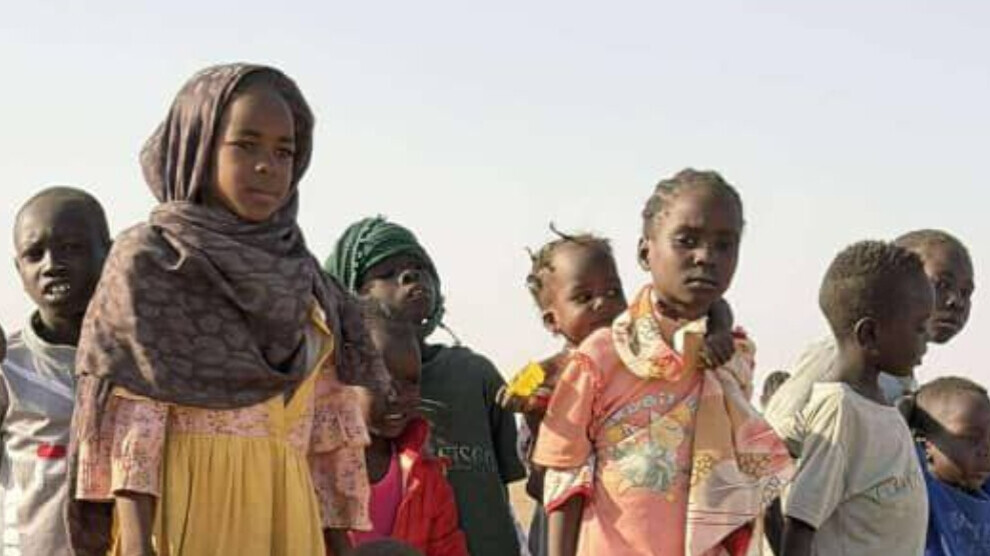
Sudan — The ongoing conflict in Sudan continues to cast a shadow over children, who have become among the most vulnerable in the conflict zones. The fighting has killed and injured thousands of children, while others suffer from malnutrition and psychological trauma due to mass displacement and the loss of family members.
On Tuesday, December 2, the Preliminary Committee of the Sudanese Doctors’ Syndicate revealed that 25,000 children have been killed and 45 minors subjected to rape while fleeing El Fasher in North Darfur since the outbreak of the conflict between the Sudanese army and Rapid Support Forces.
The committee confirmed that the number of children killed, from newborns to 16-year-olds, has reached 25,000 since the beginning of the conflict. Additionally, 566 children suffered severe injuries, all of whom received treatment in Toleita through Médecins Sans Frontières.
The committee also reported that 800 children separated from their families in El Fasher have arrived in Toleita, some suffering from malnutrition and psychological trauma caused by the conflict and its scenes. They urged the Sudanese army and Rapid Support Forces to open safe corridors for humanitarian aid to reach Darfur, highlighting the suffering of children in camps from hunger and disease.
The committee renewed its call for the international community to assist the Sudanese people in stopping the conflict, enforcing a ceasefire, and establishing peace to save civilian lives.
After the Rapid Support Forces took control of El Fasher in western Sudan in October, serious violations were documented in the city, including mass killings, sexual violence, detention, and trafficking of women. At least 106,000 people were displaced from a population of 260,000, and their fate remains unknown due to the attackers cutting communication networks and growing evidence of mass killings.